



What's Happening?
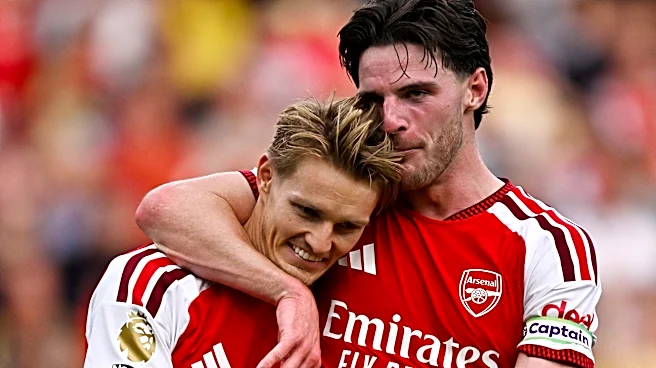
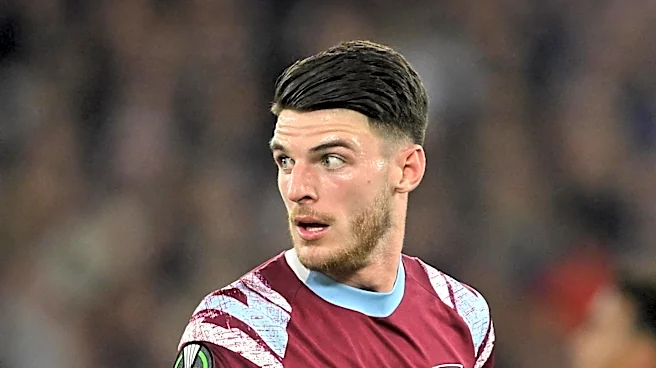
Arsenal and England midfielder Declan Rice is reportedly on the verge of concluding his seven-year commercial partnership with Adidas. Speculation has intensified due to recent sightings of Rice trying on football boots from various brands, including
Nike and unbranded models, during training sessions. While he has continued to wear Adidas boots in official matches, likely due to existing contractual obligations, his actions in training suggest he is actively evaluating new sponsorship opportunities. The exact reasons for this potential split remain confidential, as is typical with such agreements. However, industry experts note that the use of unbranded or logo-covered boots often signals an impending contract termination or a player exploring new deals. Rice was notably absent from some of Adidas's recent major campaigns, including their World Cup promotional film and Euro 2024 campaigns, where other prominent players like Lionel Messi and Jude Bellingham took central roles. This suggests a potential shift in Adidas's marketing focus or Rice's desire for a more prominent role with a new brand.
Why It's Important?
This potential shift in Declan Rice's boot sponsorship holds significant implications for the sports endorsement market and player branding. For Rice, securing a new deal could elevate his global profile, potentially offering him a more central role in international marketing campaigns compared to his current standing with Adidas, where he is not considered a top-tier face. This move could also lead to a more lucrative financial agreement, as major boot deals can constitute a substantial portion of a footballer's income, sometimes reaching 10 to 15 percent of their club salary. For sports brands, attracting a high-profile player like Rice, who is a key figure for both Arsenal and the England national team, represents a valuable marketing asset. Brands like Nike, Under Armour, New Balance, and Puma are actively seeking to sign prominent athletes, often offering more personalized marketing strategies and greater control over product design to entice them away from established giants like Adidas. This trend reflects a broader shift in athlete endorsements, where players are increasingly seeking partners who will invest more in their personal brand and offer them a more influential role in product development and promotion.
What's Next?
Declan Rice is expected to continue evaluating offers from various sports brands, with Nike and Under Armour appearing to be strong contenders. His continued use of different boots in training, while adhering to current contractual obligations in official matches, indicates that negotiations for his next commercial deal are likely ongoing. A final decision on his new boot supplier is anticipated in the near future. This situation could prompt Adidas to re-evaluate its strategy for retaining top-tier talent, especially if other high-profile players follow suit in seeking more prominent roles or better financial terms elsewhere. The outcome of Rice's decision could also influence other athletes who are considering similar moves, potentially leading to a more competitive landscape in the sports endorsement market. It remains a possibility that Rice could renew his contract with Adidas if they offer improved terms or a more central marketing role, as other players have done in the past after exploring alternatives.
Beyond the Headlines
The evolving nature of Declan Rice's boot sponsorship highlights a deeper trend in the commercialization of sports, where individual athletes are gaining more leverage in their endorsement deals. This shift is driven by several factors, including the increasing power of social media for personal branding, players' desire for greater control over their image, and the competitive landscape among sports apparel companies. The move away from a long-standing partnership, even for a globally recognized player, underscores that financial incentives and marketing prominence are critical considerations. This trend also reflects a strategic adjustment by brands, with some, like Nike post-COVID-19, opting to consolidate their marketing efforts around a smaller number of 'superstar' athletes. Consequently, players who may not be the absolute top-tier faces for a dominant brand might seek opportunities with competitors who can offer them a more central and influential role, thereby maximizing their personal brand value and financial returns. This dynamic creates a more fluid and competitive market for athlete endorsements, pushing brands to offer more tailored and attractive packages.