







What's Happening?
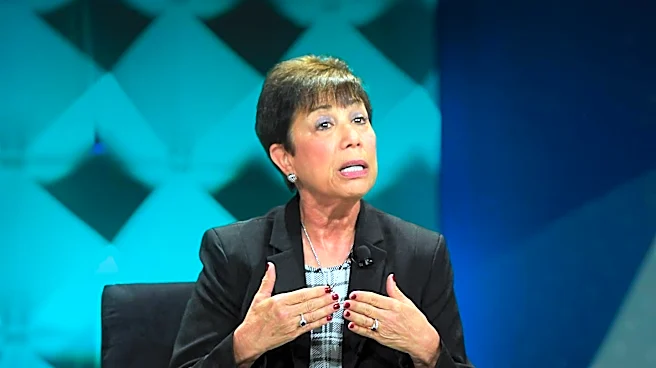
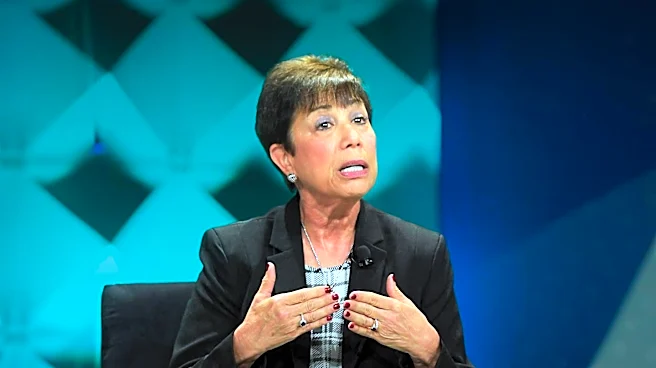
At the ISTELive 26 conference, educational leaders discussed the integration of artificial intelligence (AI) and Universal Design for Learning (UDL) in K-12 classrooms. Tara Nattrass, chief innovation strategist for education at Lenovo, emphasized the importance
of hybrid AI in enhancing accessibility tools for students. The conference sessions focused on how AI can support inclusive learning environments by ensuring seamless access to educational tools across different devices. Christine Fox from CAST highlighted how AI advancements can extend UDL principles, aiming to create an improved learning experience for all students, not just those with Individualized Education Programs (IEPs).
Why It's Important?
The integration of AI and UDL in education is crucial for creating inclusive learning environments that cater to diverse student needs. By leveraging AI, schools can provide personalized learning experiences and ensure that accessibility tools are readily available to all students. This approach not only supports students with disabilities but also enhances the overall educational experience by promoting equity and inclusivity. As schools increasingly adopt digital tools, understanding how to effectively implement AI and UDL is essential for educators and administrators.
What's Next?
As districts continue to explore AI and UDL integration, there will be a focus on addressing data privacy concerns and ensuring that educational tools are compliant with accessibility standards. Schools may need to invest in professional development for educators to effectively use these technologies. Additionally, ongoing collaboration between technology providers and educational institutions will be necessary to refine and expand the use of AI in classrooms.