







What's Happening?
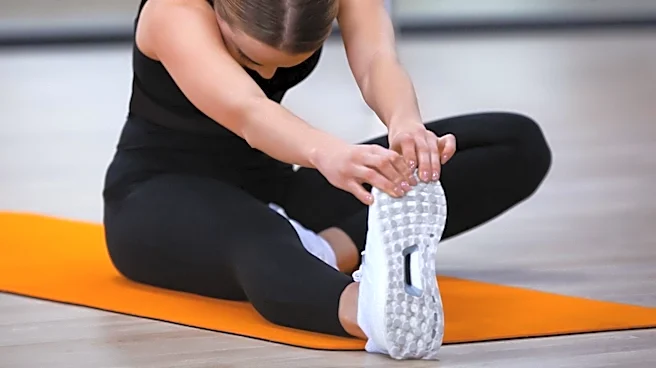
A 10-minute morning mobility workout is being promoted as an accessible way for busy adults to incorporate movement into their daily routine without requiring equipment or extensive time. This routine focuses on gentle, beginner-friendly movements designed
to improve flexibility and reduce stiffness. The exercises target various body parts including shoulders, upper back, spine, hips, knees, ankles, and legs. Unlike static stretching, mobility training emphasizes controlled movement through a range of motion, such as rotating the upper body or moving hips through a comfortable range. The goal is to promote consistent practice and comfortable movement rather than forcing flexibility. This approach is particularly beneficial for individuals who spend significant time sitting, such as office workers or remote employees, helping to break sedentary habits and prepare the body for the day ahead.
Why It's Important?
The emphasis on short, accessible mobility routines addresses a significant challenge for many U.S. adults: integrating physical activity into demanding schedules. With a growing number of individuals working desk jobs or spending long hours in sedentary positions, stiffness and reduced range of motion are common issues. This type of routine offers a practical solution to combat these effects, potentially leading to improved physical well-being and reduced discomfort. By promoting consistent, gentle movement, it can help prevent the long-term health consequences associated with prolonged inactivity. Furthermore, the no-equipment, beginner-friendly nature lowers the barrier to entry, making it easier for a wider demographic to adopt a healthier lifestyle without the need for gym memberships or specialized gear. This could have a positive impact on public health by encouraging more people to engage in daily physical activity.
What's Next?
Individuals can easily integrate these 10-minute mobility routines into their daily lives, adjusting the intensity and duration based on their personal needs and time constraints. The routine can be modified to a 5-minute version on particularly busy days or expanded to 20 minutes by combining it with other bodyweight exercises or cardio. The key is consistency, with suggestions for incorporating it into existing habits like waking up or before breakfast. While this routine is not a replacement for comprehensive workouts aimed at cardiovascular fitness or strength, it serves as a foundational element of a complete fitness regimen. Continued practice is expected to lead to gradual improvements in control, balance, coordination, and overall movement confidence, making everyday activities more comfortable.
Beyond the Headlines
The promotion of short, accessible mobility routines reflects a broader shift in wellness trends towards functional fitness and preventative health. In a society where time is a premium and sedentary lifestyles are prevalent, there's a growing recognition of the importance of simple, consistent movement. This approach moves beyond the traditional focus on intense workouts, highlighting the value of maintaining basic physical capabilities and comfort in daily life. It also underscores the psychological benefit of starting the day with a positive, health-oriented habit, which can contribute to overall mental well-being and productivity. The emphasis on listening to one's body and avoiding forced movements also promotes a healthier relationship with exercise, encouraging sustainable practices over short-term, high-intensity efforts that might lead to injury or burnout.