





What's Happening?
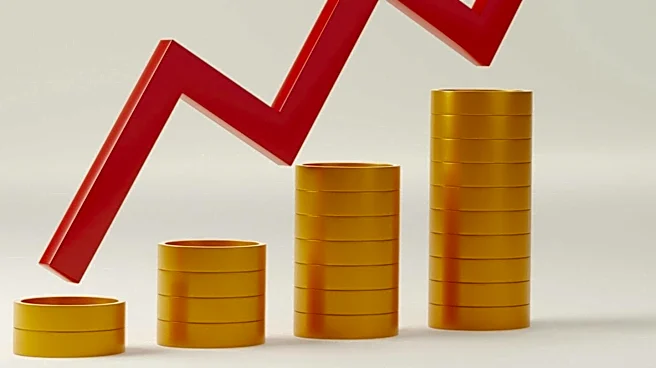
The U.S. government announced an upward revision of the economic growth rate for the period of October to December 2023, now standing at an annual pace of 3.4%. This figure is higher than the previously estimated 3.2% and marks the sixth consecutive quarter
where the economy expanded at an annual rate exceeding 2%. While this growth rate is a decrease from the 4.9% expansion seen between July and September 2023, it is considered solid, especially given the context of higher interest rates. The growth was primarily driven by increased consumer spending, exports, and business investments in infrastructure and software. For the entirety of 2023, the economy grew by 2.5%, an improvement from 1.9% in 2022. Projections from the Federal Reserve Bank of Atlanta indicate a 2.1% annual growth rate for the current January to March quarter, which, though slower, is still deemed decent. Furthermore, the GDP report suggests a relaxation in inflationary pressures, with the personal consumption expenditures index rising at a 1.8% annual rate in the fourth quarter of 2023, down from 2.6% in the third quarter.
Why It's Important?
This upgraded economic growth figure is significant as it indicates a resilient U.S. economy, even in an environment of elevated interest rates. Sustained growth, particularly driven by consumer spending and business investment, suggests underlying strength and confidence within the market. The easing of inflation pressures, as indicated by the personal consumption expenditures index, is crucial for maintaining consumer purchasing power and overall economic stability. A controlled inflation rate can prevent the Federal Reserve from implementing further aggressive monetary tightening, which could otherwise stifle growth. The continued expansion, despite a slight deceleration from the previous quarter, provides a positive outlook for businesses and employment, potentially leading to more stable job markets and increased opportunities. This economic performance can influence investment decisions, both domestically and internationally, as a strong U.S. economy often attracts capital. The data also offers valuable insights for policymakers, helping them to fine-tune fiscal and monetary strategies to ensure continued prosperity and manage potential risks.
What's Next?
Looking ahead, the Federal Reserve Bank of Atlanta's forecasting model predicts a 2.1% annual growth rate for the first quarter of 2024. This suggests a continued, albeit slightly moderated, expansion of the U.S. economy. Policymakers and economists will closely monitor upcoming economic indicators, including consumer spending, business investment, and inflation data, to assess the trajectory of growth and the effectiveness of current economic policies. The observed relaxation in inflation pressures could influence future decisions by the Federal Reserve regarding interest rates, potentially leading to a more accommodative monetary policy if the trend continues. Businesses may adjust their investment and hiring strategies based on these growth projections and inflation trends. Consumers will likely experience the effects of these economic shifts through employment opportunities, wage growth, and the cost of goods and services. The ongoing performance of the U.S. economy will also be a key factor in global economic stability and trade relations.
Beyond the Headlines
The consistent economic growth, even with higher interest rates, highlights a potential shift in how the U.S. economy responds to monetary policy. This resilience could be attributed to various factors, including robust labor markets, strong corporate balance sheets, and adaptive business strategies. The interplay between consumer confidence, business investment, and inflation rates is a complex dynamic that shapes long-term economic health. The ability of the economy to absorb higher borrowing costs while still expanding suggests a fundamental strength that might challenge traditional economic models. Furthermore, the easing of inflation could signal a successful navigation of post-pandemic economic challenges, potentially setting a precedent for managing future economic fluctuations. This sustained growth could also have broader societal implications, fostering greater economic security and opportunity for American households, provided that the benefits are widely distributed. The data underscores the importance of a diversified economic base and the capacity for innovation to drive growth even in challenging environments.