


What's Happening?
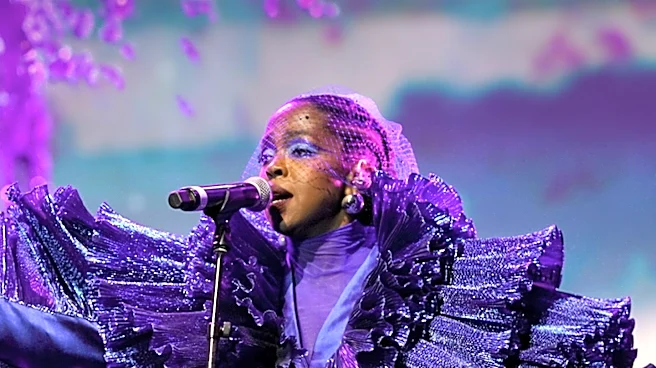
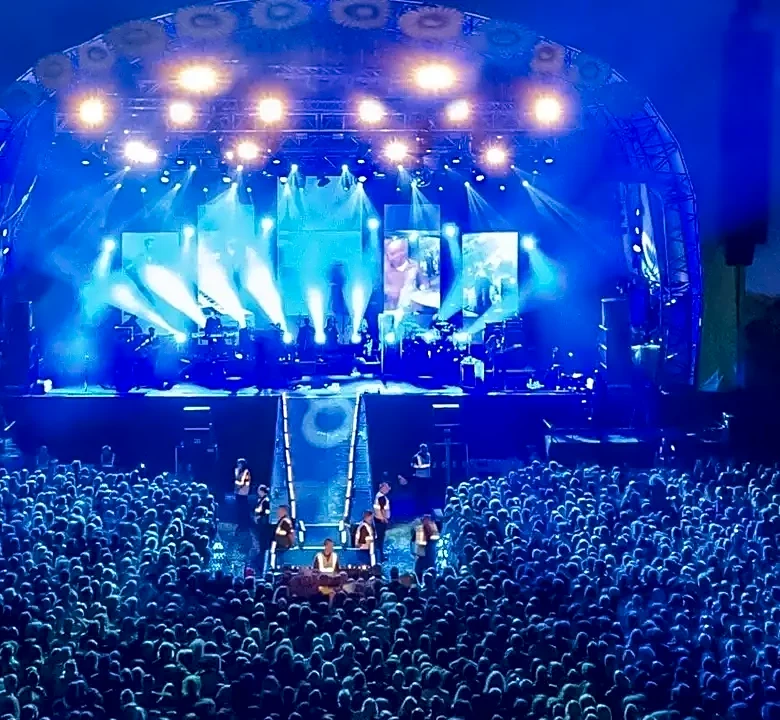
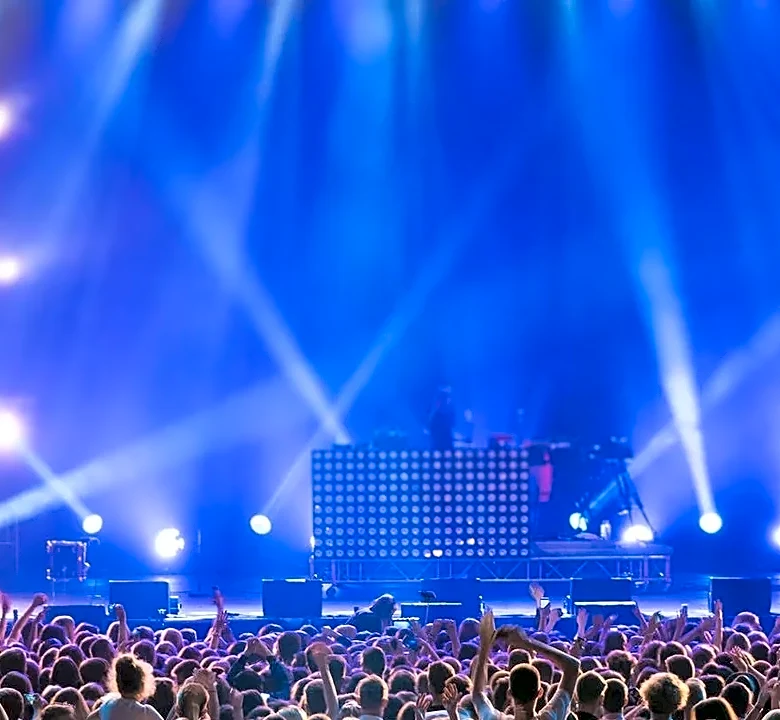
Lauryn Hill hosted the inaugural Diaspora Calling! Festival at the Milton Keynes National Bowl, drawing over 35,000 fans to celebrate Black music and culture. The event featured performances by Hill, Wyclef Jean, Erykah Badu, and others, marking the 30th
anniversary of the Fugees' album 'The Score'. The festival, hosted by comedian Dave Chappelle, included a diverse lineup of artists from various genres such as hip-hop, reggae, R&B, and Afrobeat. The event also featured cultural experiences with fashion, visual art, and community programming, highlighting diaspora-owned artists and entrepreneurs.
Why It's Important?
The Diaspora Calling! Festival underscores the significance of celebrating and preserving Black cultural heritage through music and arts. By bringing together a diverse array of artists and cultural expressions, the festival not only honors the legacy of influential Black musicians but also promotes unity and cultural exchange. This event highlights the ongoing impact of the African diaspora on global music and culture, fostering a sense of community and shared history. It also provides a platform for emerging artists to showcase their talents and connect with a broader audience.
What's Next?
Following the success of the inaugural event, there may be plans to expand the Diaspora Calling! Festival to other locations, potentially making it an annual celebration. The festival's emphasis on cultural exchange and community engagement could inspire similar events worldwide, further promoting the appreciation of Black music and culture. Additionally, the involvement of high-profile artists and cultural figures may attract more attention and support for future iterations, enhancing its impact and reach.
Beyond the Headlines
The festival's focus on cultural heritage and community empowerment reflects broader societal movements advocating for racial equality and cultural recognition. By celebrating the contributions of the African diaspora, the event contributes to ongoing conversations about diversity and inclusion in the arts. It also highlights the role of music and culture in bridging divides and fostering understanding across different communities.