






What's Happening?
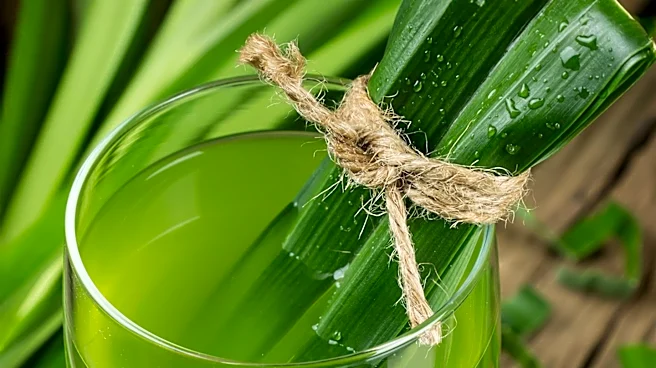
Pandan, a tropical plant widely used in Southeast Asian cuisines, is gaining popularity as a key ingredient in beverages across the United States. Known for its sweet, nutty, grassy flavor and vibrant green color, pandan is being incorporated into various
drinks, from coffee and lattes to cocktails. Cafes and bars are experimenting with pandan, offering unique takes on traditional and contemporary beverages. For instance, Gula, an Atlanta cafe, features pandan in nearly half of its menu, including an Es Cendol and a Pandan Spice Latte. FifthSip, a Vietnamese coffee shop in New York City, uses pandan syrup in its lattes, while Little Ox Coffee in California has made its pandan latte a popular menu item. Bartenders are also embracing pandan, with establishments like Death & Co in Los Angeles and Beachbum Berry's Latitude 29 in New Orleans featuring pandan-infused cocktails. The ingredient's versatility and distinct flavor profile are contributing to its growing presence in the U.S. beverage scene.
Why It's Important?
The rise of pandan in U.S. beverages signifies a broader trend of culinary exploration and the integration of diverse global flavors into mainstream American consumption. This shift impacts the food and beverage industry by introducing new product lines and flavor profiles, potentially creating new market segments for ingredients previously considered niche. For consumers, it offers novel taste experiences and expands their palates beyond traditional options. The increasing demand for pandan could also have economic implications for agricultural regions that cultivate the plant, potentially boosting imports and supporting international trade. Furthermore, it highlights a growing appreciation for authentic ethnic ingredients and the cultural narratives they carry, influencing menu development and marketing strategies within the hospitality sector. This trend also reflects a desire for natural and visually appealing ingredients, as pandan's inherent green hue eliminates the need for artificial coloring.
What's Next?
As pandan continues to gain traction, it is likely to appear in a wider array of U.S. beverage products, including ready-to-drink options and packaged goods. We can anticipate more cafes and bars adding pandan-infused items to their permanent menus, moving beyond seasonal or special offerings. The ingredient's versatility suggests potential for innovation in both alcoholic and non-alcoholic categories, from craft beers and spirits to health-focused drinks and desserts. Major food and beverage companies may begin to explore pandan as a flavor additive, potentially leading to its inclusion in mass-produced items. Additionally, the increased visibility of pandan could spur greater interest in other Southeast Asian ingredients, fostering a more diverse and globally-inspired culinary landscape in the U.S. Educational initiatives about pandan's origins and uses might also emerge, further integrating it into American food culture.
Beyond the Headlines
The growing popularity of pandan in the U.S. extends beyond mere culinary trendiness; it reflects deeper cultural and social shifts. It signifies a greater openness to global flavors and a breaking down of traditional culinary boundaries, driven in part by increased cultural exchange and diverse demographics. For many, pandan evokes nostalgia and a connection to their heritage, as noted by individuals like Alan Nguyen of FifthSip and Jakie Kim of Little Ox Coffee, who grew up with the ingredient. This emotional connection can foster a sense of community and cultural pride among immigrant populations. Moreover, the embrace of pandan highlights a broader consumer interest in natural, authentic, and visually appealing ingredients, moving away from artificial additives. This trend could also influence sustainable sourcing practices and fair trade considerations as demand for pandan grows, prompting discussions about ethical supply chains and supporting farmers in pandan-producing regions.