







What's Happening?
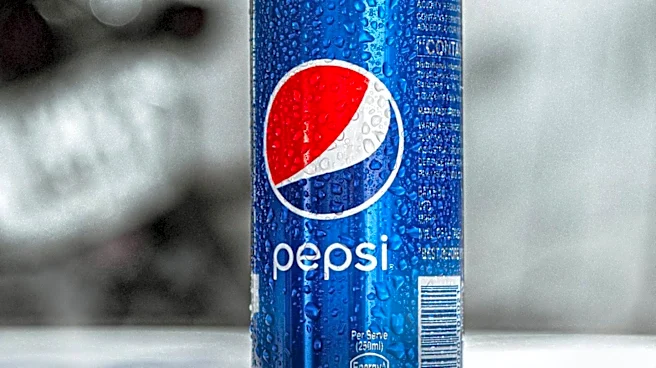
PepsiCo Beverages US has closed its bottling plant in Knoxville, Tennessee, resulting in the immediate elimination of 112 manufacturing, maintenance, and warehouse positions. This move is part of broader cost-cutting measures and network optimization
efforts by the company, as its North American beverage business faces declining volumes. According to CEO Ramon Laguarta, PepsiCo is 'not competing well in soft drinks,' with North American beverage volume falling 2% in Q3, while snack volume remained flat. Affected employees will be paid through a notice period ending January 1, and PepsiCo is attempting to place them in nearby facilities. This closure follows similar actions in Cheverly, Maryland, and Tulsa, Oklahoma, where PepsiCo reduced manufacturing or warehouse operations, impacting hundreds of jobs. The company has not yet disclosed which plants will absorb Knoxville's production, but Laguarta has indicated a strategy that includes potentially refranchising more territories to independent bottlers and divesting some assets.
Why It's Important?
This plant closure and job reduction highlight PepsiCo's strategic shift to address underperforming segments, particularly its soft drink business in North America. The company's focus on 'aggressive' cost-cutting and network rationalization signals a challenging period for its beverage division, contrasting with its more stable snack business. The move could lead to increased efficiency and profitability in the long term for PepsiCo, but it also signifies job losses and economic disruption in affected communities like Knoxville. For the broader beverage industry, PepsiCo's struggles in soft drinks, even as rival Coca-Cola invests heavily in its U.S. production and distribution, underscore the intense competitive pressures and evolving consumer preferences. This situation may prompt other beverage companies to re-evaluate their operational footprints and investment strategies in response to market dynamics.
What's Next?
PepsiCo is expected to continue its aggressive cost-cutting and network optimization strategies across its U.S. drink network. CEO Ramon Laguarta has indicated that the company will explore various 'productivity levers,' including automation, digitalization, and potential asset divestitures in beverages. The company may also accelerate refranchising efforts in certain regions, transferring bottling and distribution responsibilities to independent bottlers. This could lead to further plant closures or operational shifts in other locations as PepsiCo aims to improve its competitive standing in the soft drink market. Stakeholders, including employees and local communities, will be watching for announcements regarding where Knoxville's production will be relocated and if more job cuts are on the horizon. The company's future Q4 earnings calls will likely provide more details on the impact of these measures and any further strategic adjustments.
Beyond the Headlines
The challenges faced by PepsiCo's soft drink division reflect broader shifts in consumer preferences away from traditional carbonated beverages towards healthier or alternative drink options. While PepsiCo has a diversified portfolio including snacks, its struggle in a core beverage category indicates a need for significant innovation and adaptation. The company's strategy of cost-cutting and network rationalization, while aimed at improving financial performance, also raises questions about the long-term sustainability of large-scale manufacturing jobs in the U.S. beverage industry. The contrast with Coca-Cola's investment in its U.S. production infrastructure suggests differing approaches to market challenges, potentially leading to a divergence in market share and brand perception. This situation could also accelerate the trend of beverage companies outsourcing bottling and distribution to independent partners, fundamentally altering the industry's supply chain and employment landscape.