






What's Happening?
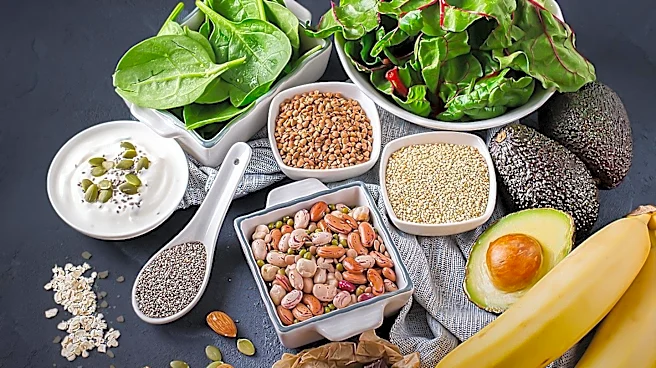
Prebiotics are non-digestible food components that specifically foster the growth of beneficial bacteria in the gut. Unlike probiotics, which introduce live bacteria, prebiotics act as nourishment for existing beneficial microbes. They are primarily found
in complex carbohydrates and various produce items such as flax, oats, garlic, root vegetables, apples, and green bananas. While some dietary fibers possess prebiotic effects, not all fibers are prebiotics. The key distinction is that prebiotics are selectively utilized by host microorganisms to confer a health benefit. This selective utilization is crucial for maintaining a healthy microbial balance in the gut, which in turn supports overall digestive health and can alleviate common symptoms like bloating, gas, and diarrhea. The fermentation of these prebiotics by gut bacteria produces beneficial metabolites, including short-chain fatty acids like acetate, propionate, and butyrate, which play roles in intestinal health, metabolic processes, and immune signaling.
Why It's Important?
The role of prebiotics in maintaining gut health is foundational, akin to the importance of vitamins and minerals for overall well-being. A healthy gut microbiome, supported by adequate prebiotic intake, is increasingly recognized as vital for various bodily functions beyond digestion. The production of short-chain fatty acids from prebiotic fermentation has implications for metabolic health, immune system regulation, and even the gut-brain axis. For individuals, understanding the difference between prebiotics and general dietary fiber can lead to more targeted dietary choices for improving gut health. This knowledge empowers consumers to select foods that specifically feed beneficial gut bacteria, potentially mitigating digestive discomfort and contributing to long-term health. The distinction also highlights that simply increasing fiber intake may not always yield the same benefits as consuming specific prebiotics, emphasizing the need for diverse plant-based foods in the diet.
What's Next?
As research continues to uncover the intricate connections between the gut microbiome and overall health, there will likely be an increased focus on identifying and incorporating more specific prebiotic sources into diets. Consumers can expect to see more food products fortified with prebiotics and clearer labeling to help distinguish between general fiber and true prebiotics. Healthcare professionals and nutritionists may increasingly recommend personalized dietary approaches that emphasize prebiotic-rich foods to address individual gut health needs. Further studies are anticipated to explore the precise mechanisms through which different prebiotics impact various health conditions, potentially leading to more targeted dietary interventions for issues ranging from digestive disorders to metabolic syndromes and immune system support.
Beyond the Headlines
The growing understanding of prebiotics underscores a broader shift in nutritional science from focusing solely on macronutrients and micronutrients to recognizing the critical role of the microbiome. This paradigm shift highlights the interconnectedness of diet, gut health, and systemic well-being. Ethically, this knowledge places a greater responsibility on food manufacturers to provide accurate information about the prebiotic content of their products, moving beyond generic 'fiber-rich' claims. Culturally, it may lead to a resurgence of traditional diets rich in diverse plant-based foods, which naturally contain a wide array of prebiotics. The long-term implication is a more holistic approach to health, where dietary recommendations are tailored not just to the individual's body but also to their unique microbial ecosystem, potentially revolutionizing preventive medicine and chronic disease management.