



What's Happening?
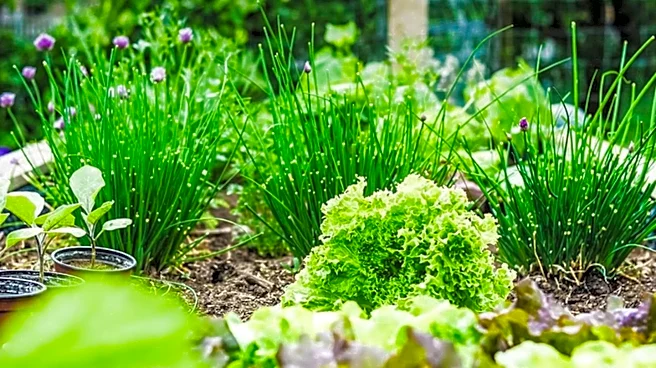
Guy Kilpatric, a farm manager at the University of Maryland's Terp Farm, is advising home gardeners to consider planting greens like Swiss chard and garlic during the fall season. This recommendation comes amidst a summer marked by food recalls and rising
grocery costs, prompting individuals to seek more control over their food supply. Kilpatric highlights that crops such as Swiss chard are well-adapted to colder temperatures and can provide harvests for several months, potentially extending from fall well into the summer. He emphasizes the nutritional value of Swiss chard and its versatility in cooking. Additionally, garlic is noted as one of the easiest crops to grow, with the current fall period being the ideal time for planting to yield results by the following summer. Terp Farm itself grows various cold-tolerant vegetables, including broccoli, collard greens, beets, radishes, and Swiss chard, which are utilized in student cafeterias and the campus food bank.
Why It's Important?
The advice from the University of Maryland farm manager is significant for U.S. households looking to enhance food security and mitigate the impact of fluctuating grocery prices and food recalls. By encouraging home gardening of resilient fall crops like Swiss chard and garlic, individuals can gain greater control over the quality and origin of their produce. This initiative promotes self-sufficiency and offers a practical solution to concerns about food safety and cost. Furthermore, growing one's own food provides tertiary benefits, including personal satisfaction and a deeper connection to the food system. The focus on cold-tolerant plants extends the gardening season, allowing for fresh produce availability for a longer duration, which can contribute to healthier eating habits and reduced reliance on commercial supply chains that have recently faced disruptions.
What's Next?
Individuals interested in home gardening can begin planting garlic and cold-tolerant greens like Swiss chard now, following the recommendations from the University of Maryland. This will allow them to harvest these crops in the coming months and into the next year. The success of such home gardening efforts could lead to increased interest in sustainable food practices and potentially influence local community initiatives to support urban farming or community gardens. Educational institutions and agricultural extensions might further promote these types of resilient crops, offering workshops or resources to help more people cultivate their own food. As food system vulnerabilities continue to be a concern, the trend of growing one's own produce is likely to gain momentum, with more resources becoming available to support these efforts.
Beyond the Headlines
Beyond the immediate benefits of fresh produce, the emphasis on home gardening touches upon broader themes of resilience and sustainability within the U.S. food system. The act of growing one's own food fosters a greater understanding of agricultural processes and the effort involved in food production, potentially leading to reduced food waste and more mindful consumption. It also offers a tangible way for individuals to engage with environmental stewardship, even on a small scale. The satisfaction derived from cultivating one's own food can have positive psychological impacts, promoting well-being and a sense of accomplishment. This movement towards localized food production, even at the household level, could contribute to a more decentralized and robust food network, less susceptible to large-scale disruptions and more responsive to community needs.