




What's Happening?
Solo travel is increasingly becoming a popular trend, particularly among millennials and Gen Z, who are seeking personal growth, independence, and self-discovery. This shift is driven by a desire to escape the stresses of work and life, allowing individuals
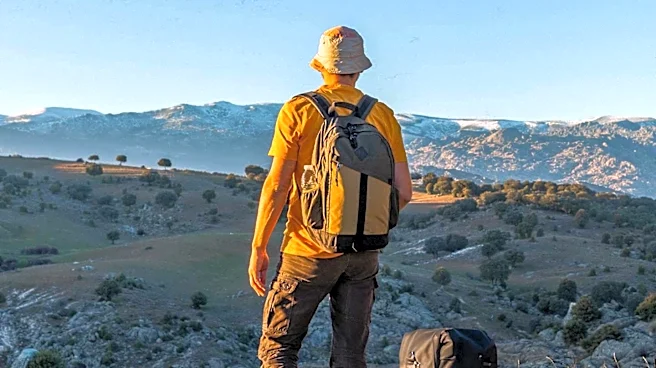
to reconnect with themselves. Travelers are embracing the freedom to craft personalized itineraries without the need to compromise with companions, leading to unique experiences such as spending hours in museums, exploring off-the-beaten-path locations, or lingering in local cafes. This form of travel is seen as a powerful assertion of independence in a world dominated by social media and constant connectivity, challenging the traditional view of exploration as a group activity. Many solo travelers find that navigating unfamiliar environments and making all decisions independently builds confidence and sharpens problem-solving skills, fostering a deep sense of self-reliance that extends beyond the trip itself. The trend is attracting individuals from diverse backgrounds, including startup founders, finance professionals, parents, and social workers, all looking to experience the world on their own terms.
Why It's Important?
The rise of solo travel signifies a notable cultural shift towards prioritizing individual well-being and authentic experiences over group dynamics. For the travel industry, this trend presents both opportunities and challenges. Companies that can cater to the specific needs and preferences of solo travelers, such as offering flexible itineraries, safe accommodation options, and opportunities for social interaction with other solo travelers, stand to gain significantly. The emphasis on self-discovery and personal growth also suggests a market for specialized travel experiences focused on wellness, skill-building, or unique cultural immersion. Economically, solo travelers often have more disposable income and are willing to spend on personalized experiences, potentially boosting local economies in destinations that embrace this demographic. Furthermore, the development of resilience and problem-solving skills through solo travel can have broader societal benefits, contributing to a more self-reliant and adaptable workforce. This trend also highlights a growing desire for autonomy and control in personal leisure activities, reflecting a broader societal movement towards individual empowerment.
What's Next?
As solo travel continues to grow, the travel industry is likely to see further innovations tailored to this market segment. This could include the development of more solo-friendly tour packages, specialized apps for solo travelers to connect and share experiences, and increased focus on safety and security features for individuals traveling alone. Destinations may also begin to market themselves more explicitly to solo adventurers, highlighting unique experiences that cater to individual interests. We can expect to see more content and resources, such as guides and online communities, dedicated to helping first-time solo travelers prepare and navigate their journeys. The emphasis on 'practicing' solo travel locally before embarking on larger trips, as suggested by experienced solo travelers, may also become a more formalized recommendation, with local tourism boards potentially offering 'solo practice' itineraries. This trend could also influence urban planning and public spaces, with a greater consideration for individual-friendly amenities and activities.
Beyond the Headlines
Beyond the immediate economic and industry impacts, the solo travel phenomenon touches upon deeper psychological and sociological aspects. It challenges the societal expectation that happiness and fulfillment are primarily found in shared experiences, promoting the idea that solitude can be a powerful catalyst for self-understanding and personal development. The act of traveling alone, especially for women, also carries implications for personal safety and empowerment, pushing boundaries and redefining perceptions of independence. It fosters a unique form of global citizenship, as solo travelers often engage more deeply with local cultures and individuals, leading to profound connections and a broader worldview. This trend may also contribute to a re-evaluation of social norms around companionship and leisure, encouraging individuals to pursue their passions regardless of whether they have a travel partner. The confidence and self-reliance gained through solo journeys can translate into other areas of life, potentially leading to more assertive and independent individuals in their careers and personal relationships.