
What's Happening?
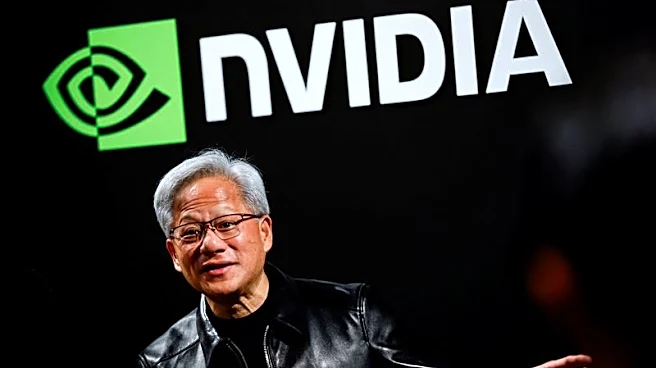
Entrepreneur Kim So-young has publicly expressed her disappointment regarding NVIDIA founder Jensen Huang's resignation as CEO and board member. Huang stepped down on November 12th amid escalating personal
life controversies, including allegations of extramarital affairs. Kim So-young, a former MBC announcer who has transitioned into business, shared her sentiments during an 'Ask Me Anything' session on social media. She reacted to a netizen's comment about 'CEO risk' by acknowledging the potential impact of a corporate leader's personal issues on a company. Kim specifically mentioned Huang, stating her regret given how impressed she had been by his biography and management philosophy. The controversy surrounding Huang intensified after he admitted to infidelity in a message to NVIDIA employees on November 8th, followed by further reports from the NYT on November 11th alleging another extramarital relationship. These personal issues, coupled with unconfirmed suspicions from U.S. intelligence authorities linking one alleged partner to Chinese intelligence, have led to significant public scrutiny.
Why It's Important?
Jensen Huang's resignation from NVIDIA, a company at the forefront of the global artificial intelligence industry, highlights the significant concept of 'CEO risk.' This situation underscores how the personal conduct and controversies of a top executive can directly impact corporate leadership, public trust, and potentially the company's value and strategic direction. For the U.S. business landscape, this event serves as a stark reminder of the intense scrutiny faced by leaders of major corporations, especially those in critical technological sectors. The unconfirmed allegations of ties to foreign intelligence agencies further complicate the narrative, touching upon national security concerns that can have broader implications for U.S. technology companies operating globally. The departure of a figure as prominent as Huang, who has been a symbol of AI innovation, could also trigger discussions within corporate governance circles about ethical leadership and the mechanisms for managing personal conduct risks at the highest levels of management. Stakeholders, including investors and employees, may experience uncertainty, emphasizing the need for robust succession planning and crisis management strategies.
What's Next?
Following Jensen Huang's resignation, NVIDIA will likely focus on ensuring a smooth leadership transition and maintaining investor confidence. The company's board of directors will need to clearly communicate its plans for new leadership and reassure the market about its strategic direction in the highly competitive AI sector. Internally, NVIDIA may need to address employee morale and any potential disruptions caused by the sudden departure of its founder. Externally, the incident could prompt increased scrutiny from regulatory bodies, particularly if any national security concerns related to the unconfirmed intelligence allegations gain further traction. Other technology companies might review their own executive conduct policies and crisis management protocols in light of this high-profile event. The broader discussion around 'CEO risk' is expected to continue, potentially influencing how corporate boards evaluate and monitor the personal lives of their top executives, especially in industries deemed critical to national interests.
Beyond the Headlines
The resignation of Jensen Huang extends beyond typical corporate leadership changes, touching upon deeper ethical and societal implications. The intertwining of personal conduct allegations with unconfirmed national security concerns raises complex questions about the privacy of corporate leaders versus the public's right to know, especially when a company operates in a strategically vital sector like AI. This event could fuel debates about the extent to which the personal lives of CEOs should be subject to public and corporate oversight, particularly when there are potential implications for national security or corporate integrity. It also highlights the increasing vulnerability of public figures to scrutiny in the digital age, where personal controversies can rapidly escalate and impact professional standing. The incident may also prompt a re-evaluation of corporate ethics frameworks, pushing companies to consider more comprehensive guidelines for executive behavior that account for both personal and professional conduct, and their potential ripple effects on corporate reputation and national interests.