






What's Happening?
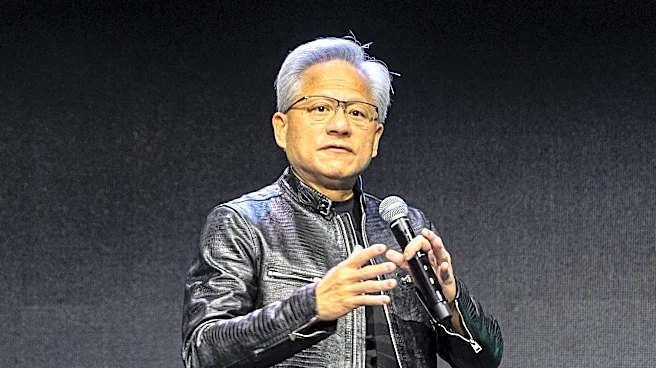
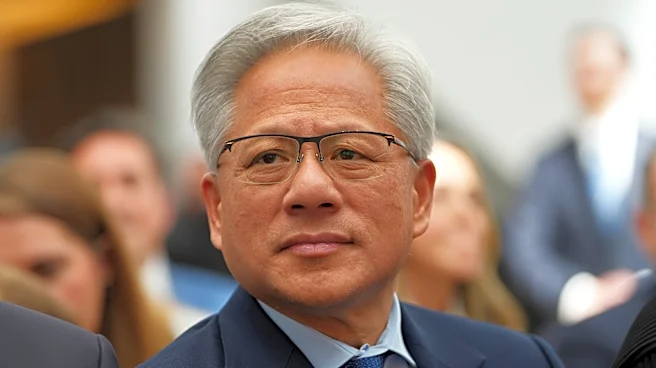
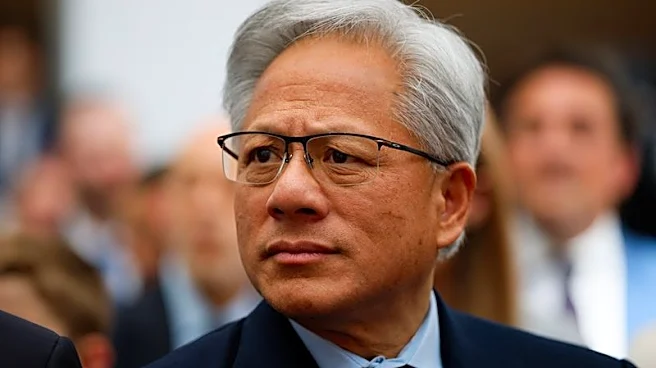
Nvidia CEO Jensen Huang reportedly lobbied President Trump to ease restrictions on AI chip sales to China, according to a report. This lobbying occurred while Huang was allegedly involved in a 'honeytrap' with Alice Huang, an alleged Chinese spy. Jensen Huang, who
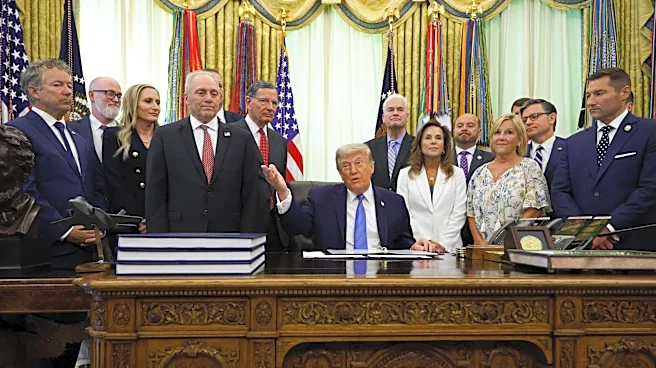
has been married for over 40 years, was seen with Alice Huang at various events, including a dinner in Taipei in May 2025. Alice Huang, a former TV host and banker, is now an executive at Megaspeed, a Singapore-based AI computing company that has purchased billions of dollars in chips from Nvidia. Megaspeed is currently under investigation for allegedly smuggling 50,000 chips to China. Despite warnings from a tech company to the Commerce Department and a report by Culper Research in May 2026 about the relationship, President Trump has publicly supported Jensen Huang, stating he believes Huang was unaware of Alice Huang's alleged spy activities. Nvidia's board has expressed full confidence in Jensen Huang, though an investigation into the claims is underway.
Why It's Important?
This situation highlights significant concerns regarding national security, corporate ethics, and the integrity of U.S. technology exports. Nvidia is a critical player in the global AI chip market, with its technology being central to the ongoing AI boom, contributing significantly to the U.S. economy. The alleged 'honeytrap' and subsequent lobbying efforts raise questions about potential foreign influence on U.S. policy decisions concerning critical technology. If proven, the alleged smuggling of chips to China could undermine U.S. efforts to restrict advanced technology access to adversaries, impacting national security and technological leadership. The close relationship between a prominent U.S. CEO and an alleged foreign agent, coupled with policy changes that benefited the CEO's company, could erode public trust in both corporate and governmental institutions. The incident also underscores the challenges of maintaining technological advantage and preventing intellectual property transfer in a complex geopolitical landscape.
What's Next?
The ongoing investigation into Megaspeed for alleged chip smuggling and Nvidia's internal probe into the claims surrounding Jensen Huang's relationship with Alice Huang are key next steps. The outcomes of these investigations could lead to significant legal and regulatory actions, potentially impacting Nvidia's operations, its leadership, and U.S. export policies. Further scrutiny from Congress and other government agencies is also possible, especially given the national security implications. The incident may prompt a re-evaluation of how U.S. officials interact with and are influenced by corporate leaders, particularly those with significant foreign business interests. Additionally, the broader tech industry may face increased pressure to implement more stringent internal controls and due diligence processes to prevent similar situations.
Beyond the Headlines
The incident delves into the complex intersection of personal conduct, corporate power, and national security. The alleged 'honeytrap' scenario raises ethical questions about the vulnerabilities of high-profile individuals to foreign intelligence operations and the potential for such vulnerabilities to be exploited for geopolitical gain. It also highlights the immense influence that major tech companies and their leaders wield over policy, particularly in critical sectors like AI. The narrative touches upon the delicate balance between fostering innovation and protecting national interests, especially when dealing with strategic competitors like China. The public's perception of corporate integrity and government oversight could be significantly affected, potentially leading to calls for greater transparency and accountability in both the private and public sectors. This event could also serve as a case study for future discussions on corporate governance, executive conduct, and the ethical responsibilities of leaders in strategically important industries.