





What's Happening?
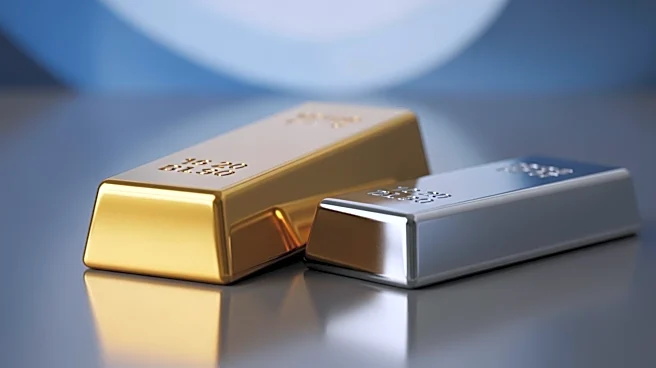
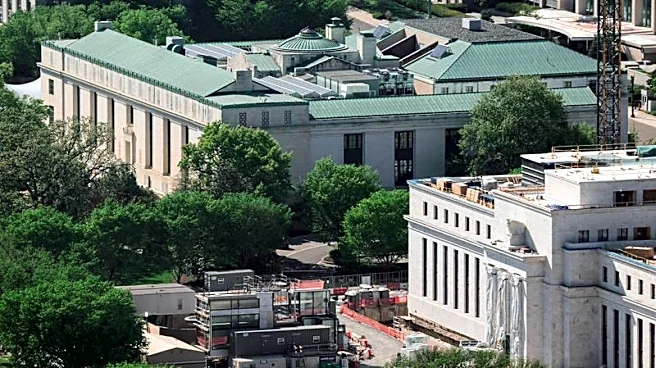
Gold prices faced pressure this week as the Federal Reserve maintained a hawkish bias, signaling potential interest rate hikes. This stance has shifted market expectations from rate cuts to possible increases, affecting gold's appeal as an investment.
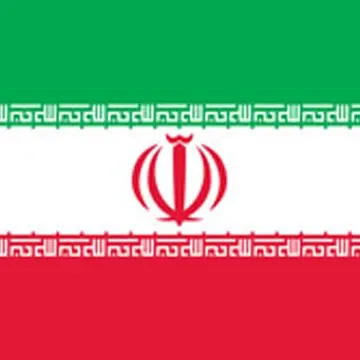
Despite a significant price drop, the decline in gold is seen as de-risking rather than panic selling. Meanwhile, the U.S.-Iran memorandum of understanding has eased some geopolitical tensions, allowing commercial traffic to resume in the Strait of Hormuz and reducing oil prices. However, unresolved tensions keep safe-haven demand for gold from disappearing entirely.
Why It's Important?
The Federal Reserve's hawkish stance impacts gold by increasing the opportunity cost of holding non-yielding assets like precious metals. As interest rates rise, investors may shift towards assets offering better returns, reducing demand for gold. The U.S.-Iran developments are crucial for global oil markets, as they influence oil prices and inflationary pressures. Lower oil prices can reduce inflation-hedge demand for gold, while ongoing geopolitical risks maintain its safe-haven status. These dynamics affect investors' strategies and the broader commodities market, influencing economic conditions and financial stability.
What's Next?
Market participants will watch for further signals from the Federal Reserve regarding interest rate policies, as these will influence gold's attractiveness as an investment. The progress of U.S.-Iran negotiations will also be critical, as any changes in geopolitical tensions could impact oil prices and, consequently, gold demand. Traders will pay attention to upcoming economic data releases, such as U.S. manufacturing and services PMIs, which could provide insights into the economic outlook and influence market sentiment. The interplay between these factors will shape the commodities market and investor strategies.