





What's Happening?
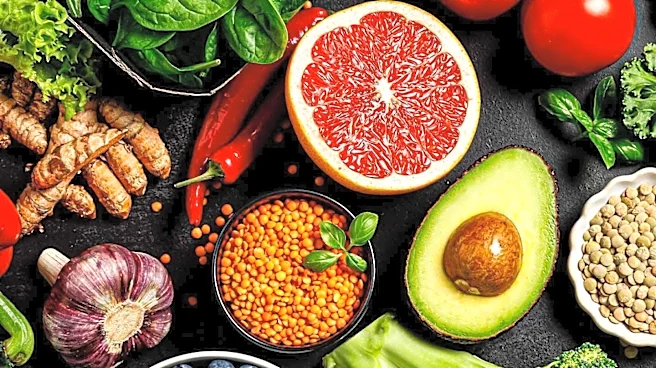
Research into anti-inflammatory foods reveals varying levels of scientific evidence supporting their efficacy, according to Healthline. While some foods, like turmeric, have shown measured reductions in inflammation markers in human trials (specifically,
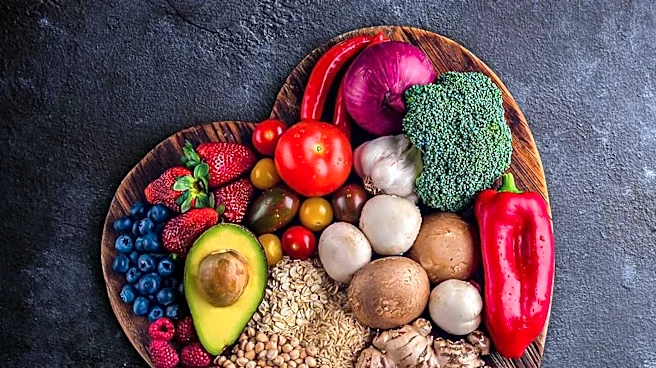
a 2015 trial noted a drop in CRP levels in individuals with metabolic syndrome who took curcumin with piperine), others are supported by plausible explanations of how they might work or by studies that have not yet reached human trials. For instance, while blueberries, raspberries, and blackberries contain anthocyanins, an antioxidant, only strawberries have reported measured drops in inflammation markers. The effectiveness of these foods often depends on the dosage and how they are consumed, with many studies using concentrated extracts or supplements rather than typical food servings. The overall consensus is to view these foods as part of a broader dietary pattern rather than as individual 'cures.'
Why It's Important?
This distinction in evidence is crucial for consumers and healthcare professionals alike. It helps manage expectations regarding the impact of specific foods on chronic inflammation, which is a significant public health concern linked to various diseases. Understanding that a 'promising result' is not the same as a 'proven one' prevents the over-reliance on single ingredients and encourages a more holistic approach to diet. For the food industry, it highlights the need for transparent communication about product benefits and the scientific backing behind them. For individuals, it underscores the importance of a balanced, diverse diet rich in various plant-based foods, rather than seeking quick fixes through isolated 'superfoods.' This perspective can guide more effective dietary interventions and public health campaigns aimed at reducing inflammation.
What's Next?
Future research is expected to continue investigating the anti-inflammatory properties of various foods, with a focus on human intervention studies to provide stronger evidence. For example, Swinburne University of Technology is seeking funding to test broccoli's key compounds in people, and the USDA ARS indicates that intervention studies are still needed for mushroom findings. Consumers will likely be encouraged to adopt a pattern of eating that regularly includes a variety of these foods, rather than expecting a single food to act like a drug. This approach emphasizes the synergistic effects of different nutrients and compounds found in whole foods. Healthcare providers will continue to advise on comprehensive dietary strategies that incorporate these foods as part of a broader lifestyle approach to managing inflammation.
Beyond the Headlines
The nuanced understanding of anti-inflammatory foods challenges the prevalent 'superfood' narrative, which often simplifies complex nutritional science into marketable soundbites. This deeper insight reveals that the benefits of diet often stem from the cumulative effect of diverse nutrients and compounds working in concert, rather than the isolated power of a single ingredient. It also raises ethical considerations regarding how food science is communicated to the public, urging for more accurate and less sensationalized reporting. Culturally, it promotes a return to balanced eating habits and a skepticism towards quick-fix solutions, fostering a more informed and critical approach to dietary choices. This perspective can empower individuals to make sustainable dietary changes based on robust evidence, contributing to long-term health improvements and a more realistic understanding of nutrition's role in disease prevention.