




What's Happening?
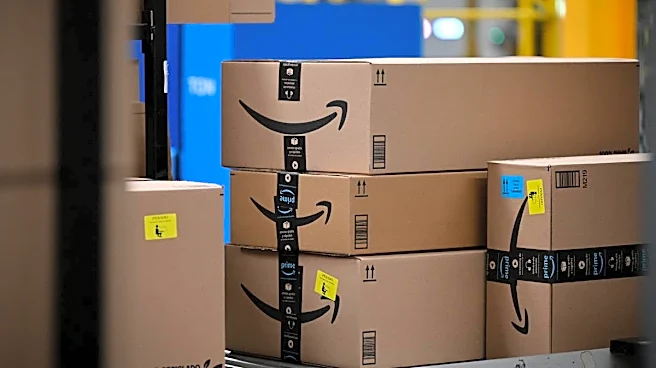
Amazon's October Prime Days are offering substantial discounts on a variety of robot vacuums, including high-end and entry-level models. Consumers can find deals on advanced devices like the Dreame X60 Max Ultra, Roborock Q10 S5 Plus, and iRobot Roomba
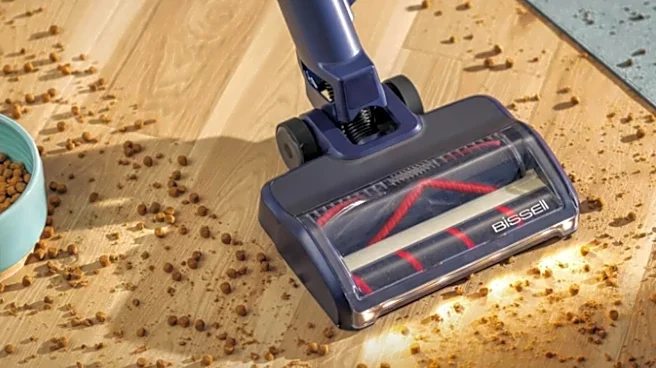
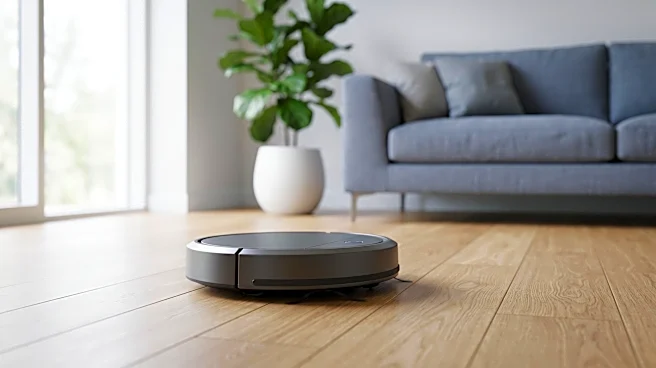
105X Combo. These sales feature robot vacuums with advanced functionalities such as lidar navigation, AI-enhanced object recognition, self-emptying and self-cleaning docking stations, and hot-water mopping capabilities. For instance, the Dreame X60 Max Ultra, a top-tier model, is available for over $500 off its usual price, boasting excellent cleaning performance and a slim profile. The Roborock Q10 S5 Plus is marked down by 55%, making it an affordable option with a self-emptying dust bag and lidar navigation. The iRobot Roomba 105X Combo is also significantly discounted by 57%, offering lidar mapping and automatic rug detection. These promotions aim to make sophisticated home cleaning technology more accessible to Amazon Prime members.
Why It's Important?
These significant discounts on robot vacuums during Amazon's October Prime Days are important for several reasons. For consumers, it represents an opportunity to acquire advanced home cleaning technology at a reduced cost, potentially improving household efficiency and convenience. The availability of features like AI-enhanced object recognition and self-emptying docks means less manual intervention, which can be particularly beneficial for busy individuals or those with pets. For the retail sector, these sales events drive considerable traffic and sales, influencing consumer spending patterns and setting competitive pricing benchmarks. Brands like Dreame, Roborock, and iRobot leverage these events to clear inventory, introduce newer models, and expand their market share. The emphasis on advanced features also highlights the ongoing innovation in the smart home appliance industry, pushing manufacturers to continuously develop more sophisticated and user-friendly products. This competitive environment ultimately benefits consumers by offering more choices and better value.
What's Next?
As Amazon's October Prime Days conclude, the immediate next steps for consumers will be to finalize their purchases before the deals expire. Retailers will likely analyze sales data from this event to inform future pricing strategies and promotional campaigns, particularly leading into the holiday shopping season. Manufacturers will continue to monitor market demand and competitor activities, potentially adjusting their production and marketing efforts based on the performance of various models during these sales. There is also an ongoing discussion regarding potential future FCC regulations on robot vacuums, though currently sold models are unaffected. Manufacturers are adopting a 'wait-and-see' approach, expecting potential waivers for future models. This regulatory uncertainty could influence product development and market entry strategies for new robot vacuum technologies in the long term. Consumers interested in these products should remain vigilant for similar sales events, such as Black Friday and Cyber Monday, though experts suggest buying now if a suitable deal is found due to market uncertainties.
Beyond the Headlines
Beyond the immediate sales, the widespread adoption of robot vacuums, driven by events like Prime Days, signifies a broader shift towards automated and smart home technologies. The integration of AI, lidar navigation, and self-maintenance features in these devices reflects a growing consumer expectation for convenience and efficiency in daily chores. This trend has implications for the labor market, potentially reducing the demand for traditional cleaning services in some households, while simultaneously creating new opportunities in tech support and maintenance for these complex devices. Furthermore, the increasing sophistication of these robots raises questions about data privacy, as many models map home layouts and learn user habits. The 'hands-free' aspect of these devices also contributes to a lifestyle where technology increasingly manages routine tasks, allowing individuals to allocate their time to other activities. This technological evolution is reshaping our living spaces and daily routines, making smart home integration a standard rather than a luxury.