






What's Happening?
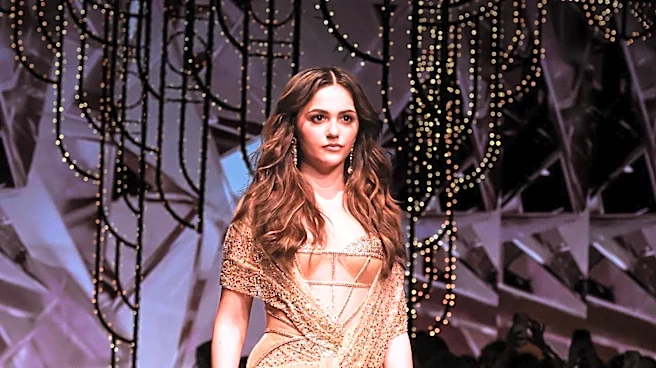
The fashion industry is seeing a continued influence from K-Pop styles and the resurgence of Y2K trends, with a focus on practical application for daily wear versus stage performance. Key distinctions are being made between 'Stage Look' drama and 'Airport
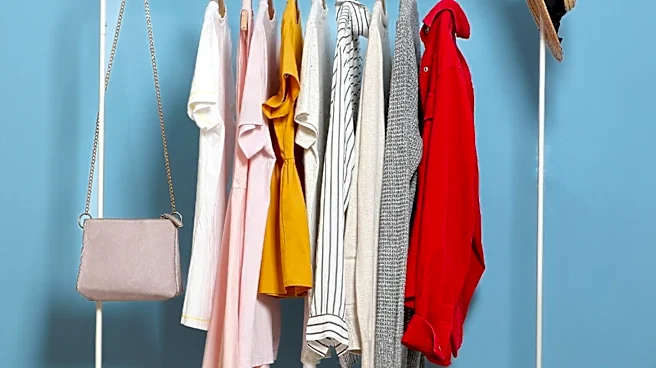
Fashion' wearability. For accessories, there's an emphasis on understanding material science; for instance, polished stainless steel is favored over silver alloys for its resistance to oxidation, especially in humid climates. High-transparency acrylic is noted for its ability to mimic expensive gemstones under flash photography due to its engineered refractive index. When selecting garments, the 'crumple test' and fabric GSM (grams per square meter) are recommended to objectively assess quality, moving beyond mere touch. The return of Y2K styles is identified as a cyclical nostalgia trend, suggesting that understanding these cycles can help consumers make more informed purchasing decisions rather than blindly following fleeting fads. The advice extends to focusing on core silhouettes and versatile pieces to build a wardrobe that endures trend shifts.
Why It's Important?
This shift in fashion consumption and understanding is important for U.S. consumers and the retail industry. For consumers, it promotes a more informed and sustainable approach to fashion, encouraging investment in quality, versatile pieces that can be adapted across different trends and occasions. This could lead to a reduction in fast fashion consumption and an increase in demand for durable, well-constructed items. For U.S. retailers and designers, understanding the nuances between 'Stage Look' and 'Airport Fashion' is crucial for product development and marketing strategies. It highlights the need to offer products that are not only aesthetically appealing but also practical and durable for everyday use. The emphasis on material science, such as the benefits of stainless steel and acrylic, could influence manufacturing processes and material sourcing, potentially leading to more innovative and cost-effective production methods. Furthermore, recognizing Y2K as a cyclical trend allows businesses to anticipate future style resurgences, enabling better inventory management and design planning, thereby reducing waste and increasing profitability.
What's Next?
Consumers are likely to continue adopting more discerning shopping habits, prioritizing quality and versatility in their fashion choices. This could lead to a sustained demand for educational content on material science and garment construction from brands and fashion influencers. Retailers and brands will need to adapt by offering more transparent information about their products' materials and durability. We may see an increase in marketing campaigns that highlight the longevity and adaptability of clothing items, rather than just their trendiness. Designers might further explore innovative materials that offer both aesthetic appeal and practical benefits, similar to the use of high-transparency acrylic. The cyclical nature of fashion trends, particularly the Y2K resurgence, suggests that brands will continue to revisit past eras for inspiration, requiring them to develop strategies for reinterpreting these styles in fresh and wearable ways. This could also foster a greater appreciation for vintage and second-hand clothing, further impacting the retail landscape.
Beyond the Headlines
The detailed advice on distinguishing between 'Stage Look' and 'Airport Fashion' reflects a broader cultural shift towards authenticity and practicality in personal style. In an era dominated by social media and curated online personas, there's a growing desire for clothing that genuinely fits one's lifestyle rather than merely projecting an image. This trend challenges the traditional fashion industry's emphasis on aspirational, often impractical, runway looks. The focus on material science and objective quality assessment (like the 'crumple test' and GSM) empowers consumers to make more informed decisions, fostering a sense of agency in their consumption. This could lead to a more critical consumer base that demands transparency and value, pushing brands to prioritize ethical sourcing and sustainable production. The cyclical nature of trends, particularly the Y2K revival, also speaks to a collective nostalgia and the comfort found in revisiting familiar aesthetics during times of rapid change. This deeper implication suggests that fashion is not just about novelty but also about cultural memory and identity, offering a sense of continuity in an ever-evolving world.