




What's Happening?
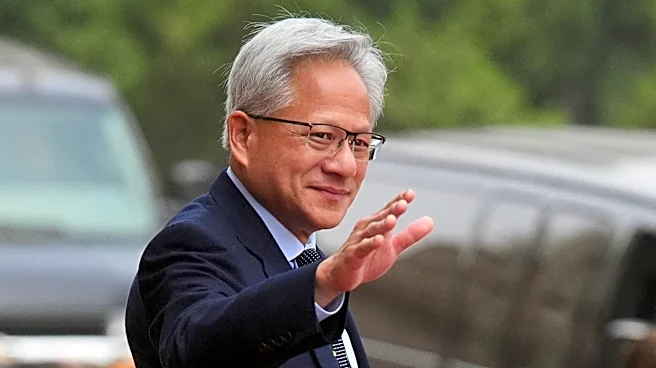
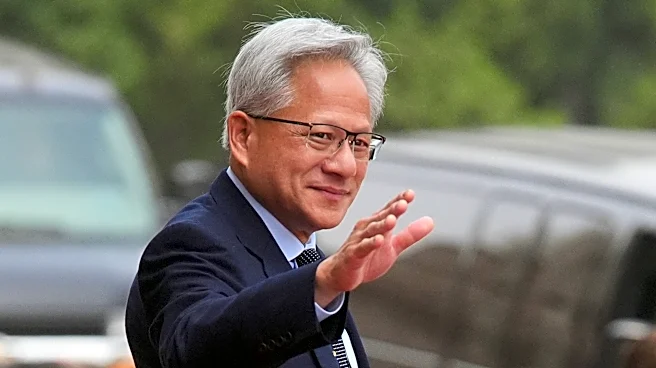
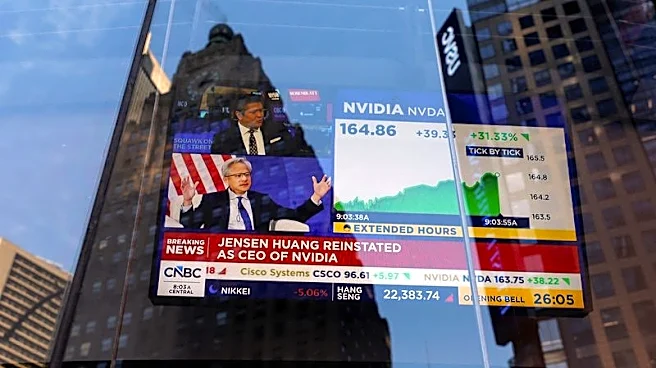
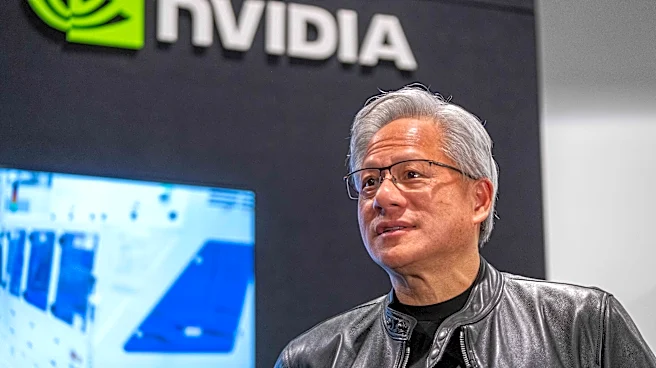
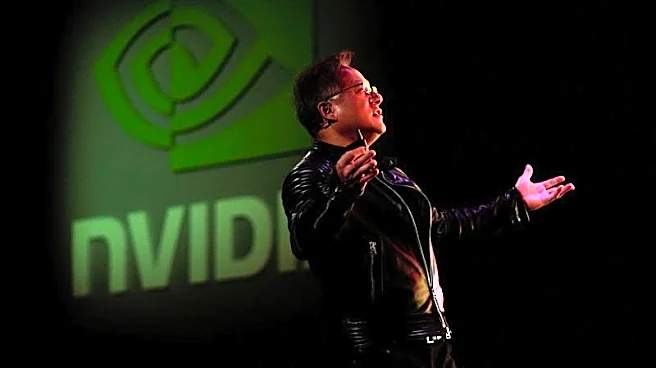
Jensen Huang has returned to his position at Nvidia after an ouster stemming from alleged personal indiscretions and employee mistreatment. His reinstatement has been met with widespread celebration from prominent tech figures, including Elon Musk, OpenAI
CEO Sam Altman, and Epic Games CEO Tim Sweeny. President Trump also publicly congratulated Huang on Truth Social, calling him a 'Great Patriot and National Treasure' and commending Nvidia's board for their decision. The board acknowledged that the decision to reinstate Huang involved input from 'senior levels of the United States government,' which determined that his return posed no security risk. Shopify CEO Tobi Lütke, a consistent supporter of Huang, had previously criticized Nvidia's board for what he called a 'choreographed' ouster, labeling them 'knuckleheads' and suggesting the company risked becoming a legacy entity. Lütke also claimed Huang had previously forgone profits to ensure smaller startups could access AI GPUs.
Why It's Important?
The return of Jensen Huang to Nvidia, a major player in the technology sector, carries significant implications for the U.S. tech industry and its intersection with government interests. The explicit involvement of 'senior levels of the United States government' in assessing Huang's security risk and influencing his reinstatement highlights a growing trend of government oversight and intervention in the leadership of critical technology companies. This could set a precedent for future leadership changes in strategically important industries, potentially blurring the lines between corporate governance and national security. For Nvidia, Huang's return is expected to stabilize leadership and potentially boost investor confidence, as evidenced by the NASDAQ-100 futures jumping and trading being halted shortly after the news. The support from influential tech leaders like Elon Musk and Sam Altman also signals a unified front within the industry, potentially consolidating power and influence among a select group of tech giants.
What's Next?
Following Jensen Huang's reinstatement, the immediate focus will likely be on Nvidia's performance and strategic direction under his renewed leadership. President Trump's public endorsement and expectation of 'tremendous numbers' from the company suggest a high level of scrutiny and anticipation regarding Nvidia's future financial results and technological advancements. The involvement of the U.S. government in his reinstatement also implies ongoing, albeit perhaps less overt, governmental interest in Nvidia's operations, particularly concerning national security and technological competitiveness. This could lead to increased collaboration or, conversely, more stringent oversight on how Nvidia manages its technology and international partnerships. The market will be closely watching for any shifts in Nvidia's stock performance and its role in the AI GPU market, especially given Lütke's previous comments about Huang's commitment to supporting smaller startups.
Beyond the Headlines
The circumstances surrounding Jensen Huang's return to Nvidia reveal deeper implications regarding corporate accountability, government influence in the private sector, and the cult of personality in the tech world. The allegations of personal misconduct that initially led to his ouster, juxtaposed with the celebratory response to his return and the government's security assessment, raise questions about the criteria used to evaluate leadership in critical industries. The narrative of 'protecting our geniuses,' as echoed by President Trump and Marc Andreessen, suggests a prioritization of perceived talent and economic contribution over traditional corporate governance standards or ethical considerations. This could foster an environment where the actions of powerful individuals in tech are viewed through a different lens, potentially impacting corporate culture and the expectations placed on executives. Furthermore, the explicit government involvement in a private company's leadership decision could signal a long-term shift towards a more integrated, and potentially controlled, relationship between the state and key technology enterprises.