


What's Happening?
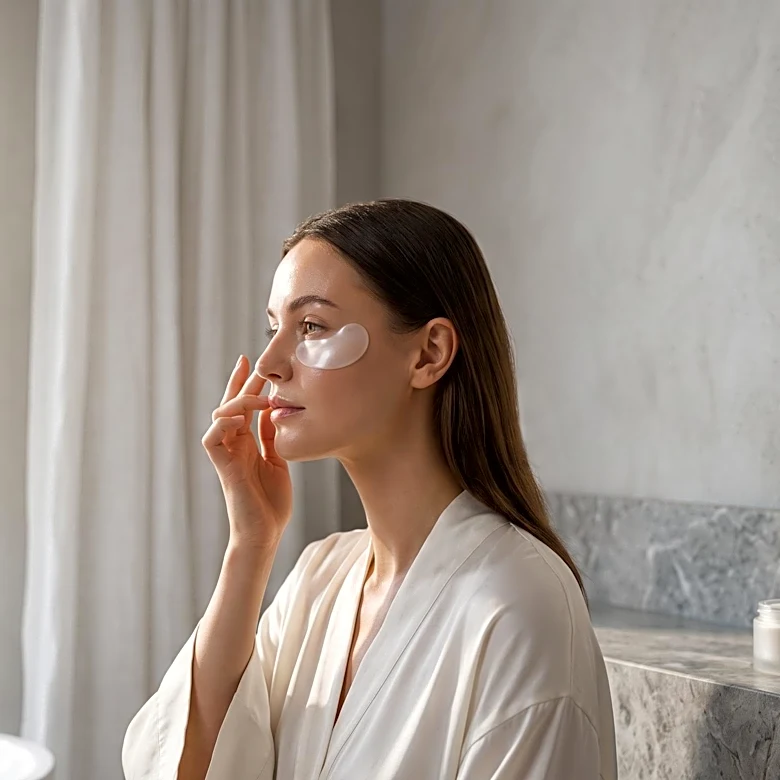
Skin cycling is a structured nighttime skincare routine, typically spanning four nights, designed to optimize the use of active ingredients while allowing the skin to recover. The routine generally begins with exfoliation on night one, followed by a retinoid
treatment on night two. Nights three and four are designated as recovery nights, focusing on hydration, soothing ingredients, and barrier support. This method aims to prevent irritation often associated with overuse of potent skincare products by timing their application and ensuring adequate recovery periods. The approach emphasizes that while active ingredients can improve skin texture, acne, discoloration, and signs of aging, they also demand more from the skin. By spreading out the application of exfoliating acids, retinoids, and other treatments, skin cycling helps reduce potential irritation, leading to a more polished and resilient complexion without constant tightness, flaking, or unexpected breakouts. The flexibility of the framework allows individuals to adjust the cycle based on their skin's comfort and stability, with oilier skin types potentially needing fewer recovery nights and sensitive skin requiring more.
Why It's Important?
This structured approach to skincare is important because it addresses a common issue in beauty routines: the potential for irritation and damage from overusing or improperly layering active ingredients. Many consumers, in an effort to achieve faster results, combine powerful exfoliants and retinoids without sufficient recovery time, leading to a compromised skin barrier, redness, and sensitivity. Skin cycling provides a clear, easy-to-follow framework that educates users on the importance of balance and recovery in skincare. By promoting intentional use of high-performance ingredients, it helps individuals achieve desired results like clearer pores and smoother texture more effectively and sustainably. This method can lead to healthier skin by preventing common pitfalls of aggressive routines, such as chronic inflammation or barrier disruption. For the beauty industry, it highlights a shift towards more mindful and strategic product usage, potentially influencing product formulations and marketing to align with cyclical application patterns and emphasizing skin barrier health.
What's Next?
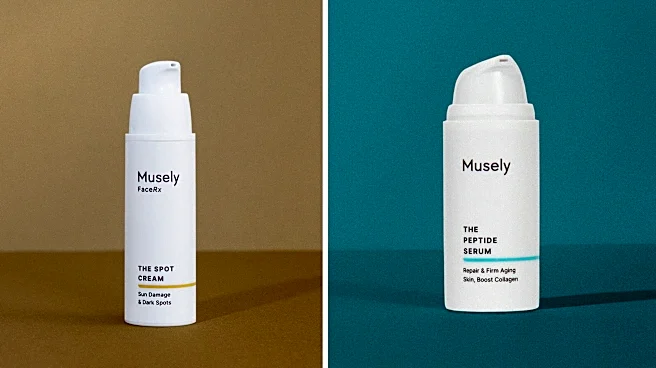
As the concept of skin cycling gains traction, consumers are likely to see an increased focus on product compatibility within a cyclical routine. Skincare brands may begin to market products specifically designed for each phase of skin cycling—exfoliation, retinoid treatment, and recovery—making it easier for consumers to build a cohesive routine. Educational content from dermatologists and beauty influencers will likely continue to promote the benefits of this method, further solidifying its place in mainstream skincare. There may also be a trend towards developing gentler yet effective active ingredients that can be more easily integrated into such structured routines, catering to a broader range of skin types, including sensitive skin. Furthermore, the emphasis on skin barrier health during recovery nights could lead to innovations in hydrating and soothing formulations, as consumers seek products that actively support skin repair and resilience.
Beyond the Headlines
Beyond its immediate benefits for skin health, skin cycling reflects a broader cultural shift towards mindful consumption and a more holistic approach to well-being. In an era of overwhelming product choices and rapid beauty trends, this method encourages a more deliberate and patient engagement with skincare, moving away from the 'more is better' mentality. It subtly promotes self-awareness, as individuals are encouraged to listen to their skin's needs and adjust their routines accordingly, rather than blindly following universal prescriptions. This approach could also foster a deeper understanding of skin physiology among consumers, empowering them to make informed decisions about their skincare. Ethically, it champions responsible product use, potentially reducing instances of skin damage and the subsequent need for corrective treatments, thereby promoting a healthier relationship between individuals and their beauty regimens. This mindful approach could extend to other areas of self-care, encouraging a more balanced and sustainable lifestyle.