
What's Happening?
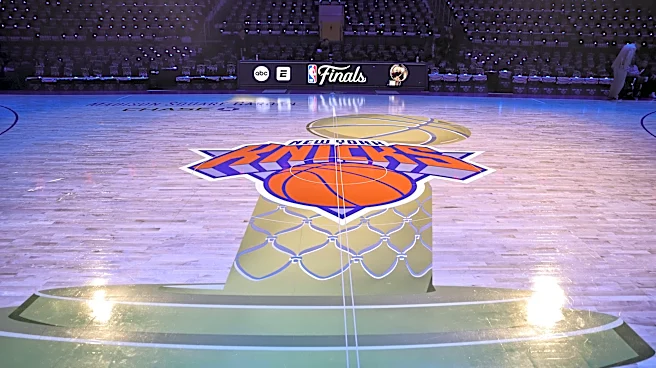
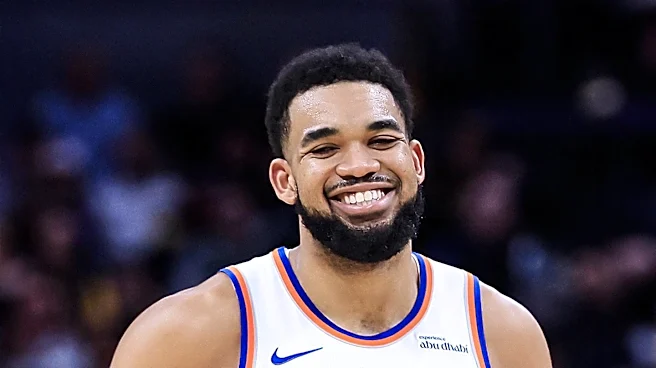
The New York Knicks, fresh off their first NBA championship in over five decades, are facing a significant contract decision involving star player Karl-Anthony Towns. Towns is eligible for a four-year, $272 million maximum contract extension. However,
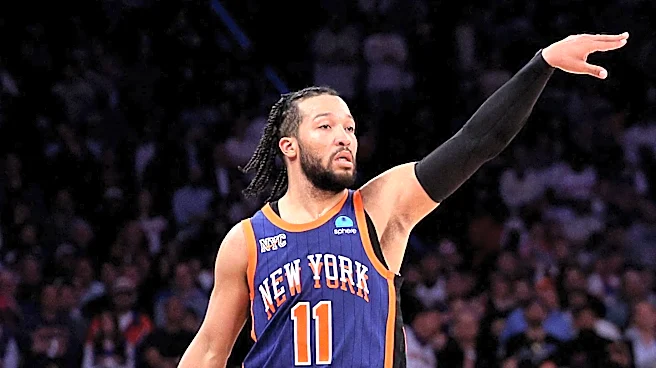
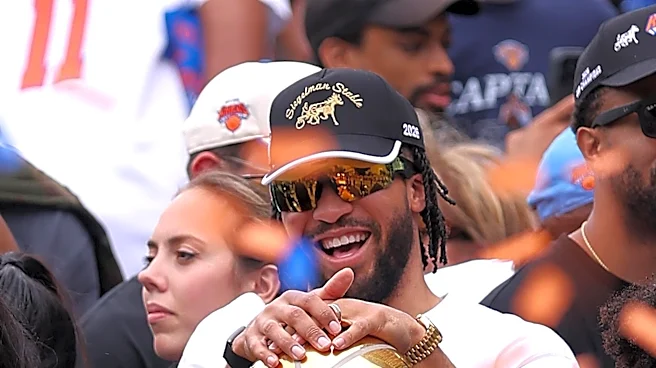
the Knicks, known for their cautious financial strategies, may not offer him a maximum deal. This decision is influenced by Jalen Brunson, who previously accepted a less lucrative contract to help the team build a championship-winning roster. Brunson's decision set a precedent within the organization, potentially affecting Towns' contract negotiations. Despite Towns' eligibility for a max deal last offseason, an agreement was not reached, and the situation remains unchanged.
Why It's Important?
The Knicks' decision on Towns' contract is crucial for maintaining their championship-winning team. Offering a max contract could strain the team's financial flexibility under the new Collective Bargaining Agreement (CBA), which poses challenges for retaining top talent. The outcome of these negotiations will impact the Knicks' ability to sustain their competitive edge in the NBA. If Towns accepts a less than maximum deal, it could set a trend for other players prioritizing team success over individual earnings. Conversely, if Towns insists on a max contract, it could lead to financial constraints, affecting the team's future roster decisions and championship aspirations.
What's Next?
The Knicks are expected to offer Towns an extension, but the terms remain uncertain. The team's decision-makers must balance financial prudence with the need to retain key players. Towns' response to the offer will be pivotal. If he accepts a non-max deal, it could reinforce a culture of financial sacrifice for team success. However, if he declines, the Knicks may face the challenge of either meeting his demands or risking his departure. The outcome will influence the team's strategy in upcoming seasons and their ability to compete at the highest level.