







What's Happening?
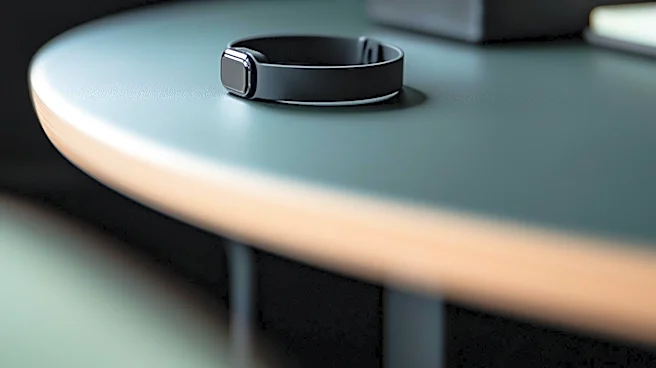
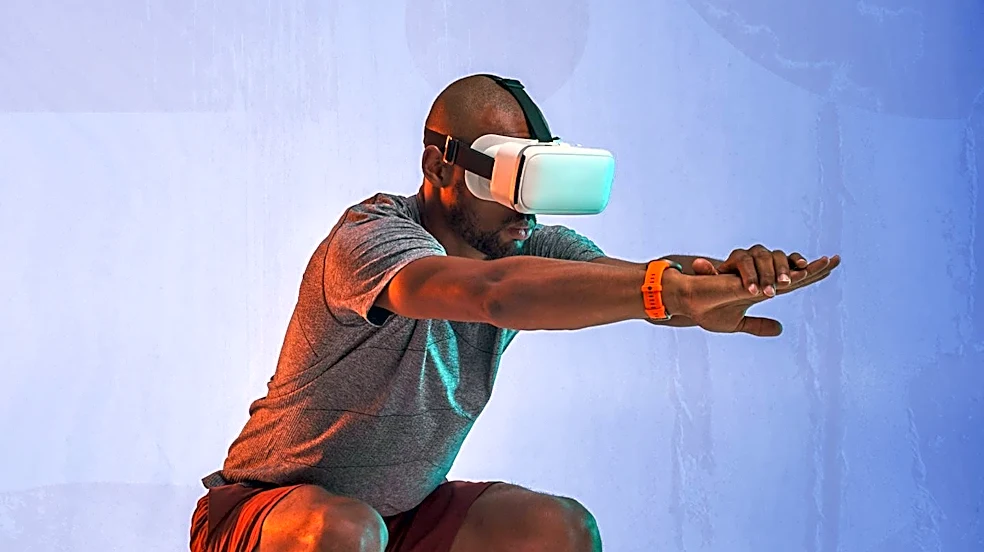
HOLOFIT, a virtual reality (VR) fitness platform, has announced support for compatible Bluetooth heart rate monitors. This integration allows users to track their heart rate in real-time while exercising on connected fitness machines such as rowing machines,
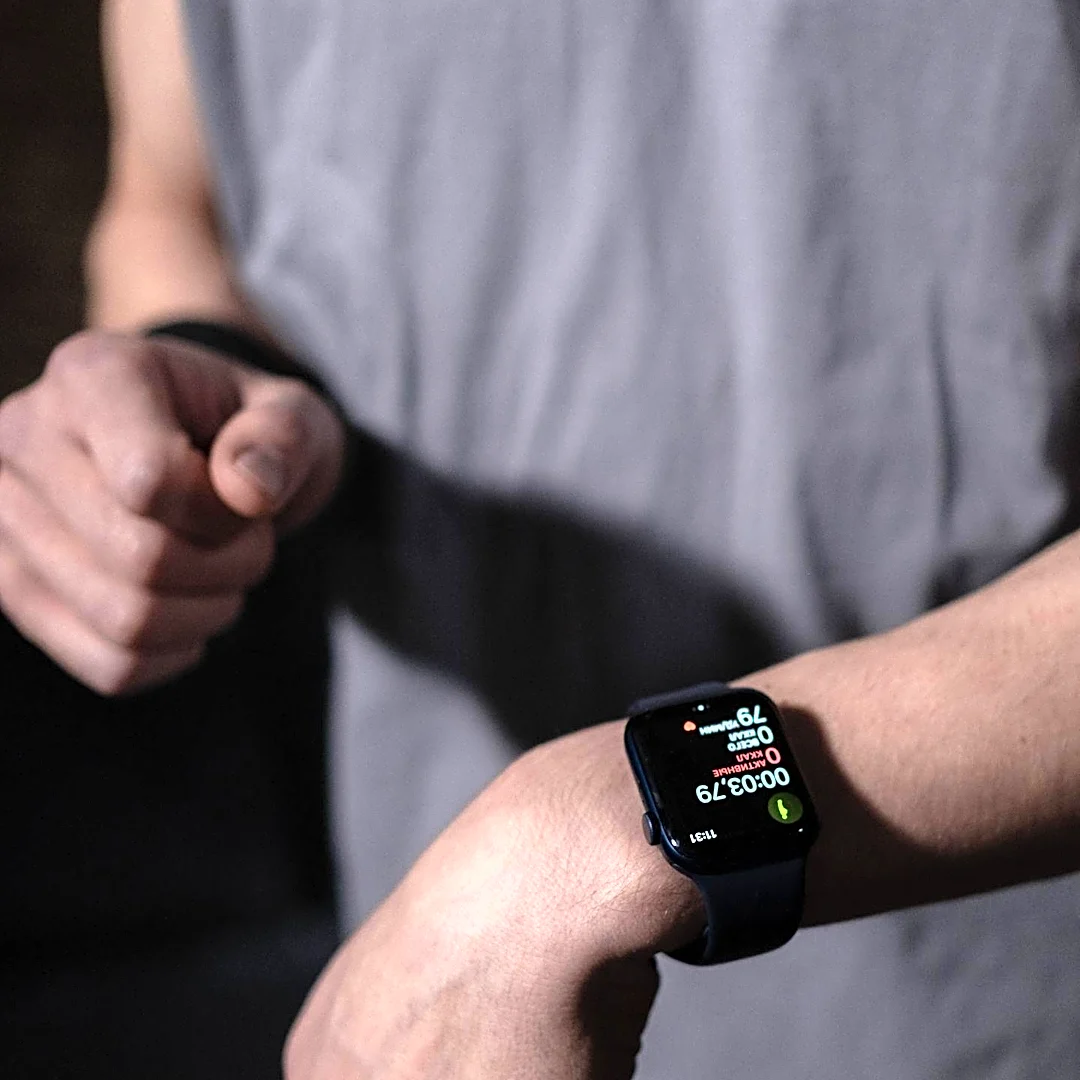
stationary bikes, and ellipticals. The platform currently supports physical heart rate monitors from brands like Polar and Wahoo, but does not officially support apps that emulate heart rate monitors via phones or smartwatches, such as Echo HR on Apple Watch. This feature aims to provide users with a deeper understanding of their workout intensity and recovery, enabling them to train smarter. Users can now combine VR workouts with fitness machines and heart rate monitoring to create a more engaging and data-informed exercise experience. The system also includes an effort curve to guide users through various workout types like HIIT, Interval Training, Fat Burn, and Cardio, where the heart rate monitor measures the body's actual effort during these intervals.
Why It's Important?
The integration of heart rate monitoring into VR fitness platforms like HOLOFIT signifies a growing trend in the fitness technology industry towards more personalized and data-driven workouts. For U.S. consumers, this means access to more sophisticated tools to optimize their exercise routines, potentially leading to improved health outcomes and greater engagement with fitness activities. The ability to track real-time heart rate during VR workouts can help individuals identify appropriate difficulty levels, monitor progress, and prevent overtraining or undertraining. This development could also impact the market for fitness wearables and VR equipment, as consumers may increasingly seek devices that offer seamless integration and comprehensive data tracking. Businesses in the fitness sector, particularly those offering VR solutions, stand to gain by providing enhanced user experiences that combine immersive entertainment with actionable physiological data, thereby attracting a broader customer base interested in innovative fitness solutions.
What's Next?
Moving forward, HOLOFIT users can expect to leverage their Bluetooth heart rate monitors to gain more precise insights into their workout performance. The platform's continued focus on integrating advanced tracking capabilities suggests potential future enhancements, such as more sophisticated analytics, personalized training recommendations based on heart rate data, and broader compatibility with various fitness devices. The company may also explore partnerships with heart rate monitor manufacturers to offer bundled solutions or exclusive features. For the broader VR fitness market, this integration sets a precedent for combining immersive experiences with physiological data, potentially driving other VR fitness providers to adopt similar features. Consumers can anticipate a more refined and effective VR fitness ecosystem, where the line between gaming and serious exercise continues to blur, offering engaging ways to stay active and healthy.
Beyond the Headlines
This development highlights a deeper shift in how technology is transforming personal fitness. The convergence of virtual reality, connected fitness equipment, and biometric data tracking moves beyond simple exercise to create a holistic wellness experience. Ethically, this raises questions about data privacy and security, as more personal health information is collected and processed by fitness platforms. Culturally, it could further normalize the use of technology in daily health routines, making advanced fitness tracking accessible to a wider demographic. The long-term implications include the potential for VR fitness to become a mainstream alternative or supplement to traditional gym memberships, especially as VR technology becomes more affordable and sophisticated. This trend could also influence urban planning and home design, with a greater emphasis on creating spaces conducive to immersive, technology-driven workouts, ultimately reshaping how individuals approach physical activity and well-being.