


What's Happening?
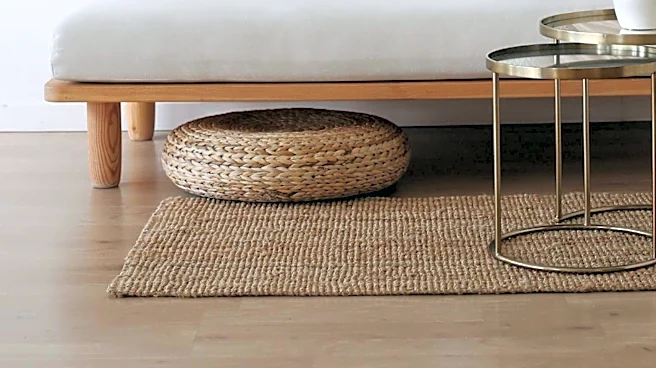
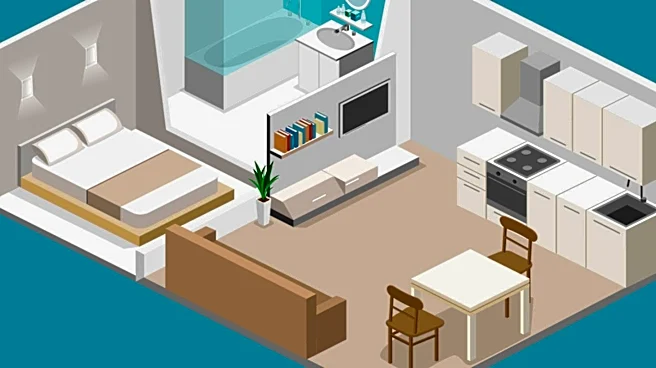
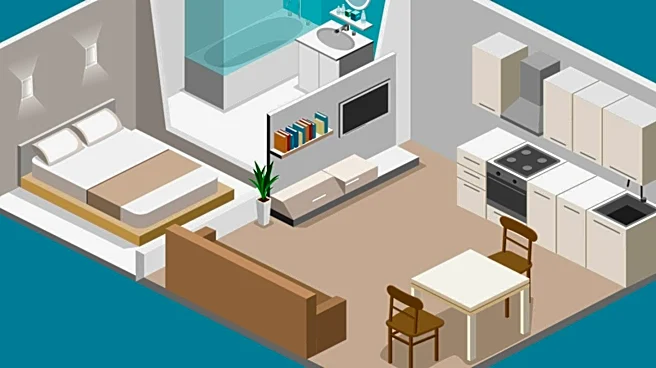
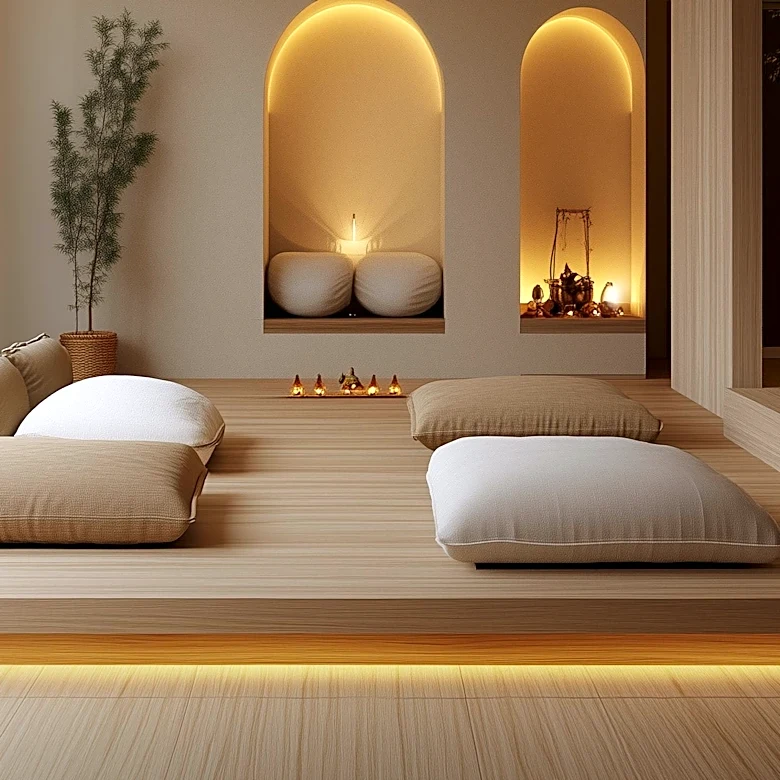
Studio apartment design principles are emphasizing the creation of calm, open, and highly functional living environments. Key strategies include the use of low platform beds to maintain an open feel and allow light to flow freely across the room. Sheer
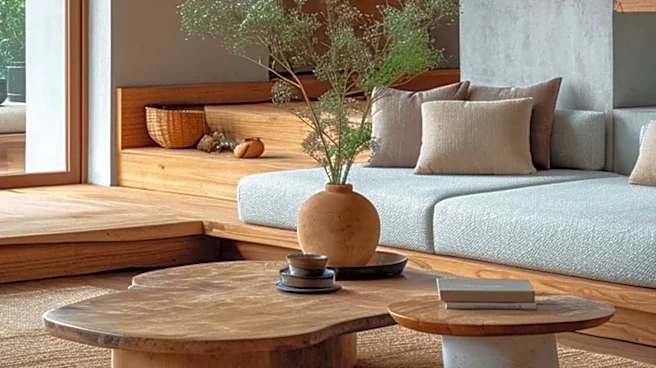
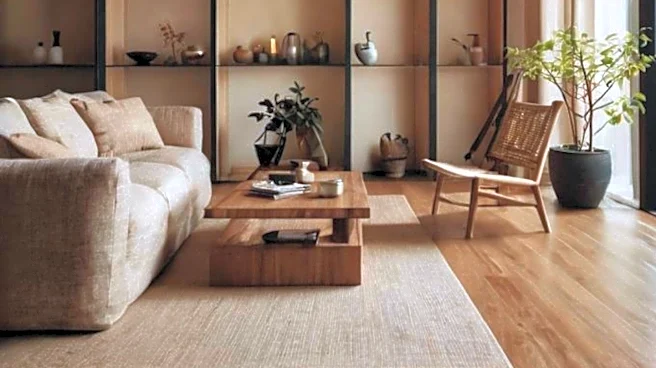
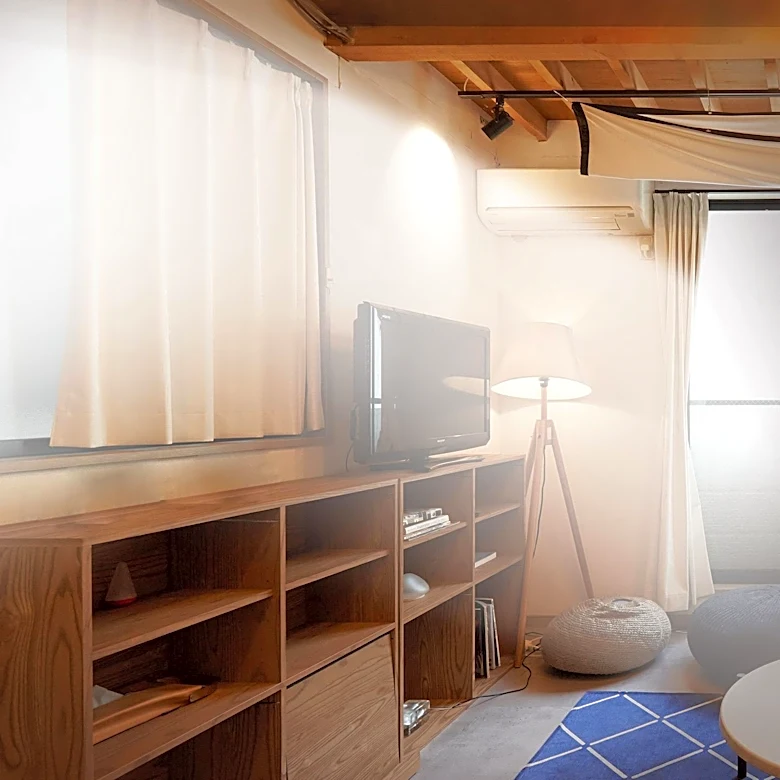
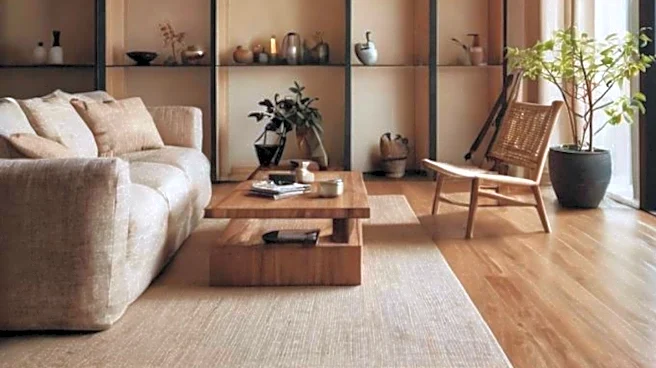
curtains are being utilized to soften natural daylight and provide privacy without obstructing brightness. The overall approach centers on establishing clear zones within the single living space to enhance organization and ease of living. Furniture placement is considered crucial, with recommendations to position sofas in well-lit areas and beds near the entrance, often screened by elements like bookcases. Additionally, color zoning is suggested as a method to visually delineate different functional areas within the studio, contributing to a sense of order and spaciousness. These design choices aim to make studio apartments feel larger and more comfortable, despite their compact nature.
Why It's Important?
The focus on calm, open, and functional design in studio apartments is significant for urban living, where smaller living spaces are increasingly common. This design philosophy directly addresses the challenges of maximizing utility and comfort in limited square footage, impacting residents' daily lives by reducing clutter and promoting a sense of well-being. For the real estate and interior design industries, these trends highlight a demand for innovative solutions that cater to compact living. Developers and designers who adopt these principles can attract a broader market segment seeking efficient and aesthetically pleasing small-space living. Furthermore, the emphasis on light and clear zones can positively influence mental health by creating less confined and more inviting home environments, which is crucial in densely populated urban areas where access to larger homes is often restricted.
What's Next?
As urban populations continue to grow and housing costs remain high, the demand for well-designed studio apartments is likely to increase. Future trends may see further innovations in multi-functional furniture and smart home technologies specifically tailored for small spaces, enhancing both functionality and aesthetic appeal. Designers may explore more advanced modular systems and customizable layouts to offer residents greater flexibility in adapting their living areas. We can also anticipate a rise in sustainable and minimalist design approaches within studio apartments, focusing on durable materials and reduced consumption. This evolution will likely influence architectural practices and product development, pushing manufacturers to create more compact, efficient, and stylish home furnishings and appliances suitable for these unique living environments.
Beyond the Headlines
The shift towards intentional design in studio apartments reflects broader societal trends, including a move towards minimalism and a greater appreciation for efficient, well-utilized spaces. This design philosophy challenges traditional notions of home size and luxury, suggesting that quality of living can be achieved through thoughtful design rather than sheer square footage. Ethically, it promotes more sustainable living by encouraging less consumption and making smaller footprints more desirable. Culturally, it could foster a greater sense of community in urban settings, as residents might spend more time in shared public spaces if their private living areas are optimized for specific functions. Legally, zoning laws and building codes might adapt to accommodate more innovative small-space living solutions, potentially influencing urban planning and housing policies in the long term.