





What's Happening?
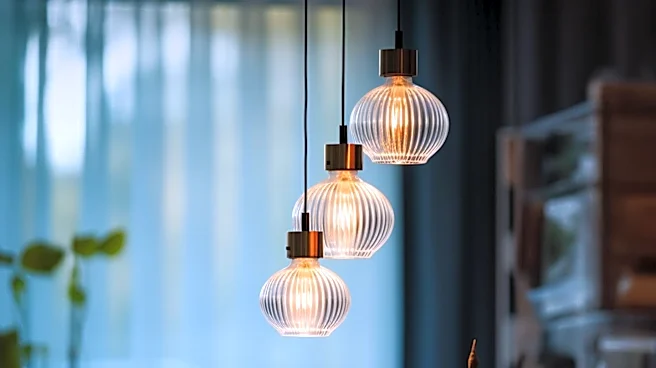
Dimmable ceiling lights are being highlighted as a simple yet effective solution for creating adaptable moods in loft conversions. Loft rooms often serve multiple functions, such as a bedroom, home office, or snug, requiring flexible lighting. The ability
to transition from bright, clear light during the day to a low, warm glow in the evening is made possible with a single set of dimmable fittings. Key considerations for successful implementation include compatible dimmers and bulbs, fittings suitable for sloping ceilings, and a layered lighting scheme that doesn't solely rely on ceiling fixtures. Modern ceiling lights, including semi-flush, pendant, and multi-light designs, are available that work with dimmable bulbs. The unique characteristics of loft rooms, such as varying headroom, abundant roof windows, and structural elements like beams, necessitate careful lighting design. Dimming helps balance artificial light with fading daylight, softens shadows, and allows for adjustment based on the room's current use.
Why It's Important?
The emphasis on dimmable lighting for loft conversions underscores a growing trend in residential design towards multi-functional spaces and personalized environments. For U.S. homeowners, this means greater control over their living spaces, enhancing comfort and utility. The flexibility offered by dimmable lights can increase property value by making loft conversions more appealing and practical for a wider range of uses. The market for lighting solutions, including smart bulbs and LED-compatible dimmers, is likely to see continued growth as consumers seek energy-efficient and customizable options. This trend also highlights the importance of professional installation to ensure compatibility and avoid common issues like flickering or buzzing, creating opportunities for electricians and lighting designers. The ability to adjust color temperature further caters to individual preferences, impacting well-being and productivity within the home.
What's Next?
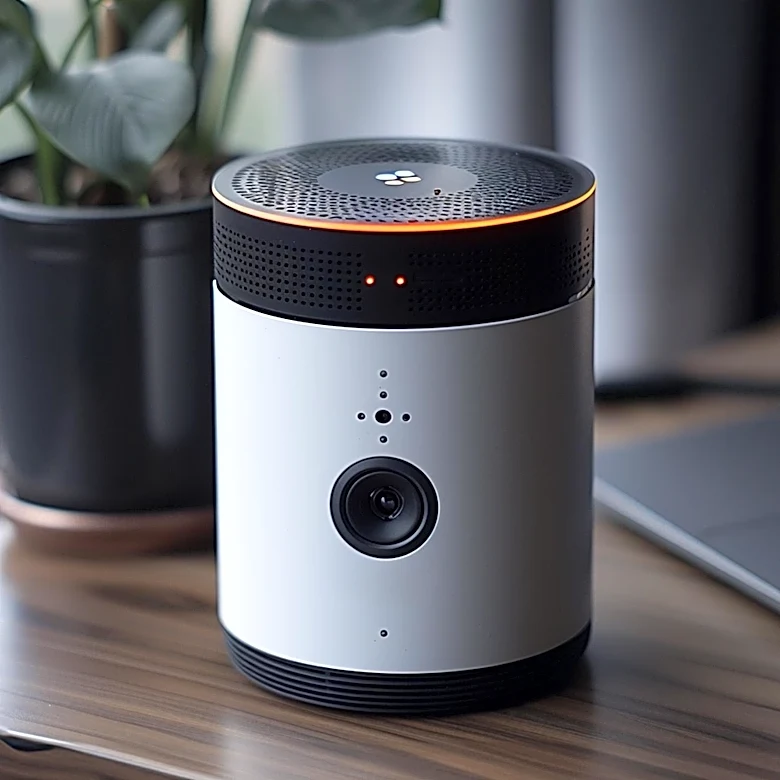
The future of lighting in residential spaces, particularly in adaptable areas like loft conversions, will likely see further integration of smart home technology. Smart bulbs, controllable via phone or voice assistants, offer an alternative to traditional dimmers and are particularly useful where rewiring is challenging. These systems allow users to set different lighting scenes for various times of day, enhancing convenience and customization. Continued advancements in LED technology will likely lead to more energy-efficient and versatile dimmable options. The industry will also focus on educating consumers and professionals about the importance of matching dimmers and bulbs to prevent common issues and ensure optimal performance. As more homes incorporate multi-functional rooms, the demand for sophisticated and flexible lighting solutions is expected to rise, driving innovation in product development and installation services.
Beyond the Headlines
The focus on mood lighting in loft conversions reflects a broader societal shift towards creating personalized and emotionally resonant living environments. Beyond mere illumination, lighting is increasingly recognized as a tool for influencing mood, productivity, and overall well-being. The ability to adjust light intensity and color temperature allows individuals to tailor their surroundings to specific activities or desired emotional states, from a bright, stimulating environment for work to a warm, calming glow for relaxation. This trend extends beyond residential spaces into commercial and hospitality sectors, where ambient lighting is used to enhance customer experience and brand identity. The ethical implications involve ensuring accessibility and ease of use for all individuals, as well as considering the environmental impact of lighting choices. Culturally, the emphasis on customizable lighting signifies a move away from one-size-fits-all design towards spaces that are highly responsive to individual needs and preferences.