



What's Happening?
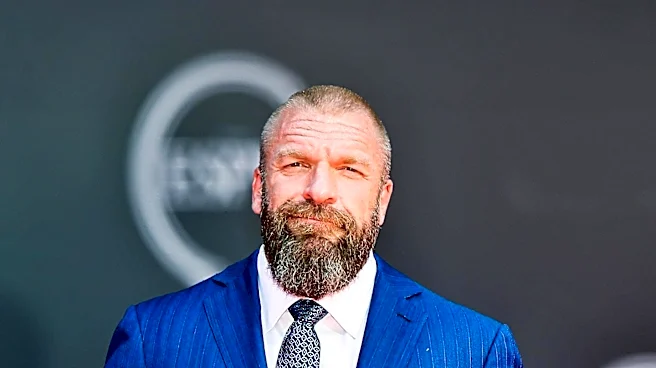
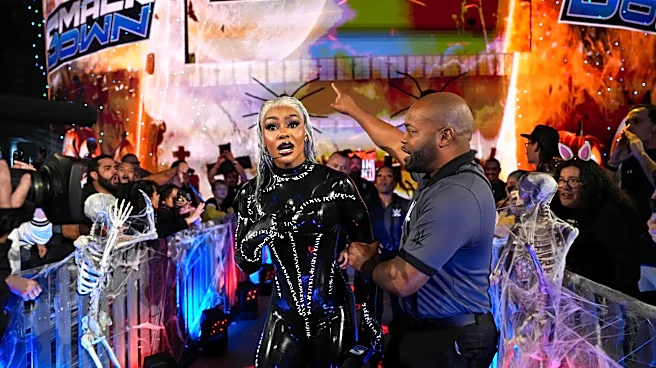
Under the leadership of board member 'Triple H' Paul Levesque and the new parent company TKO, WWE experienced a significant boom, further fueled by the recruitment of AEW co-founder Cody Rhodes and CM Punk. This period saw WWE's popularity soar, but recent
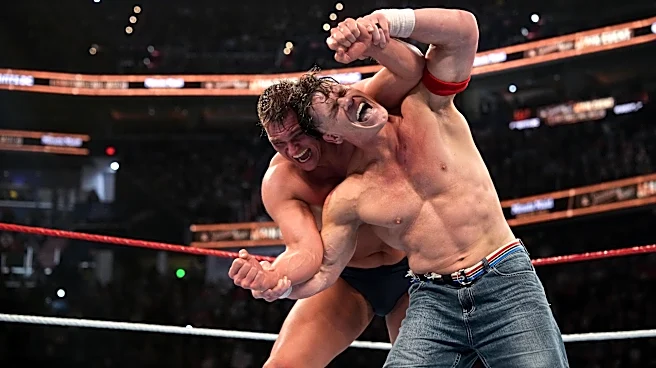
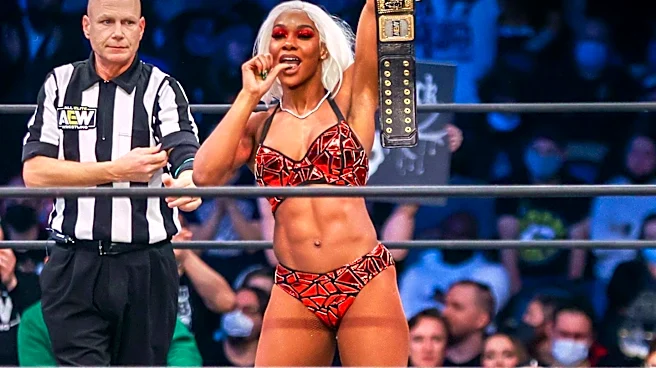
reports indicate a shift in the landscape. While WWE's high-flying phase has somewhat subsided, rival promotion All Elite Wrestling (AEW) has stabilized and is showing renewed growth. This dynamic was highlighted by AEW's recent victory in a direct TV ratings battle, where its show 'Dynamite' significantly outperformed WWE's 'NXT' among U.S. television viewers. Despite WWE's efforts to counter AEW's programming with star-studded lineups, including appearances by John Cena, Cody Rhodes, and CM Punk on NXT, AEW's 'Blood and Guts' themed episode garnered 792,000 viewers and a 0.24 rating in the 18-49 demographic, compared to NXT's 552,000 viewers and 0.13 rating.
Why It's Important?
This shift in viewership and ratings is important for the professional wrestling industry in the U.S., indicating a potential rebalancing of power between the two major promotions. WWE, traditionally the market leader, has actively tried to weaken AEW's programming through strategic scheduling and talent acquisitions. However, AEW's recent ratings win suggests that its fan base is stable and not easily swayed, challenging WWE's dominance. For advertisers and broadcasters, these ratings are crucial as they dictate ad revenue and future programming decisions. A stronger competitive landscape could lead to more innovative and engaging content from both companies as they vie for audience attention, ultimately benefiting wrestling fans. The success of AEW's 'Blood and Guts' event also demonstrates the appeal of specific match types and storytelling approaches to a significant portion of the audience.
What's Next?
The competitive dynamic between WWE and AEW is expected to intensify. WWE will likely re-evaluate its strategies for countering AEW's programming, potentially leading to further adjustments in its show formats, talent utilization, and scheduling. AEW, emboldened by its recent success, will likely continue to leverage its popular event types and unique storytelling to further solidify its fan base and attract new viewers. The industry will be closely watching future ratings battles, especially when both promotions air head-to-head, to gauge long-term trends. The continued competition could also influence talent contracts and movements between the two companies, as wrestlers seek opportunities in a more competitive market. Both promotions will be under pressure to deliver compelling content to maintain and grow their respective audiences.
Beyond the Headlines
The evolving competition between WWE and AEW reflects broader trends in media consumption and audience loyalty. In an increasingly fragmented media landscape, traditional market leaders face challenges from agile competitors who can carve out dedicated fan bases. This situation highlights the importance of authentic storytelling and fan engagement in retaining viewership, even when up against a well-established giant with significant resources. The 'shock' expressed by wrestling journalist Dave Meltzer regarding the ratings outcome underscores how deeply ingrained the perception of WWE's invincibility has been. This development could signal a more permanent shift towards a more balanced competitive environment in professional wrestling, potentially fostering greater creativity and diversity in the sport's presentation and narrative arcs.