

What's Happening?
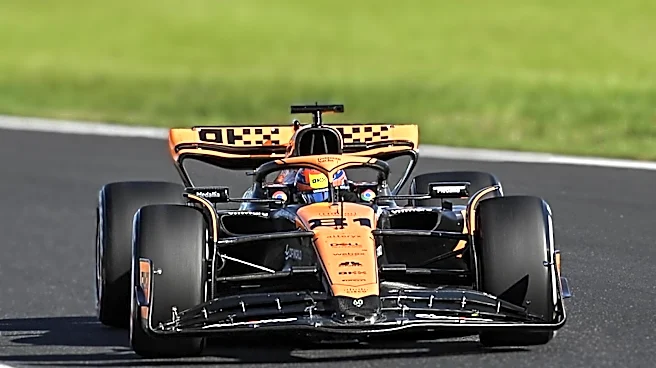
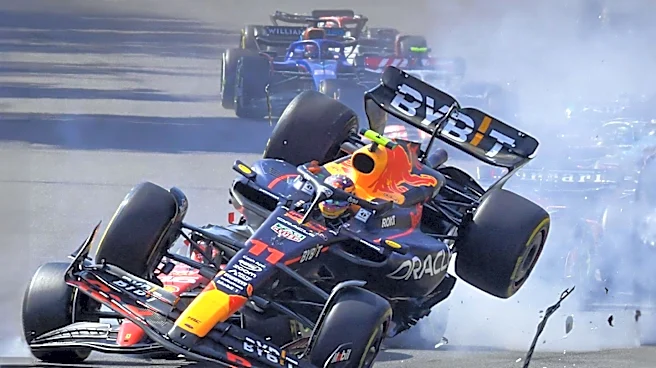
The collision between Oscar Piastri and Carlos Sainz at the Hungarian Grand Prix has sparked a debate over the current blue flag rules in Formula 1. The rules require slower cars to yield to faster ones at the earliest opportunity, but the incident highlighted
potential flaws in the system. The malfunctioning of the automatic blue flag system during the race led to confusion and penalties, raising questions about the fairness and practicality of the rules. Conor Daly, an IndyCar driver, and other experts have weighed in, suggesting that the rules may be too stringent and could be adjusted to better reflect the realities of racing.
Why It's Important?
The blue flag rules are crucial for maintaining order and safety in Formula 1 races, but their current implementation may be too rigid, potentially disadvantaging drivers. The debate highlights the need for a balance between ensuring fair competition and allowing drivers to race effectively. The incident has implications for how races are managed and could lead to changes in regulations that affect all teams and drivers. Ensuring that rules are both fair and enforceable is essential for the integrity of the sport and the satisfaction of its participants and fans.
What's Next?
The FIA may consider revising the blue flag rules to address the concerns raised by the Hungarian Grand Prix incident. This could involve consultations with teams and drivers to develop a more flexible approach that accommodates the dynamic nature of racing. Any changes would need to be carefully evaluated to ensure they enhance the sport without compromising safety. The ongoing discussions are likely to influence future race management and could lead to broader regulatory changes in Formula 1.