
What's Happening?
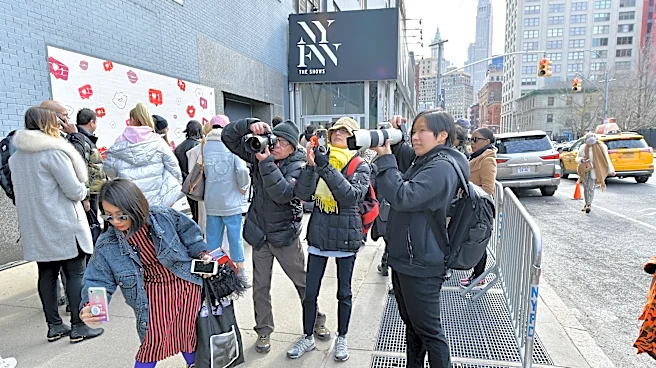
The fashion industry in New York City is highlighting the crucial role of fashion models and digital creators in showcasing designs and promoting brands. New York, recognized as a global fashion capital,
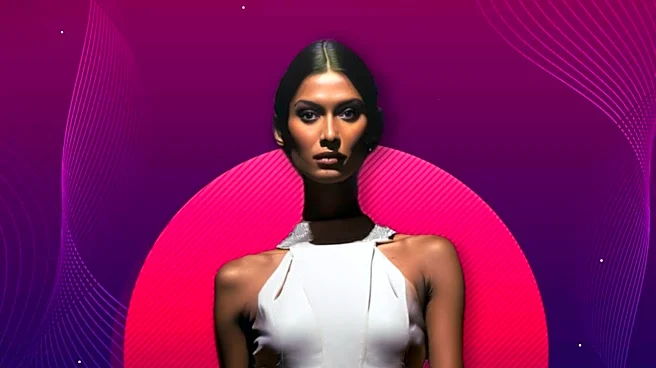
offers a diverse pool of talent essential for elevating fashion projects. The industry categorizes models into editorial models, who appear in magazine spreads; commercial models, featured in advertisements; and runway models, who present the latest trends in fashion shows. Beyond traditional modeling, the rise of social media has amplified the influence of digital creators, who are now considered significant partners in fashion branding. Brands are encouraged to work with reputable model agencies, utilize online platforms like Model Mayhem and Instagram for scouting, and approach models professionally with clear project details and benefits. Establishing clear communication, fostering creativity, and ensuring a comfortable environment for models are also emphasized as key to productive working relationships. Legal considerations, particularly understanding and navigating modeling contracts, are deemed essential for protecting the interests of both brands and models.
Why It's Important?
The emphasis on both traditional fashion models and digital creators underscores a significant shift in how fashion brands engage with their audience and market their products. For U.S. fashion brands, this means a dual strategy is increasingly necessary: leveraging the established credibility and visual impact of professional models while simultaneously tapping into the broad reach and authentic engagement offered by digital influencers. This approach impacts marketing budgets, talent acquisition strategies, and overall brand messaging. Brands that effectively integrate both types of talent stand to gain a competitive edge by reaching diverse demographics through multiple channels. The legal guidance on contracts is crucial for mitigating risks and ensuring fair practices within the industry, protecting both established brands and emerging talent. This evolving landscape also creates new opportunities for models and digital creators, expanding their avenues for collaboration and career development within the dynamic U.S. fashion market.
What's Next?
As the fashion industry continues to evolve, the integration of digital creators into branding strategies is expected to deepen, potentially leading to more sophisticated collaboration models and performance metrics. Brands will likely invest further in identifying and partnering with digital creators whose aesthetics and audience demographics align closely with their brand identity. There may also be an increased focus on developing standardized legal frameworks for collaborations with digital creators, similar to those for traditional models, to ensure clarity and protection for all parties. Furthermore, the ongoing technological advancements in digital content creation could lead to new forms of fashion presentation, potentially blurring the lines between traditional modeling and virtual showcases. The industry will likely see continued innovation in how fashion is presented and consumed, driven by both human talent and digital advancements.
Beyond the Headlines
The growing reliance on digital creators in fashion branding raises broader questions about authenticity, influence, and the future of traditional media. While digital creators offer direct access to niche audiences and often foster a sense of relatability, there are ethical considerations regarding transparency in sponsored content and the potential for influencer fatigue. The industry may face challenges in maintaining artistic integrity and brand prestige as it navigates the commercial aspects of digital influence. Moreover, the emphasis on digital platforms could further democratize fashion, allowing smaller brands and independent designers to gain visibility without the need for traditional, high-cost advertising campaigns. This shift could also impact fashion education and talent development, with a greater focus on digital literacy and content creation skills for aspiring professionals in the field. The long-term implications could include a redefinition of what constitutes 'fashion authority' and how trends are disseminated and adopted.