




What's Happening?
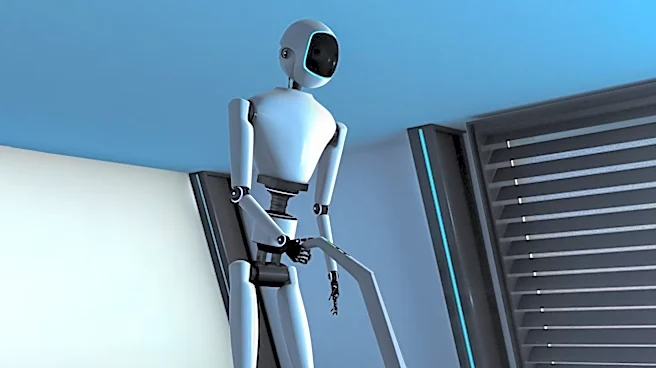
Apptronik, an Austin, Texas-based company specializing in humanoid robots, has incorporated battery swapping systems into its Apollo robots. This development aims to significantly reduce downtime and improve the operational productivity of these robots in industrial
settings such as manufacturing, warehouses, and retail. Battery swapping offers an alternative to conventional charging by allowing a depleted battery to be replaced with a fully charged one, enabling the robot to resume operations almost immediately. While the robot continues its tasks, the removed battery recharges independently. This system is being adopted by various manufacturers, including UBTECH with its Walker S and Agibot with the A2-W, highlighting a growing trend in the humanoid robot industry to optimize operational efficiency. The process can be manual, requiring an operator, or autonomous, where the robot navigates to an exchange station to swap its battery, with autonomous exchanges potentially completing in as little as three minutes.
Why It's Important?
The integration of battery swapping systems by companies like Apptronik is crucial for the broader adoption and economic viability of humanoid robots in U.S. industries. By minimizing downtime, these robots can achieve higher operational autonomy and a better return on investment (ROI) for businesses. This is particularly significant in sectors like manufacturing and logistics, where continuous operation is key to efficiency and cost-effectiveness. The ability to quickly swap batteries means robots can work longer shifts without interruption, directly impacting productivity metrics. Furthermore, battery swapping can extend the lifespan of batteries by allowing for slower, less stressful charging cycles compared to rapid charging, which can degrade battery health over time. This not only reduces replacement costs but also contributes to the sustainability of robotic operations. The increased demand for batteries due to swapping systems is projected to boost the global battery market for humanoid robots to 10.5 GWh by 2037, indicating a substantial economic impact.
What's Next?
The adoption of battery swapping systems is expected to drive further innovation in humanoid robot design and battery technology. As more manufacturers integrate these systems, there will likely be a push for standardized battery modules and swapping infrastructure to facilitate interoperability and efficiency across different robot platforms. The economic viability of battery swapping, especially in industrial environments where productivity gains are substantial, will encourage wider implementation. IDTechEx forecasts a significant increase in global demand for humanoid robot batteries, reaching 10.5 GWh by 2037, driven by both the growing deployment of these robots and the widespread use of battery swapping. This will spur advancements in battery technologies, including lithium-ion, solid-state, and lithium-sulfur batteries, and their cathode compositions, to meet the evolving performance and economic requirements of humanoid robots.
Beyond the Headlines
The shift towards battery swapping in humanoid robots has deeper implications beyond immediate productivity gains. It signifies a strategic move to address one of the primary limitations of mobile robotics: energy management and operational continuity. This approach could set a precedent for other battery-powered industrial equipment, potentially leading to a broader ecosystem of swappable power solutions. Ethically, increased robot autonomy and continuous operation raise questions about human-robot collaboration and the future of work, particularly in roles where robots can now perform tasks with minimal human intervention. Legally, the safety protocols for autonomous battery swapping and the disposal or recycling of a larger volume of batteries will become increasingly important. Culturally, the sight of highly autonomous robots seamlessly managing their own power needs could further normalize advanced robotics in everyday industrial and commercial settings, accelerating public acceptance and integration of these technologies into society.