
What's Happening?
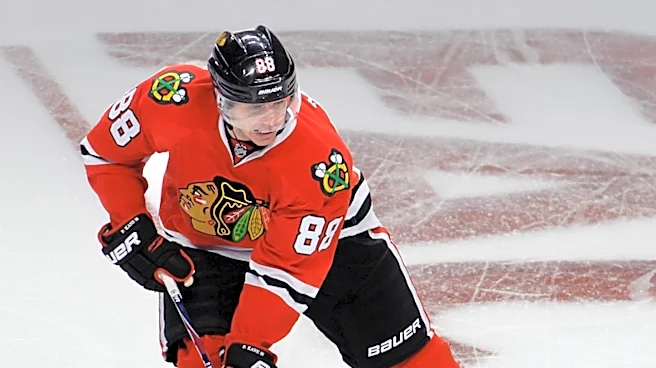
The Chicago Blackhawks' front office has seen a slight improvement in its annual fan survey ranking, moving up one spot to No. 24 in the league from No. 25 last year, according to results published by
Dom Luszczyszyn at The Athletic. This survey, which gathered over 10,000 responses from fans grading their own teams and nearly 500 grading every team, reflects ongoing fan sentiment. Despite the marginal rise, the front office, led by General Manager Kyle Davidson, continues to face criticism regarding recent decisions. Key areas of concern include the trade to acquire defenseman Bowen Byram and the draft selection of Artyom Levshunov over Ivan Demidov. Fans also question the team's strategy in addressing offensive needs, with some wondering why more aggressive moves weren't made for players like Pavel Dorofeyev or Mavrik Bourque. The perception among some is that there has been 'a lot more harm so far' in the rebuild, despite Davidson's stated commitment to a meticulous long-term vision.
Why It's Important?
This slight improvement in the Blackhawks' front office ranking, while modest, highlights the ongoing challenge of managing fan expectations during a rebuilding phase in professional sports. The persistent criticism, particularly concerning player acquisitions and draft choices, underscores a disconnect between the front office's strategic vision and the immediate desires of the fanbase. For the Blackhawks, maintaining fan engagement and confidence is crucial for long-term success, affecting everything from ticket sales and merchandise to the team's ability to attract future talent. The perception of a 'rudderless ship' can erode trust and patience, potentially impacting the organization's market value and brand image. Conversely, the front office's commitment to a long-term plan, even if unpopular in the short term, could yield significant benefits if successful, demonstrating the importance of strategic patience versus immediate gratification in sports management. The debate over specific player decisions, such as the Byram trade or draft picks, reflects the high stakes involved in every move made by an NHL franchise.
What's Next?
The Blackhawks' front office will likely continue to navigate fan and media scrutiny as the team progresses through its rebuilding phase. General Manager Kyle Davidson's strategy, which emphasizes long-term flexibility and careful asset management, will be continuously evaluated based on on-ice performance and future player development. Decisions regarding the 'core' players, such as Connor Bedard, Frank Nazar, Alex Vlasic, and Bowen Byram, who have received significant commitments, will be critical in shaping the team's future. The development of young players, including those like Artyom Levshunov and Sam Rinzel, will be closely watched, as defensemen typically require more time to mature. The front office's ability to make impactful veteran acquisitions while maintaining salary cap flexibility will also be a key factor. Future fan surveys and media analyses will continue to gauge the effectiveness of Davidson's plan, with the ultimate measure of success being the team's competitive standing and sustained performance in the league.
Beyond the Headlines
The narrative surrounding the Blackhawks' front office extends beyond mere rankings, touching upon the broader philosophical debate in professional sports between immediate competitiveness and long-term strategic development. The 'perception vs. reality' dynamic highlighted in the report reflects how fan sentiment, often influenced by recent outcomes and media commentary, can diverge from an organization's internal strategic rationale. This situation underscores the ethical responsibility of sports management to communicate its vision effectively while also acknowledging and addressing fan concerns. The emphasis on 'keeping books clean for the long term' and retaining flexibility for future impactful acquisitions speaks to a modern approach to team building that prioritizes sustainable success over short-term fixes. This long-term view, while potentially frustrating for fans eager for immediate wins, aims to build a robust and resilient franchise. The ongoing discussion about specific player choices also highlights the subjective nature of talent evaluation and the inherent risks in drafting and trading, where hindsight often offers a clearer, yet unavailable, perspective.