





What's Happening?
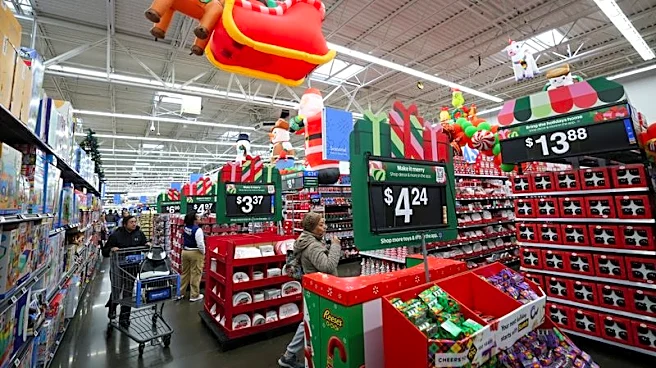
As Black Friday 2026 commences, major U.S. retailers like Amazon, Target, and Walmart are offering substantial discounts across various product categories. Shoppers can find deals of 50% off or more on items ranging from electronics to home essentials
and beauty products. Notable tech deals include the Amazon Echo Show 8, available at an all-time low price, and a Roku TV for $80. In the beauty sector, Urban Decay Cosmetics Face Bond Luminizer Waterproof Liquid Highlighter is priced at $8, and Medicube Exosome Facial Serum is discounted by 71%. Home goods feature a 'TODAY Loves Food' cookbook over 60% off, and a Fullstar The Original Pro Chopper. These deals are curated by Shop TODAY editors who utilize price trackers to ensure the authenticity and value of the discounts, focusing on products previously recommended or staff-tested. The sales extend beyond traditional Black Friday, with some retailers offering early access to these promotions.
Why It's Important?
The widespread Black Friday sales are crucial for the U.S. retail sector, serving as a significant driver of consumer spending during the holiday season. These deep discounts stimulate demand, helping retailers clear inventory and boost annual revenue. For consumers, these sales offer an opportunity to purchase high-value items at reduced prices, potentially easing financial burdens during a period of increased expenditure. The competitive nature of Black Friday encourages innovation in pricing strategies and marketing from retailers, impacting their profitability and market share. The emphasis on online deals also highlights the continued shift towards e-commerce, influencing logistics, supply chain management, and digital marketing investments across the industry. The success of Black Friday sales often provides an early indicator of overall holiday season retail performance, affecting investor confidence and economic forecasts.
What's Next?
Following Black Friday, retailers will transition into Cyber Monday, which falls on November 30, 2026. Historically, deals between these two events have become increasingly similar, with some brands maintaining consistent discounts while others offer new or deeper promotions. Consumers can anticipate continued online-focused sales, particularly in categories like technology, beauty, and apparel. Retailers will closely monitor sales data from both Black Friday and Cyber Monday to assess consumer behavior and adjust strategies for the remainder of the holiday shopping season. The performance during this period will likely influence inventory management and promotional activities leading up to Christmas and into the new year. Shoppers are advised to continue using price trackers to identify genuine deals as the holiday shopping period progresses.
Beyond the Headlines
The intense focus on Black Friday and Cyber Monday sales reflects broader trends in consumer culture and retail strategy. The 'deal-hunting' mentality fostered by these events can lead to impulse purchases, raising questions about sustainable consumption and the environmental impact of mass production and shipping. Furthermore, the reliance on deep discounts can devalue products in the long term, potentially pressuring brands to constantly offer promotions, which might affect profit margins and product quality. The curated nature of these deals, as highlighted by Shop TODAY editors, also underscores the growing influence of media and influencers in guiding consumer choices, shifting traditional advertising models. This period also brings to light the logistical challenges faced by shipping carriers and retailers, testing the resilience of supply chains under immense demand.