



What's Happening?
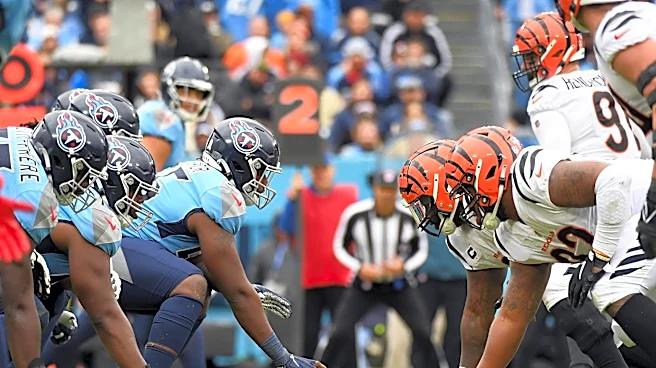
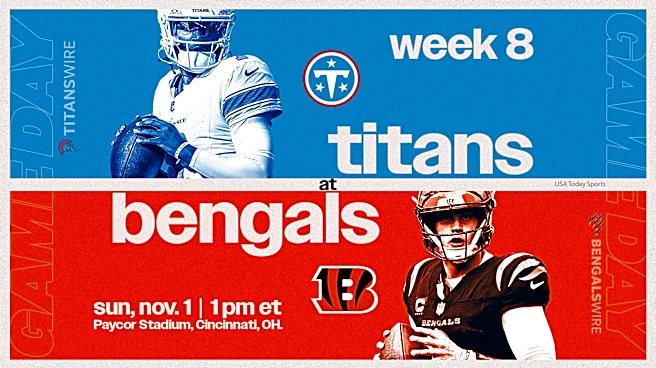
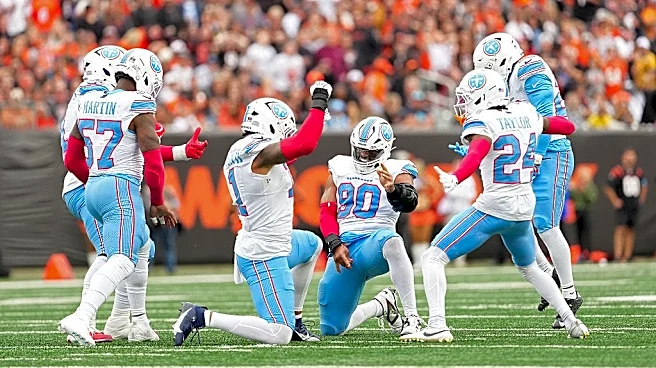
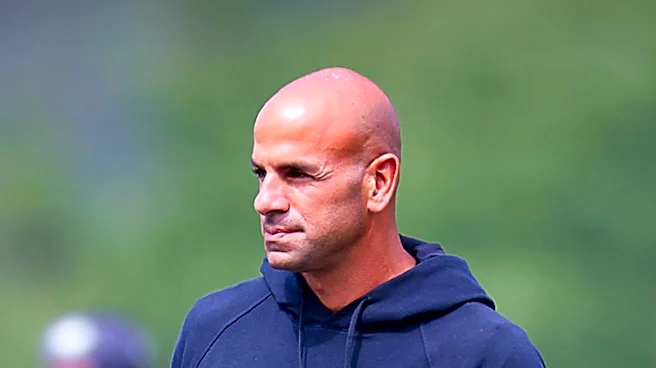
The Tennessee Titans' Week 8 performance against the Cincinnati Bengals, a 43-36 overtime loss, is being viewed as a testament to head coach Robert Saleh's leadership following the surprising trade of star defensive tackle Jeffery Simmons to the Chicago
Bears. Many expected the Titans to be overwhelmed after losing Simmons, a key player and leader. However, the team played a competitive game, going 'blow-for-blow' with the Bengals' high-scoring offense. This resilience is attributed to Saleh's ability to maintain locker-room culture and leadership, a quality for which he is highly regarded and which contributed to his second head-coaching opportunity. The team reportedly had a successful practice immediately after the trade, further indicating Saleh's positive influence on team morale despite a challenging 1-7 record.
Why It's Important?
The Titans' competitive showing after trading Jeffery Simmons is crucial for validating Robert Saleh's leadership and the team's internal culture. In the NFL, losing a franchise cornerstone can often lead to a collapse in team morale and performance. The fact that the Titans remained competitive suggests that Saleh has successfully fostered a resilient and cohesive locker room. This is vital for the team's long-term development, especially as they navigate a rebuilding phase. For fans and management, this performance provides a glimmer of hope and confidence in Saleh's ability to lead, even if the win-loss record is poor. It indicates that the team is still fighting and responding to coaching, which is a fundamental requirement for any successful rebuild. This also differentiates Saleh's approach from previous coaching tenures, where such adversity might have led to the team 'quitting.'
What's Next?
Robert Saleh faces the ongoing challenge of rallying his team and maintaining their competitive spirit throughout the remainder of the season, especially after trading a key player like Jeffery Simmons. The Titans are expected to continue their rebuilding efforts, potentially making more moves before the trade deadline. Saleh's ability to keep the team engaged and focused on tangible improvements, despite a likely poor win-loss record, will be under scrutiny. The development of younger players and the emergence of new leaders will be critical. The team's performance in upcoming games will continue to be a test of Saleh's leadership and his capacity to instill a fighting mentality, which will be essential for building a foundation for future success.
Beyond the Headlines
The Titans' response to the Simmons trade highlights a deeper aspect of NFL coaching: the psychological management of a team during adversity. In a league driven by results, Saleh's ability to maintain team cohesion and effort despite a losing record and the departure of a star player speaks volumes about his leadership style. This situation underscores that coaching is not just about X's and O's, but also about motivating athletes and preserving a positive team culture. The contrast drawn with former coach Brian Callahan suggests that while on-field results are paramount, the manner in which a team handles setbacks can be equally indicative of a coach's long-term potential. This scenario could serve as a case study for how leadership can mitigate the immediate negative impacts of significant roster changes and lay groundwork for future resilience.