





What's Happening?
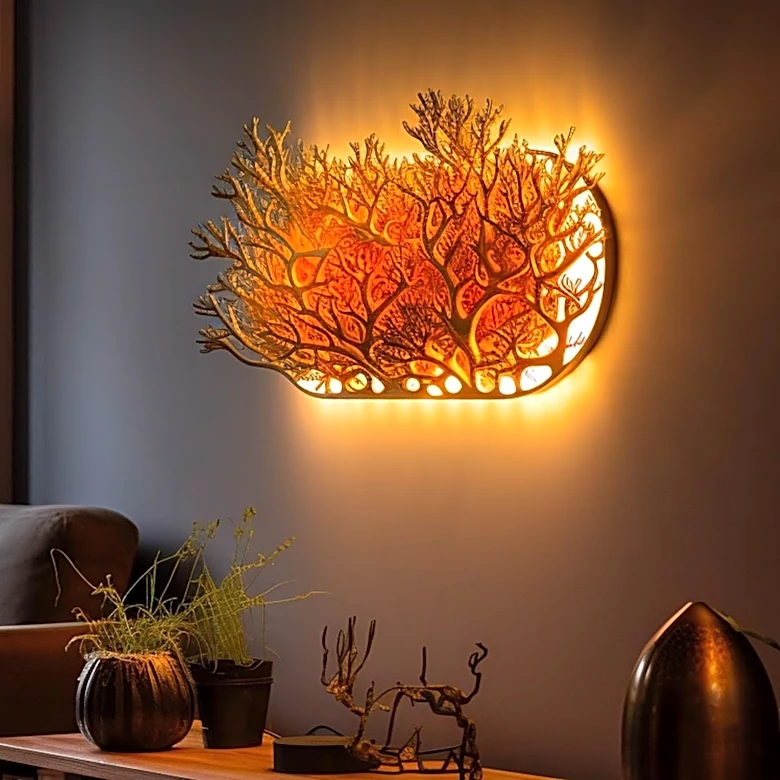
The trend of incorporating botanical wall art into U.S. home decor is gaining significant traction, with a focus on creating serene and inviting atmospheres, particularly in bedrooms. This trend encompasses a variety of styles, from delicate floral prints
and intricate botanical illustrations to vibrant nature photography and botanical tapestries. Homeowners are choosing art that complements their existing decor, whether it's modern minimalist, rustic farmhouse, shabby chic, French country, or tropical-inspired. The selection process involves considering the room's color palette, the size and scale of the artwork relative to the wall and furniture, and personal preferences. The aim is to infuse spaces with nature's beauty, promoting relaxation and rejuvenation. The trend highlights the versatility of botanical art in enhancing various interior aesthetics, making it a popular choice for those looking to refresh their living spaces.
Why It's Important?
This trend reflects a broader shift in U.S. consumer preferences towards creating more calming and personalized home environments. The emphasis on natural elements and serene aesthetics can positively impact mental well-being, offering a retreat from the stresses of daily life. For the home decor industry, this signifies a growing market for botanical-themed products, including prints, illustrations, tapestries, and frames. Businesses specializing in wall art and interior design can capitalize on this demand by offering diverse collections that cater to various styles and preferences. The trend also encourages a more thoughtful approach to decorating, where art is chosen not just for aesthetic appeal but also for its ability to evoke specific moods and enhance the overall ambiance of a room. This focus on intentional design can lead to more sustainable and meaningful consumption patterns in the long run.
What's Next?
As the popularity of botanical wall art continues, consumers can expect to see an even wider array of options from retailers and artists. This may include more customizable pieces, collaborations between artists and home decor brands, and the integration of botanical themes into other home furnishings. Interior designers will likely incorporate these elements more frequently into their projects, further solidifying the trend's presence in the U.S. market. There may also be an increase in DIY botanical art projects, as individuals seek to create personalized and unique pieces for their homes. The trend could also influence architectural design, with a greater emphasis on bringing natural light and greenery into living spaces to complement the botanical art. Furthermore, the market might see a rise in eco-friendly and sustainably sourced botanical art options, aligning with growing environmental consciousness among consumers.
Beyond the Headlines
The rise of botanical wall art goes beyond mere aesthetics; it taps into a deeper human desire for connection with nature, often referred to as biophilia. In an increasingly urbanized and digital world, bringing elements of the natural environment indoors can have profound psychological benefits, reducing stress and improving mood. This trend also highlights a cultural appreciation for craftsmanship and the beauty of the natural world, moving away from mass-produced, generic decor. It encourages individuals to curate their living spaces with intention, reflecting their personal values and aspirations for tranquility and well-being. The ethical implications could involve supporting local artists and sustainable practices in art production, fostering a more conscious consumer culture within the home decor sector. This shift suggests a long-term re-evaluation of what constitutes a 'home' – not just a shelter, but a sanctuary that nurtures the soul.