







What's Happening?
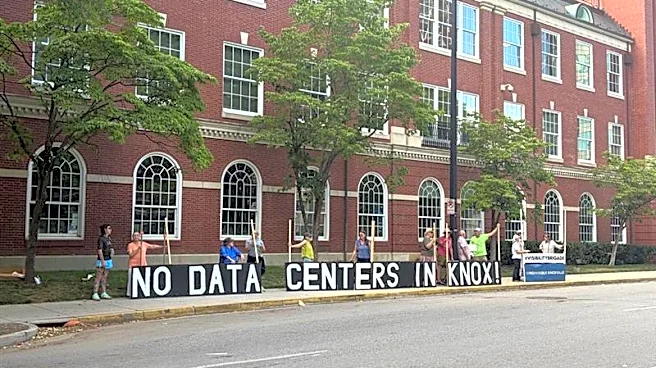
Developers in the United States are facing significant public opposition to the construction of new data centers. In response, some are adopting improved design strategies to increase the likelihood of project approvals. These strategies include incorporating
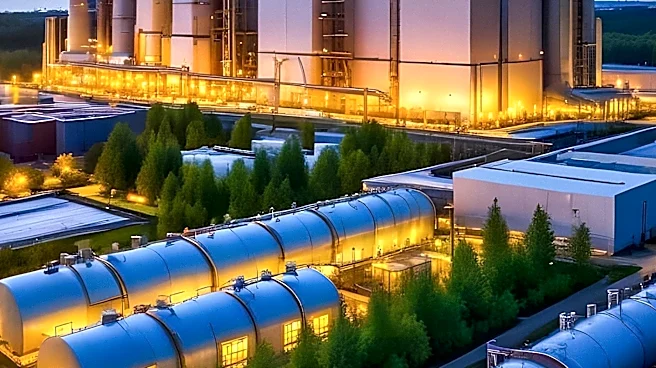
mature trees, robust plantings, green roofs, living walls, decorative fencing, and walking paths, which aim to provide public benefits beyond the data center itself. Such design elements help soften the visual impact of these facilities and demonstrate a commitment to being good neighbors, according to a report by GlobeSt. Google, for instance, is exploring the use of mass timber for hyperscale centers in Virginia, which could result in more sustainable and visually appealing structures. These efforts are part of a broader risk-mitigation strategy for investors, who view better design as more than just an overhead cost.
Why It's Important?
The push for better-designed data centers is significant as it addresses the growing concerns of communities about the environmental and aesthetic impacts of these facilities. By improving design, developers can potentially ease the approval process, which is often hindered by public opposition due to concerns over noise, water usage, and energy demands. This approach not only helps in gaining community support but also aligns with sustainable development goals, potentially setting a precedent for future projects. For investors, this means reduced risk and potentially smoother project execution, which is crucial in a sector that is rapidly expanding to meet increasing data demands.
What's Next?
As developers continue to refine their design strategies, the focus will likely remain on balancing community concerns with the operational needs of data centers. Stakeholders, including local governments and environmental groups, may play a crucial role in shaping these projects. Future developments could see more widespread adoption of sustainable building materials and community-friendly site plans. Additionally, ongoing dialogue between developers and communities will be essential to address any remaining concerns and ensure that new data centers can coexist harmoniously with their surroundings.