







What's Happening?
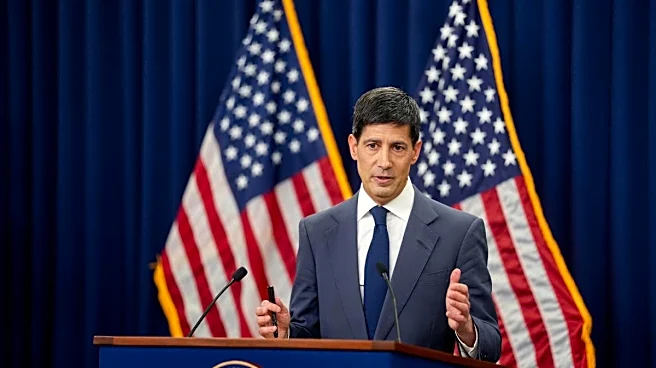
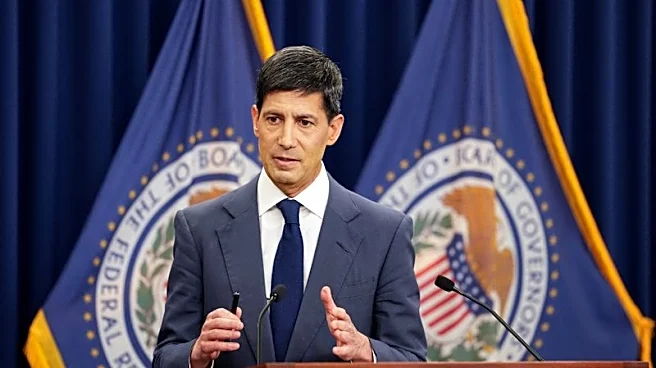
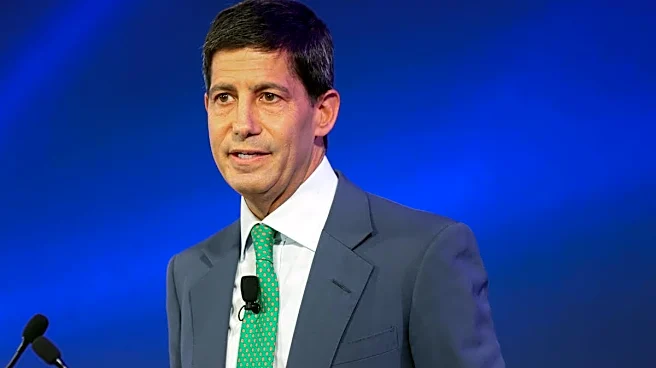
Kevin Warsh, the new Federal Reserve Chair, is expected to maintain high mortgage rates, impacting the U.S. housing market. The 'Warsh Effect,' as described by Morgan Stanley strategists, suggests that mortgage rates will remain volatile and elevated
due to Warsh's hawkish monetary policy stance. The average 30-year fixed mortgage rate has increased to 6.49%, reflecting higher interest rate expectations. Warsh's approach includes reducing the Fed's balance sheet and providing less forward guidance, contributing to market uncertainty and potential rate volatility.
Why It's Important?
High mortgage rates can significantly affect the housing market by reducing affordability and slowing transaction activity. This environment poses challenges for homebuyers and refinancers, potentially dampening housing demand. The Fed's policies under Warsh could lead to increased volatility in mortgage-backed securities, further influencing mortgage rates. The situation highlights the broader economic implications of monetary policy decisions on the housing sector and consumer financial stability.
What's Next?
As Warsh continues to implement his monetary policy strategy, stakeholders in the housing market will need to adapt to the ongoing rate environment. Homebuyers may face continued affordability challenges, while builders and lenders will need to navigate the implications of high rates on housing demand. The Fed's future actions and economic conditions will play a crucial role in shaping the housing market landscape.