




What's Happening?
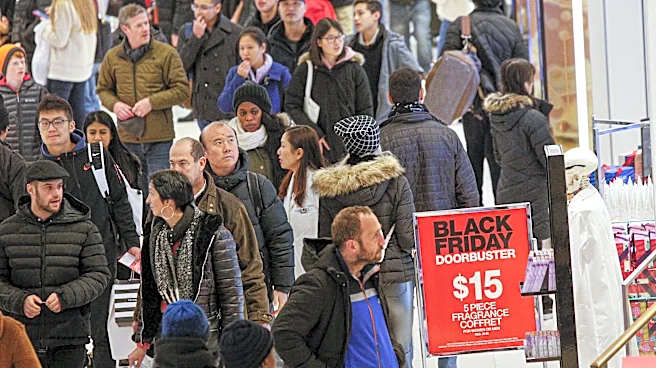
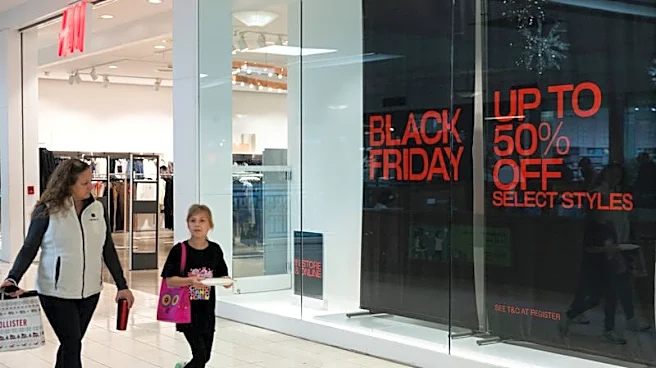
Black Friday 2026, scheduled for November 27, is set to feature widespread discounts from major U.S. retailers including Amazon, Best Buy, Target, and Walmart. Sales events are commencing earlier this year, with deals available throughout November and extending
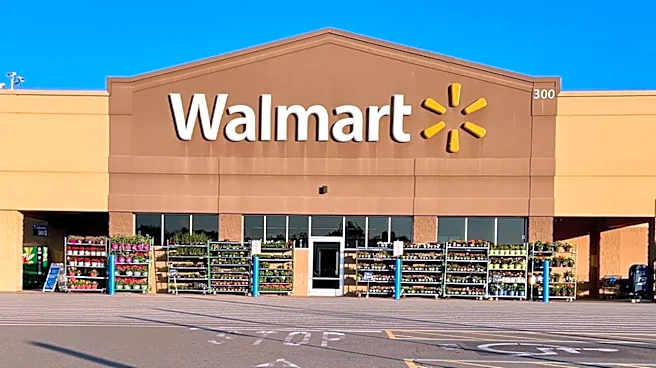
into early December. Consumers can expect significant savings across a broad spectrum of products, such as technology, home goods, fashion, appliances, and furniture. Retailers like Abercrombie & Fitch are offering up to 50% off apparel, while Amazon is providing discounts of up to 60% on various items, including electronics and mattresses. Best Buy is focusing on tech and home appliances with up to 50% off, and Walmart is promoting savings of up to 70% across all categories. Other participating retailers include Coach Outlet, Dick's Sporting Goods, Dyson, Everlane, Fanatics, Gap, Huckberry, IKEA, Journeys, Kohl's, Lee, Lululemon, Macy's, Nike, Nordstrom, Nordstrom Rack, Old Navy, PacSun, QVC, REI, Sephora, Skechers, Skims, Ulta Beauty, Urban Outfitters, Vuori, Yeti, and Zara, each offering substantial markdowns and promotional deals. Many retailers are also providing additional incentives like free shipping on qualifying orders and extended warranties.
Why It's Important?
The extensive Black Friday sales in 2026 are particularly significant given ongoing economic concerns, including inflation and shrinking consumer budgets. Retail analysts note that shoppers are actively seeking marked-down prices and deals, making these sales crucial for both consumers looking to save money and retailers aiming to boost sales during the holiday shopping season. The early start to sales, extending throughout November and into December, indicates a strategic move by retailers to capture consumer spending over a longer period, potentially alleviating the pressure of a single-day shopping frenzy. For consumers, these deals offer a prime opportunity to purchase high-value items, especially those with strong ratings, at reduced prices. The competitive nature of these sales, with numerous major retailers participating across diverse product categories, suggests a strong push to attract and retain customers in a challenging economic environment. The inclusion of perks like free shipping and subscription service bundles further enhances the value proposition for shoppers.
What's Next?
As Black Friday approaches and extends into Cyber Monday and beyond, consumers can anticipate a continued rollout of new deals and flash sales from participating retailers. The extended sales period suggests that shoppers will have more opportunities to find desired products at discounted prices, potentially leading to a more spread-out shopping season rather than a concentrated rush. Retailers will likely monitor sales performance closely, adjusting promotions and inventory based on consumer demand and competitive offerings. The emphasis on early deals and prolonged sales events may become a standard practice in future holiday shopping seasons, reflecting a shift in consumer purchasing habits and retailer strategies. Shoppers should remain vigilant for limited-time offers and consider signing up for retailer newsletters to receive exclusive discounts and early access to deals. The post-Black Friday period will also see retailers clearing remaining holiday inventory, potentially offering further discounts.
Beyond the Headlines
The trend of Black Friday sales starting earlier and lasting longer reflects a broader evolution in retail strategy, moving away from a single high-pressure shopping day towards a more sustained promotional period. This shift could have several long-term implications, including a potential dilution of the traditional 'Black Friday' excitement as deals become more commonplace throughout November. It also highlights the increasing importance of e-commerce, as many of these deals are accessible online, allowing consumers to shop from home and compare prices more easily. From an ethical standpoint, the intense competition among retailers to offer the 'best' deals could lead to increased pressure on supply chains and labor, particularly during peak shipping periods. Furthermore, the focus on deep discounts might encourage impulse buying, raising questions about sustainable consumption patterns. The bundling of services, such as Walmart+ offering free streaming subscriptions, indicates a move towards ecosystem-based loyalty programs, where retailers aim to integrate various aspects of a consumer's lifestyle into their offerings, fostering deeper customer relationships beyond transactional purchases.