







What's Happening?
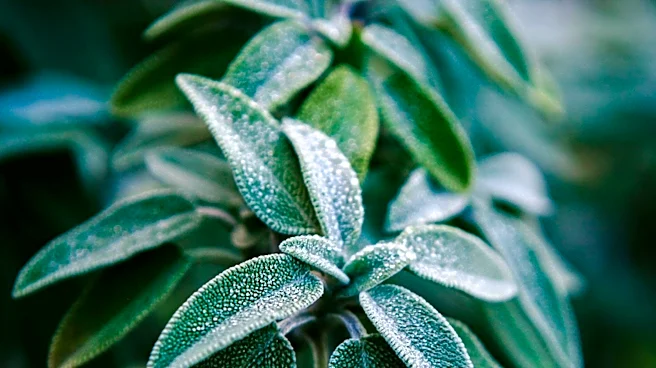
Texas Sage, also known as Texas Ranger or Leucophyllum, is a drought-tolerant shrub favored for its silvery foliage and purple blooms, particularly in sunny, dry landscapes. Proper care for Texas Sage involves planting it in full sun with well-draining
soil, as it does not tolerate constantly wet conditions. During its establishment phase, regular watering is necessary, but once established, it requires less frequent watering due to its drought tolerance. Overwatering is a common issue that can lead to yellowing leaves, root stress, and decline. The plant generally does not need heavy fertilization, as too much can reduce its natural toughness and encourage soft growth over flowering. Light, selective pruning is recommended to maintain its natural shape, avoiding constant shearing. In winter, Texas Sage typically slows its growth, and in warmer zones, it remains evergreen. However, cold snaps can cause leaf drop or tip damage, and wet winter soil can be more detrimental than cold temperatures alone.
Why It's Important?
The specific care requirements for Texas Sage are important for homeowners and landscapers in arid and semi-arid regions of the U.S., particularly in the Southwest. Its drought-tolerant nature makes it a valuable plant for xeriscaping and water-wise landscapes, contributing to water conservation efforts in areas prone to drought. Understanding its needs helps prevent common problems like root rot and poor blooming, which can lead to plant replacement costs and wasted resources. By promoting the successful cultivation of Texas Sage, the horticulture industry can support sustainable landscaping practices and offer resilient plant options to consumers. The plant's ability to attract pollinators also contributes to local biodiversity, which is crucial for ecosystem health.
What's Next?
For those cultivating Texas Sage, ongoing attention to soil moisture and drainage will be critical, especially during seasonal transitions. In colder or borderline climates, monitoring for winter stress and delaying heavy pruning until spring growth begins will be essential to allow for natural recovery. As warmer weather approaches, gardeners should focus on light shaping and ensuring adequate sunlight exposure to encourage robust flowering. Continued education on water-wise gardening practices and the specific needs of drought-tolerant plants like Texas Sage will likely remain a focus for horticultural experts and nurseries, guiding consumers toward sustainable landscape choices.
Beyond the Headlines
The popularity and specific care needs of Texas Sage highlight a broader shift in landscaping trends towards sustainability and resilience in the face of changing climate patterns. As water resources become more constrained in many parts of the U.S., plants that thrive with minimal irrigation are gaining prominence. This trend encourages a re-evaluation of traditional gardening practices and a greater appreciation for native or adapted species. The emphasis on natural plant forms and reduced chemical inputs (like fertilizers) also reflects a growing ecological awareness among gardeners, moving towards landscapes that are not only aesthetically pleasing but also environmentally responsible and supportive of local wildlife.