





What's Happening?
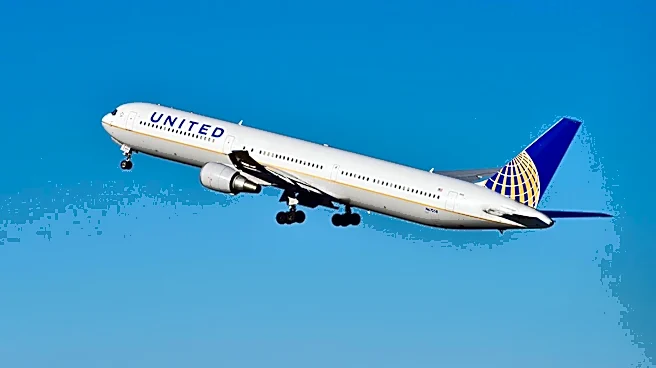
Rep. Frank Pallone has requested detailed information from United Airlines Holdings, Inc. regarding its use of customer data and artificial intelligence (AI) in determining airfare pricing. This inquiry comes as United Airlines is in the process of rolling
out Starlink in-flight Wi-Fi across its fleet. Pallone's request specifically seeks to understand how customer data, including income, location, and browsing history, is collected and utilized to shape pricing. He also wants to know the frequency of AI-driven fare updates, the weighting given to different data points in the pricing algorithms, and the extent of human review involved in these processes. The airline has also been noted for maintaining Narita transpacific flights amidst record rainfall, coordinating with ANA.
Why It's Important?
This inquiry is significant because it addresses growing concerns about transparency and fairness in pricing practices within the airline industry, particularly with the increasing adoption of AI and data analytics. The use of personal data to dynamically adjust prices could lead to discriminatory pricing, where different customers pay varying amounts for the same service based on their perceived ability or willingness to pay. This could disproportionately affect certain demographics or individuals, raising ethical questions about consumer protection and equitable access to services. Furthermore, the integration of advanced technologies like Starlink Wi-Fi could generate even more data, intensifying the need for clear regulations and oversight to prevent potential abuses and ensure consumer trust in digital services. The outcome of this probe could set a precedent for how other industries manage customer data and AI-driven pricing.
What's Next?
United Airlines is expected to respond to Rep. Pallone's request by providing the detailed information he has sought regarding its data collection, AI pricing mechanisms, and human oversight. Depending on the airline's response and the findings, this could lead to further congressional scrutiny, potential legislative proposals to regulate AI-driven pricing and data usage in the airline sector, or even investigations by consumer protection agencies. Other airlines might also face similar inquiries as lawmakers seek to understand and potentially regulate these emerging practices across the industry. The ongoing rollout of Starlink Wi-Fi will likely continue, but the transparency around data usage could become a critical factor in its public acceptance and regulatory environment.
Beyond the Headlines
The probe into United Airlines' AI pricing practices highlights a broader societal challenge concerning the ethical implications of artificial intelligence and big data. As AI becomes more sophisticated and integrated into everyday services, the potential for algorithmic bias and lack of transparency in decision-making processes grows. This situation underscores the need for a comprehensive regulatory framework that balances innovation with consumer protection and privacy rights. It also brings to light the power dynamics between large corporations with vast data resources and individual consumers, emphasizing the importance of digital literacy and consumer advocacy. The debate over AI-driven pricing could ultimately shape future policies on data governance, algorithmic accountability, and the definition of fair market practices in the digital age, impacting various sectors beyond just airlines.