



What's Happening?
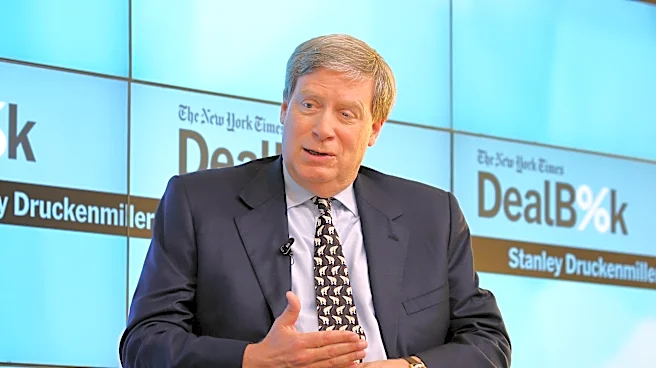
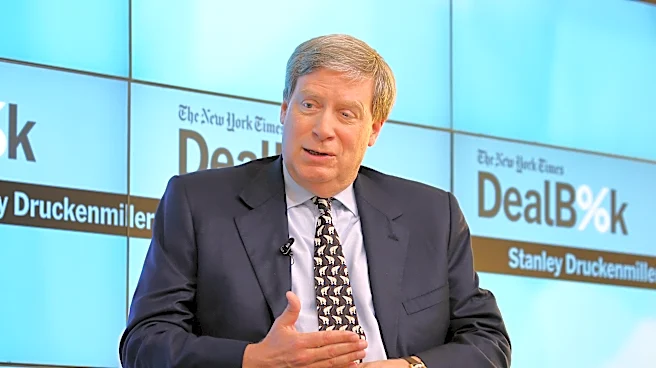
Stanley Druckenmiller's Duquesne Family Office significantly altered its portfolio in the third quarter, as detailed in its November 16 Form 13F filing. The firm drastically cut its stake in Taiwan Semiconductor Manufacturing Company (TSMC) by 94.5%,
reducing its holdings from 589,680 shares to just 32,700. Additionally, Duquesne completely exited its position in Alphabet, selling all 336,300 Class A shares, which were previously valued at approximately $120 million. Concurrently, the family office increased its investment in data storage, nearly tripling its share count in Seagate Technology to 341,790 shares, making it the second-largest holding. Duquesne also established new positions in three major gold miners: Newmont ($43.9 million), Barrick Mining ($42.9 million), and Agnico Eagle ($42.3 million), indicating a move towards defensive assets. Small stakes were also acquired in SpaceX and Palantir. Overall, the reported portfolio value decreased by about 14% from the previous quarter, totaling approximately $4.47 billion as of September 30.
Why It's Important?
Stanley Druckenmiller's investment decisions are closely watched by investors due to his strong track record in stock picking. His recent portfolio adjustments signal a notable shift away from high-profile semiconductor and megacap technology stocks, suggesting a perceived reduction in upside for these sectors. The move into Seagate Technology indicates a reallocation within the technology hardware space, favoring less crowded segments like data storage. The substantial investment in gold miners, through equally sized stakes in Newmont, Barrick Mining, and Agnico Eagle, reflects a defensive strategy, providing leveraged exposure to gold sentiment. This could imply concerns about market volatility or inflation. For regular investors, while tempting to replicate, directly copying these trades is risky due to the 45-day disclosure lag of 13F filings, meaning positions may have already changed. Furthermore, a family office's risk tolerance and time horizons differ significantly from individual accounts, and the filing does not capture all asset classes held by Duquesne.
What's Next?
The implications of Druckenmiller's Q3 portfolio changes will likely be observed in market sentiment and potentially in the performance of the sectors he has adjusted. Other institutional investors and market analysts may scrutinize these moves for broader market trends, particularly regarding the outlook for semiconductors, megacap tech, and defensive assets like gold. While the 13F filing provides a snapshot as of September 30, subsequent filings will reveal if these shifts represent a sustained strategy or a temporary tactical adjustment. Investors will be keen to see if other prominent fund managers follow similar patterns of reducing exposure to leading tech names and increasing holdings in more traditional or defensive sectors. The small stakes in growth companies like SpaceX and Palantir suggest that Duquesne has not entirely abandoned growth opportunities, indicating a balanced, albeit cautious, approach to the market.
Beyond the Headlines
Druckenmiller's portfolio rebalancing highlights a potential underlying concern about the sustainability of valuations in certain high-growth technology sectors. The pivot towards gold miners suggests a strategic hedge against economic uncertainties, inflation, or geopolitical risks, reflecting a broader trend among some sophisticated investors to diversify into assets traditionally seen as safe havens. This shift could also indicate a belief that the market is entering a phase where fundamental value and defensive characteristics will outperform aggressive growth. The emphasis on data storage through Seagate, while still within technology, points to a more foundational and perhaps less speculative area of the tech ecosystem. This strategic rotation by a highly respected investor could influence broader market narratives, encouraging a re-evaluation of risk and reward across different asset classes and potentially signaling a more conservative investment environment ahead.