





What's Happening?
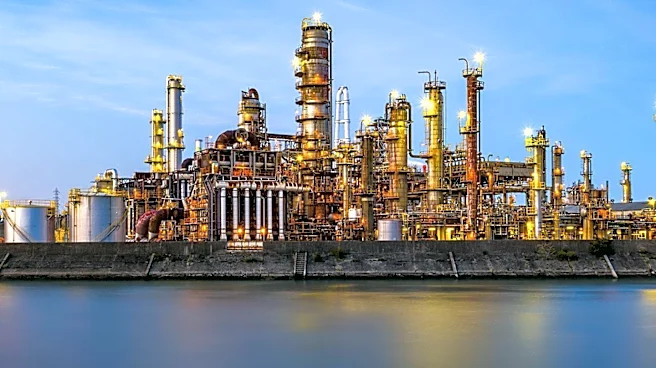
Enbridge, a major North American energy infrastructure company, utilizes its extensive pipeline network to transport crude oil to refineries and export facilities, including its own terminal located on the Gulf Coast in Texas. These pipelines are crucial
for moving approximately 30% of the oil produced in both Canada and the United States. Beyond crude oil, Enbridge's infrastructure also transports refined fuels from refineries to storage facilities, from where they are distributed to airports and gas stations. The company has significantly expanded its natural gas operations, becoming the largest operator of natural gas utilities in North America following a US$14 billion acquisition of three natural gas utilities in 2024. This expansion positions Enbridge to capitalize on the anticipated increase in natural gas demand, driven by new gas-fired power generation facilities supporting AI data centers and rising international demand for liquefied natural gas (LNG). Enbridge is also a partner in the Woodfibre LNG export facility in British Columbia, which is nearing completion.
Why It's Important?
The operations of companies like Enbridge are vital for the U.S. energy sector and broader economy, particularly in states like Texas, which serve as key hubs for refining and export. The efficient transportation of crude oil and natural gas ensures a stable supply for domestic consumption and international markets, impacting energy prices and economic stability. The growing demand for natural gas, fueled by the energy needs of AI data centers and global geopolitical shifts, underscores the strategic importance of robust natural gas infrastructure. Texas's role as a significant destination for crude oil and a point of origin for exports highlights its critical position in the global energy supply chain. Furthermore, the expansion of natural gas utilities and LNG export capabilities can bolster U.S. energy independence and influence global energy security, especially in light of disruptions caused by international conflicts.
What's Next?
Enbridge is continuing its asset expansion through both acquisitions and organic developments, with over US$3 billion in U.S. acquisitions announced recently and a US$41 billion capital program underway. This ongoing investment is expected to drive future earnings and cash flow growth, supporting continued dividend increases. The company has a track record of raising its dividend for 31 consecutive years. However, Enbridge faces potential challenges, such as the ongoing effort by the governor of Michigan to shut down its Line 5 pipeline, which runs through the state and is considered an environmental risk. The outcome of such regulatory challenges could impact Enbridge's operational capacity and future investment strategies, particularly concerning its existing infrastructure and expansion plans in the U.S. and Canada.
Beyond the Headlines
The strategic importance of energy infrastructure, as exemplified by Enbridge's operations in Texas, extends beyond mere economic considerations. It touches upon national security, environmental policy, and international relations. The debate surrounding pipeline projects, such as Line 5, highlights the tension between economic development, energy security, and environmental protection. The increasing energy demands from emerging technologies like AI data centers present a new dimension to this challenge, requiring significant investment in power generation and transmission infrastructure. This trend could accelerate the transition towards natural gas as a bridge fuel, while also intensifying scrutiny on the environmental footprint of energy production and consumption. The interplay between corporate investment, governmental regulation, and public sentiment will continue to shape the future of energy infrastructure in the U.S. and its role in the global energy landscape.