
What's Happening?
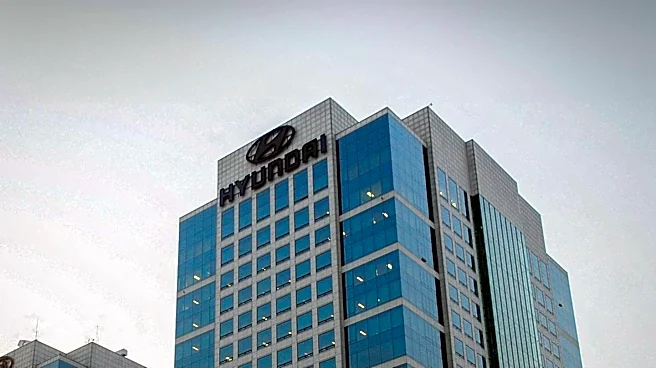
Hyundai-Posco Louisiana Steel is proceeding with its plans to construct a $5.8 billion steel mill in Ascension Parish, Louisiana. The project promises significant economic benefits, including the creation
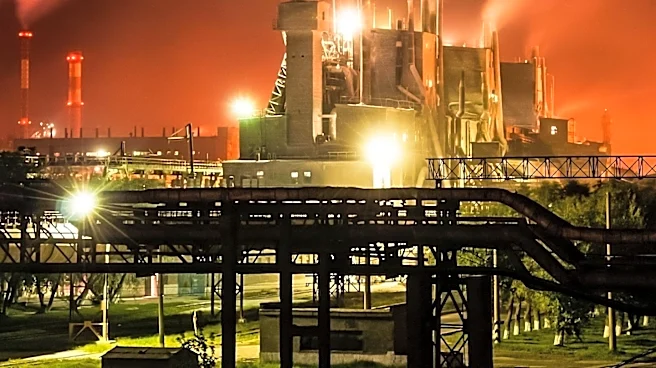
of 5,400 jobs—1,300 direct and 4,100 indirect. Commercial production is anticipated to commence in the first quarter of 2029, with the facility projected to produce 2.7 million metric tons of steel annually, primarily for automotive applications. Hyundai-Posco CEO Kyung Jin Kim emphasized the mill's use of electric-based steelmaking technology, which is expected to reduce carbon emissions by 70% compared to conventional methods. However, residents of Modeste, a nearby rural community, have voiced substantial concerns regarding the project's potential impact on their health and community character. These concerns include the proposed air permit, which allows for emissions of carbon monoxide, nitrogen oxides, sulfur dioxide, and fine particulate pollution. Residents also feel they have not had sufficient input in decisions affecting their community, expressing worries about the loss of their quiet way of life and the long-term health implications.
Why It's Important?
This project highlights the complex balance between economic development and environmental and community well-being. The substantial investment by Hyundai-Posco and the promise of thousands of jobs could significantly boost Louisiana's economy, providing employment opportunities and industrial growth. However, the concerns raised by Modeste residents underscore critical issues related to environmental justice and community impact. The potential for increased air pollution could have adverse health effects on local populations, particularly in historically rural areas. The debate also touches on the effectiveness of corporate community engagement and whether residents' voices are adequately heard and addressed in large-scale industrial projects. This situation could set precedents for how future industrial developments are managed in Louisiana, influencing policies on environmental permits, community consultation, and the distribution of economic benefits versus environmental burdens.
What's Next?
The Hyundai-Posco steel mill project still requires an air permit before full construction can begin, although site preparation is already underway. State regulators will now review the proposed air permit, which is a critical step for the project's progression. Community engagement efforts are expected to continue, with Hyundai representatives stating their willingness to meet with concerned residents. The company has already made some adjustments to emissions in response to community feedback and has contributed to local organizations. However, residents like Twila Collins remain concerned about the long-term changes to their community and health. The outcome of the air permit review and ongoing community discussions will determine the pace and nature of the project's development, potentially leading to further modifications or legal challenges from community groups if their concerns are not adequately addressed.
Beyond the Headlines
The Hyundai-Posco project in Ascension Parish brings to light deeper ethical and social implications concerning industrial development in proximity to established communities. The tension between economic prosperity and the preservation of local heritage and environmental health is a recurring theme in industrial expansion. The residents' concerns about their land being 'sacred' and the potential loss of their 'peace and quiet' speak to the cultural value placed on traditional ways of life, which often clash with the demands of modern industrialization. This situation also raises questions about the efficacy of environmental regulations in protecting vulnerable communities and whether current frameworks adequately account for cumulative impacts on health and quality of life. The project could become a case study in how industrial giants navigate community opposition and environmental scrutiny, potentially influencing future corporate social responsibility practices and regulatory oversight in similar large-scale developments across the U.S.