



What's Happening?
The water harvesting and distribution system market is experiencing significant growth, driven by increasing demand in the commercial sector. According to a report by Global Market Insights Inc., the market was valued at USD 6.71 billion in 2025 and is projected
to reach USD 14.65 billion by 2035, growing at a compound annual growth rate (CAGR) of 8.1%. The commercial application segment, which includes office campuses, hotels, healthcare facilities, and educational institutions, is a major contributor to this growth. In 2025, the commercial segment accounted for USD 1.9 billion, representing 29% of the market, and is expected to expand to USD 5.7 billion by 2035. This growth is fueled by green building certification requirements, corporate ESG commitments, and rising municipal water tariffs, which are making rainwater harvesting investments more attractive. The U.S. market, particularly in states like California and Texas, is seeing increased adoption due to water stress and legislative mandates.
Why It's Important?
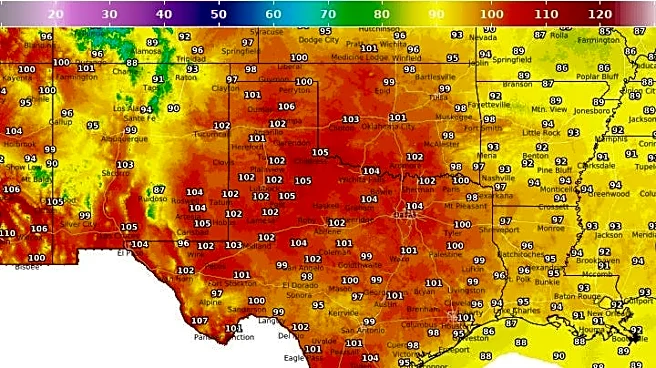
The expansion of the water harvesting market is crucial in addressing water scarcity issues, particularly in water-stressed regions of the United States. The commercial sector's investment in rainwater harvesting systems not only supports sustainability goals but also offers economic benefits by reducing reliance on municipal water supplies and lowering operational costs. This trend aligns with broader environmental, social, and governance (ESG) commitments, as companies seek to enhance their sustainability profiles. Additionally, the Inflation Reduction Act's provisions for green building are accelerating the adoption of these systems, further embedding water conservation practices into new construction and retrofitting projects. As water scarcity becomes a more pressing issue, the growth of this market represents a proactive approach to resource management and environmental stewardship.
What's Next?
Looking ahead, the water harvesting market is expected to continue its upward trajectory, with further advancements in technology and system integration. The development of smart pressure-boosting platforms and integration with building automation systems will likely enhance the efficiency and appeal of these systems. As more states implement water conservation mandates, the demand for rainwater harvesting solutions is expected to rise, prompting further innovation and investment in the sector. Additionally, the ongoing modernization of municipal water infrastructure will create opportunities for companies specializing in distribution systems and leak detection technologies. Stakeholders, including policymakers, businesses, and environmental groups, will play a critical role in shaping the future of this market through continued advocacy and support for sustainable water management practices.