


What's Happening?
Sophie Cunningham, during an appearance on the 'This Past Weekend w/ Theo Von' podcast, commented on the Indiana Fever's past attendance figures, initially underestimating them. She recalled the team having around 200 fans when she was drafted, describing
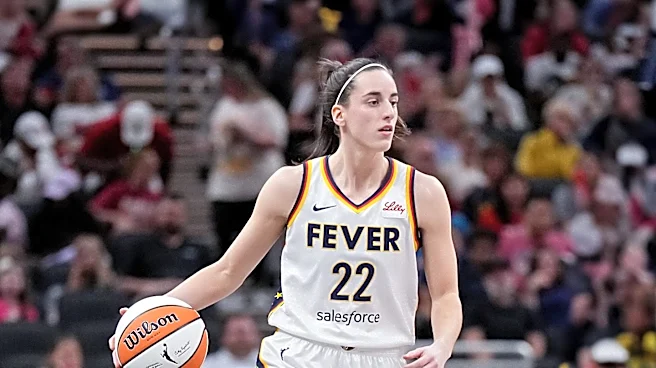
it as 'nap town.' However, upon reviewing a graphic, she realized the 2018 and 2019 figures were closer to 6,000 fans. The Fever's attendance saw a significant jump from 4,067 fans in 2023 (Aliyah Boston's rookie season) to 17,036 fans for Caitlin Clark's rookie season in 2024. While attendance slightly decreased in 2025 (16,560) and 2026 (16,426), the team has maintained a high level of fan engagement compared to previous years. Cunningham's comments, despite the initial inaccuracy, underscore the substantial growth in the Fever's fan base, particularly with the arrival of Caitlin Clark.
Why It's Important?
This growth in fan attendance for the Indiana Fever is highly significant for the WNBA and women's sports in the U.S. The dramatic increase, largely attributed to Caitlin Clark's arrival, demonstrates the immense potential for expanding the audience and commercial viability of women's basketball. Higher attendance translates to increased revenue through ticket sales, merchandise, and sponsorships, which can lead to better resources for players and teams. This surge in popularity also elevates the profile of the league, attracting more media attention and potentially inspiring a new generation of athletes and fans. The sustained high attendance, even after the initial rookie season peak, indicates a growing and loyal fan base, suggesting a long-term positive impact on the sport's ecosystem.
What's Next?
The Indiana Fever and the WNBA will likely continue to capitalize on this increased popularity. This could involve further marketing efforts to engage new fans, expanding arena capacities, and exploring new media partnerships. The sustained high attendance figures suggest that the league can continue to attract top talent and invest in player development. Other WNBA teams may also see a ripple effect, with increased interest in the league as a whole. For Sophie Cunningham, her comments, despite the initial misremembering, highlight her desire to remain with a growing franchise, potentially influencing her re-signing decisions. The league will also need to manage this growth strategically to ensure it is sustainable and benefits all teams and players.
Beyond the Headlines
Beyond the immediate impact on the Indiana Fever, this phenomenon reflects a broader cultural shift in the U.S. regarding women's sports. The significant fan engagement with the WNBA, particularly around star players like Caitlin Clark, indicates a growing appreciation and demand for women's athletic competitions. This challenges traditional narratives about the marketability of women's sports and could lead to increased investment across various women's leagues. It also highlights the power of individual athletes to drive significant commercial and cultural impact. This trend could foster greater gender equity in sports, leading to more equitable pay, media coverage, and opportunities for female athletes at all levels, from collegiate to professional.