




What's Happening?
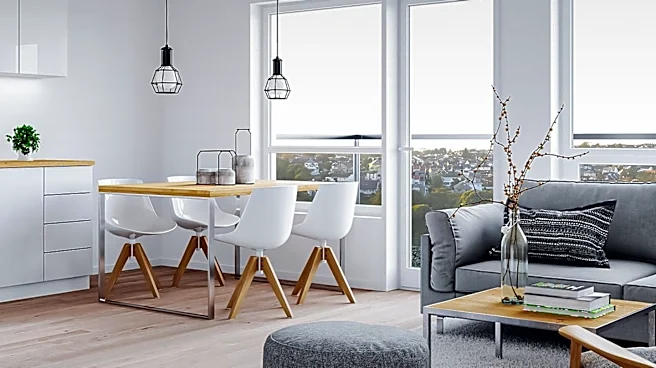
Open concept living, characterized by large rooms serving multiple functions like dining, living, and family areas, is a prominent trend in residential design. This approach emphasizes minimalism and functionality, connecting different areas of a home
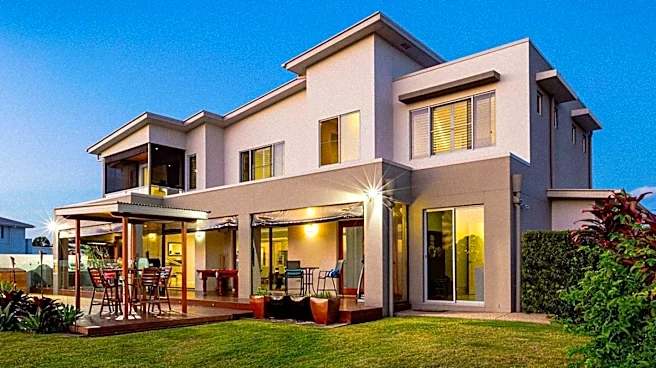
to create a more cohesive and inviting environment. Recent shifts in design philosophy indicate a move towards creating homes that cater to daily routines and mental well-being, rather than solely focusing on impressing guests. This involves reducing visual clutter and designing spaces that support the inhabitants' lifestyle. The popularity of open-concept layouts stems from their practical advantages, including enhanced comfort for everyday living, easier entertaining, and greater flexibility in how spaces can be used. For instance, parents can supervise children while preparing meals, and family members can engage in different activities while remaining connected within a shared space. This design also facilitates larger gatherings by allowing guests to mingle seamlessly between living and dining areas, and hosts to remain part of the conversation even when attending to tasks in the kitchen. Many new homes now incorporate some form of a 'great room,' which embodies this open-concept philosophy, though its size, layout, and functionality can vary significantly.
Why It's Important?
The widespread adoption of open concept living has significant implications for the U.S. housing market and consumer preferences. For homeowners, this design offers increased natural light due to fewer interior walls and larger windows, making homes feel more open, inviting, and spacious. This can also contribute to better energy efficiency by reducing the need for artificial lighting during the day. The flexibility inherent in open-concept spaces allows them to adapt to evolving family needs, serving as anything from a family room to a home theater or a homework station. This adaptability adds long-term value to a property. Builders and real estate developers are increasingly incorporating these designs to meet consumer demand, influencing architectural trends and construction practices. The emphasis on functionality and well-being aligns with broader societal trends towards mindfulness and creating supportive home environments. Those who stand to gain are homeowners seeking versatile, light-filled spaces and developers who can effectively market these features. Conversely, those who prefer more traditional, compartmentalized living spaces might find fewer options in new constructions, potentially impacting their housing choices.
What's Next?
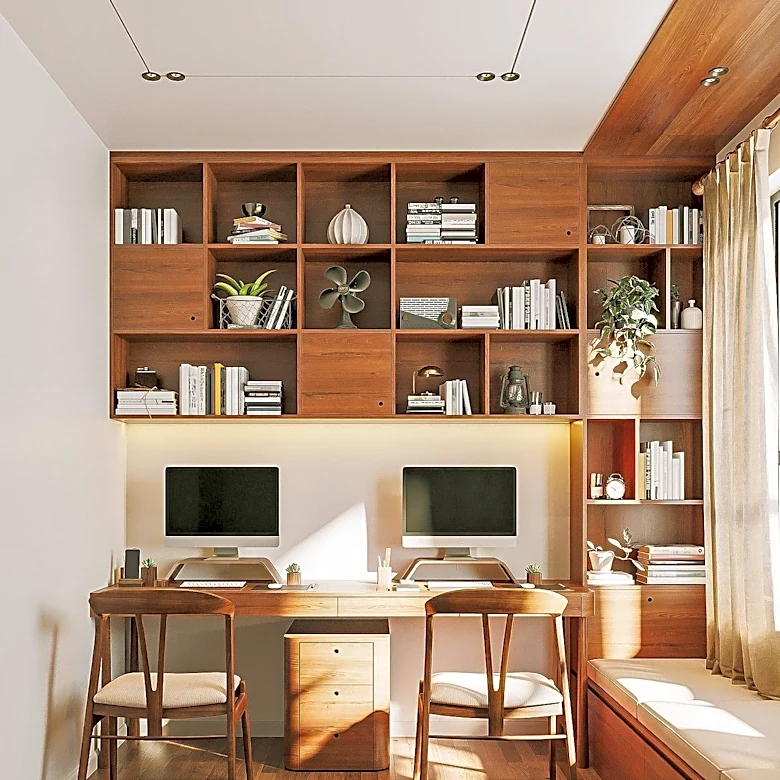
The trend towards open concept living is expected to continue evolving, with further integration of smart home technology and biophilic design principles to enhance functionality and well-being. Future developments may see even more seamless transitions between indoor and outdoor living spaces, with features like sliding-glass patio doors becoming standard. Homebuyers will likely continue to prioritize homes that offer adaptable layouts and ample natural light, pushing designers and builders to innovate in these areas. The focus on designing homes around daily routines suggests a continued move away from purely aesthetic considerations towards practical, user-centric design. We may also see an increase in customizable open-concept layouts, allowing homeowners to tailor spaces to their specific needs, such as incorporating built-in shelving or integrated cabinetry for better organization. The market will likely respond with more diverse offerings in terms of size and configuration of great rooms, catering to a wider range of household sizes and lifestyles.
Beyond the Headlines
Beyond the immediate benefits of space and light, the shift to open concept living reflects deeper cultural and psychological implications. The design fosters a sense of connection and togetherness among household members, potentially strengthening family bonds by reducing isolation. It encourages more interactive living, where activities like cooking, dining, and relaxing can occur simultaneously within a shared visual field. This can be particularly impactful in an era where digital distractions often pull individuals apart. However, it also presents challenges, such as the potential for increased noise levels and a lack of private spaces, which might impact individuals' need for solitude or focused work. The emphasis on minimalism and reducing visual clutter also aligns with broader societal trends towards decluttering and mindful consumption, suggesting a desire for simpler, more intentional living environments. The long-term impact on mental well-being, productivity, and social dynamics within the home will be an ongoing area of observation and study.