




What's Happening?
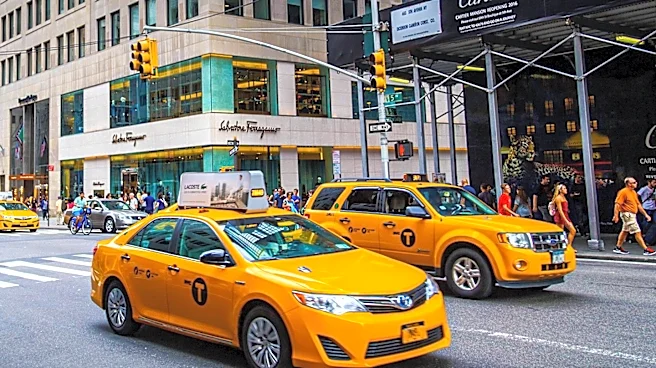
New York's Fifth Avenue has once again been named the world's most expensive retail corridor, according to a report by Cushman & Wakefield. This marks the first time since 2023 that Fifth Avenue has held this top position. The avenue, specifically the stretch
from Saks Fifth Avenue at 49th Street to the southeastern corner of Central Park at 60th Street, now boasts average retail rents of $2,700 per square foot. This significant increase follows a 35% year-over-year rent hike, contrasting with three years of flat rents prior. The Wall Street Journal highlighted that this resurgence is driven by fashion houses and other retailers intensely competing for prime locations on this exclusive strip. Prominent tenants in the area include luxury brands like Tiffany, Bergdorf Goodman, and a 24-hour Apple store, which collectively attract a diverse range of shoppers and tourists, offering brands valuable exposure. The availability rate for retail space on Fifth Avenue decreased to 13% in the third quarter, indicating high demand and limited supply.
Why It's Important?
Fifth Avenue's return to the top spot signifies a robust recovery and heightened demand in the luxury retail sector within the U.S. This trend indicates that despite broader economic uncertainties, prime physical retail locations remain highly coveted by global brands seeking visibility and prestige. The substantial 35% rent increase on Fifth Avenue, significantly outpacing the global average of 3%, underscores the unique value proposition of this iconic New York City location. For retailers, securing a presence on Fifth Avenue is not just about sales but also about brand image and global recognition. This competitive environment benefits landlords and property owners in the area, as scarcity drives up rental values. The concentration of high-end brands and the influx of tourists contribute significantly to New York City's economy, reinforcing its status as a global retail hub. The report also notes that Fifth Avenue is the only U.S. location to make the top 10 list of most expensive retail streets globally, highlighting its singular importance in the American retail landscape.
What's Next?
The continued scarcity of prime retail space on Fifth Avenue suggests that rental prices are likely to remain high, with potential for further increases as demand persists. Retailers not currently on Fifth Avenue may face significant challenges in securing a foothold, potentially leading them to explore other high-end retail districts in the U.S. The report indicates that luxury brands are already looking beyond traditional hubs like New York, London, and Paris, considering emerging wealth centers such as Miami, Palm Beach, and Austin. This geographical diversification could lead to increased investment and development in these alternative U.S. markets, fostering new luxury retail corridors. Landlords and cities that proactively reinvent the retail experience and adapt to evolving consumer behaviors, including the integration of AI for personalization and clienteling, are expected to define the next era of retail. This suggests a future where physical retail spaces will increasingly focus on unique, immersive experiences to attract and retain high-value customers.
Beyond the Headlines
The resurgence of Fifth Avenue as the world's most expensive retail street reflects broader shifts in consumer behavior and brand strategy. In an increasingly digital world, the enduring appeal of flagship physical stores on iconic streets like Fifth Avenue highlights the importance of tangible brand presence and experiential retail. This trend suggests that while e-commerce continues to grow, luxury brands recognize the critical role of brick-and-mortar locations in building brand prestige, fostering customer loyalty, and providing unique shopping experiences that cannot be replicated online. The intense competition for space also points to a 'flight to quality' phenomenon, where brands prioritize prime locations that offer maximum visibility and foot traffic, even at premium costs. This could lead to a widening gap between top-tier retail districts and secondary locations, with the former continuing to thrive and attract investment, while the latter may struggle to compete. The emphasis on reinventing the retail experience, as noted in the Cushman & Wakefield report, underscores a strategic pivot towards creating destinations that offer more than just products, but also culture, entertainment, and personalized service.