



What's Happening?
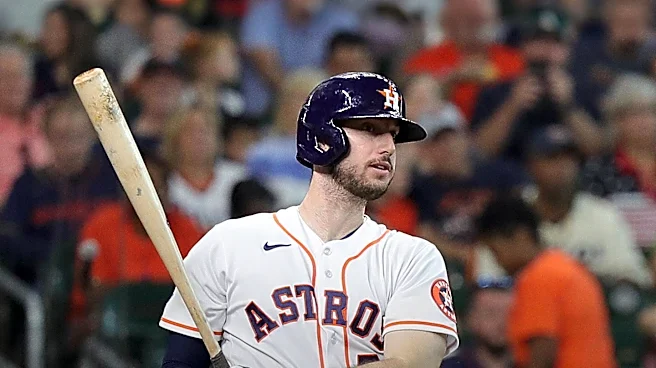
The Houston Astros are actively seeking a Minor League Baseball (MiLB) Strength and Conditioning Coordinator to join their Player Care and Performance Team. This full-time, exempt position will be based in West Palm Beach, Florida, and will involve selective
travel to the team's affiliates. The successful candidate will be responsible for managing and mentoring a team of MiLB strength and conditioning coaches across various affiliates, including the Florida Complex League (FCL) and the Dominican Republic Academy. Key responsibilities include overseeing the MiLB strength and conditioning budget, conducting staff evaluations, and managing weight room operations. The coordinator will also design and implement science and data-led strength and conditioning programs, communicate player goals, and establish testing and exercise protocols for performance and rehabilitation. This role requires teaching proper execution of lifts and movement drills, coaching sprint and multidirectional movement mechanics, and collaborating with various medical and player development staff. The position demands flexibility for irregular hours, nights, and weekends, with occasional travel.
Why It's Important?
This hiring initiative by the Houston Astros underscores the increasing emphasis on scientific and data-driven approaches in professional sports, particularly in player development. By investing in a dedicated MiLB Strength and Conditioning Coordinator, the Astros aim to optimize the physical preparation and performance of their minor league players, which is crucial for their long-term success and transition to the major league level. This role is vital for ensuring that emerging talent receives consistent, high-quality physical training, reducing injury risks, and maximizing athletic potential. The coordinator's ability to manage a team of coaches and integrate with other player care professionals highlights a holistic approach to athlete development. This strategic investment can lead to a more robust pipeline of healthy and high-performing players, ultimately benefiting the organization's competitive edge and financial stability through sustained on-field success. The focus on science and data also reflects a broader trend in professional sports to leverage advanced analytics for performance enhancement.
What's Next?
The Houston Astros will proceed with the recruitment process, evaluating candidates who possess a Bachelor's degree in Exercise Science or a related field, a minimum of six years of strength and conditioning experience (including at least one year in collegiate or professional baseball), and relevant certifications such as Certified Strength and Conditioning Specialist (CSCS) and Registered Strength and Conditioning Coach (RSCC). Preferred qualifications include a Master's degree, fluency in Spanish, and experience with objective diagnostic testing. Once a coordinator is hired, they will immediately begin managing the MiLB strength and conditioning programs, working closely with the Director of Player Care and Performance. The new coordinator will be instrumental in shaping the physical development of the Astros' minor league prospects, with a focus on implementing advanced training methodologies and fostering collaboration among the player care team. Their efforts will directly impact the readiness of future Astros players for the demands of professional baseball.
Beyond the Headlines
The creation and emphasis on this role reflect a significant shift in professional baseball towards a more integrated and scientific approach to player development. Beyond the immediate impact on player performance, this position highlights the growing demand for specialized expertise in sports science within professional organizations. The requirement for strong interpersonal skills and the ability to work within a team of practitioners underscores the importance of interdisciplinary collaboration in modern sports. This trend extends beyond baseball, influencing how all major sports leagues invest in their athletes' physical and mental well-being. The focus on data-led approaches also signifies a broader cultural change in sports, where traditional training methods are increasingly being supplemented or replaced by evidence-based practices. This evolution not only benefits the athletes but also contributes to the longevity of their careers and the overall quality of play in professional leagues.