





What's Happening?
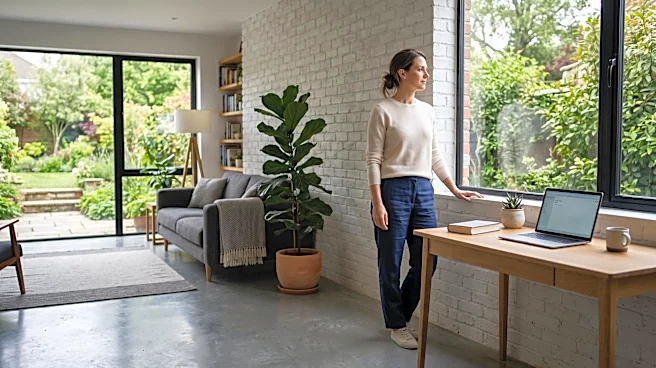
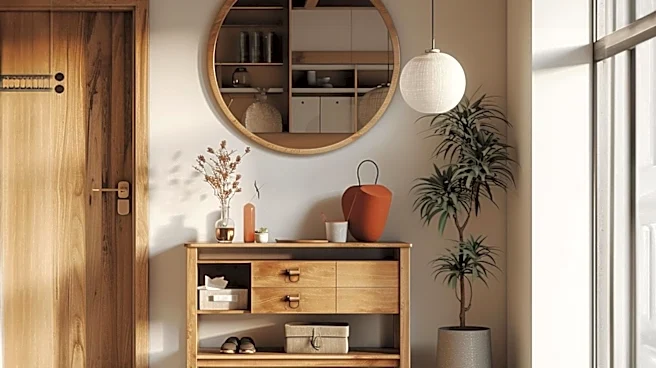
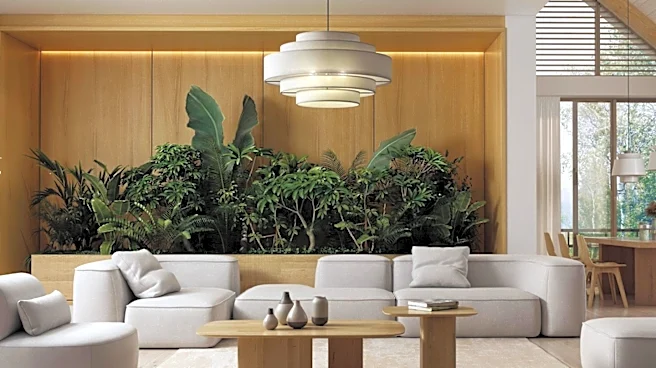
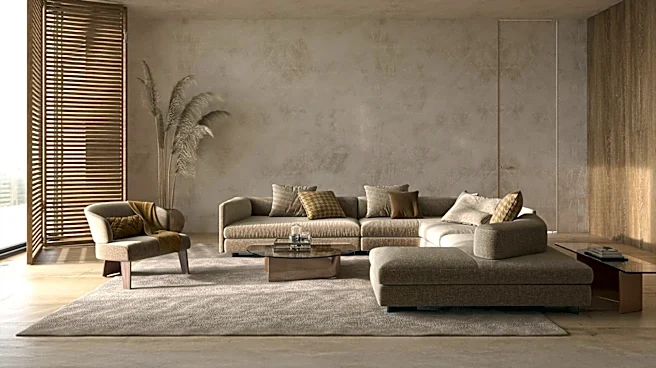
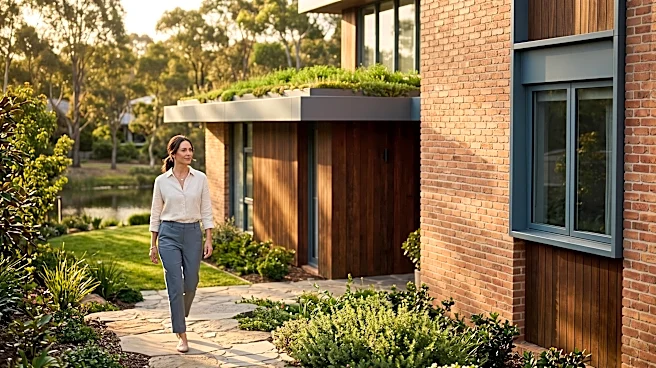
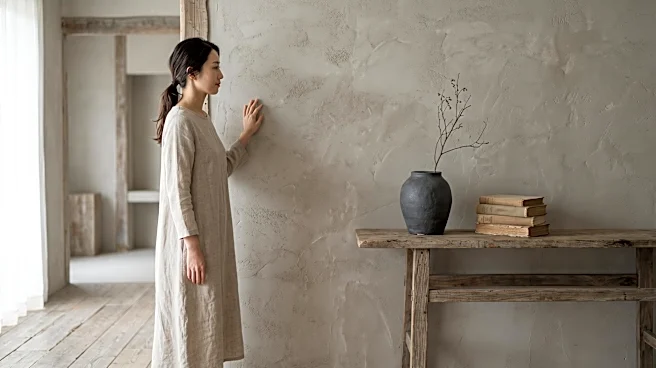
The concept of 'The Architecture of Well-Being' is gaining prominence, focusing on how design elements like light, acoustics, air, water, movement, privacy, landscape, and materiality are integrated into spaces to influence human emotion and behavior.
This approach moves beyond traditional aesthetics, aiming to create environments that support energy, health, privacy, and overall quality of life. Nina Magon, a designer, highlights that wellness should be embedded into the architecture itself, rather than being treated as a separate amenity. Her project, KA Residences, exemplifies this by incorporating a patented 'Merkaba Room'—a private wellness space with regenerative technologies—directly into residences, making wellness a ritual rather than an appointment. The philosophy emphasizes that surroundings are not passive but actively influence well-being.
Why It's Important?
This architectural philosophy holds significant importance for the U.S. real estate and design industries by redefining luxury and functionality. It shifts the focus from mere accumulation of expensive items to the optimization of living environments for health and well-being. This trend can drive innovation in building materials, smart home technology, and sustainable design practices. For consumers, it offers the promise of homes that actively contribute to their physical and mental health, potentially leading to improved sleep, reduced stress, and enhanced daily routines. Developers and architects who adopt these principles may gain a competitive edge in a market increasingly valuing holistic living. This approach also has implications for public policy, potentially influencing building codes and urban planning to prioritize health-conscious design in future developments, thereby impacting public health on a broader scale.
What's Next?
The continued evolution of wellness architecture suggests a future where health-centric design becomes a standard rather than a luxury. We can expect to see more residential and commercial projects integrating advanced wellness technologies and design principles. This may include further development of personalized environmental controls, such as dynamic lighting systems that mimic natural circadian rhythms, and advanced air and water purification systems. The concept of 'Merkaba Rooms' or similar integrated wellness spaces could become more common, offering residents direct access to restorative practices within their homes. Additionally, there may be a rise in demand for designers and architects specializing in wellness, leading to new professional certifications and educational programs. The industry might also see increased collaboration between architects, health professionals, and technology developers to create truly integrated wellness environments.
Beyond the Headlines
Beyond the immediate design and real estate implications, the architecture of well-being touches upon deeper societal and psychological dimensions. It underscores the profound impact of our physical surroundings on our mental and emotional states, challenging the notion that buildings are merely shelters. This approach encourages a more mindful way of living, where individuals are more attuned to how their environment affects them. It also raises questions about accessibility and equity, as advanced wellness features might initially be exclusive to high-end properties. However, as these concepts become more mainstream, there is potential for broader application in public spaces, affordable housing, and workplaces, fostering a healthier society overall. The philosophy also subtly promotes a shift from a consumerist mindset to one that values experiences and well-being over material possessions, influencing cultural norms around living spaces.