






What's Happening?
Facial yoga involves the deliberate contraction and exercise of facial muscles with the aim of building muscle bulk and providing support, potentially influencing facial fullness over time. While some studies suggest it may modestly increase muscle bulk with sustained
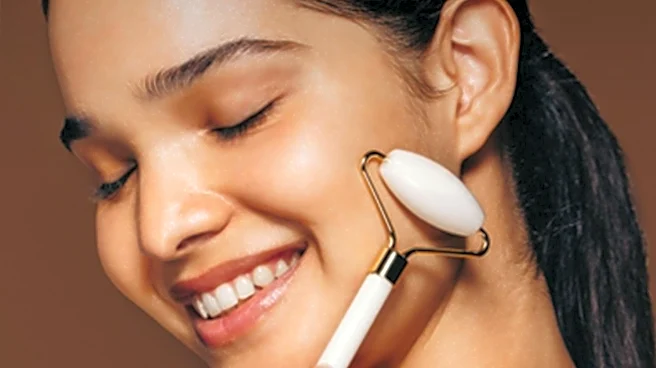
effort, it is not considered an evidence-based replacement for treatments addressing volume loss, skin quality, or structural changes. Facial massage, on the other hand, generally poses no harm for most individuals, though issues can arise from improper pressure or timing. Experts note that while facial massage can temporarily reduce puffiness, improve circulation, and ease muscle tension, leading to a more defined and relaxed appearance, its effects are largely temporary. It cannot permanently alter facial structure, restore lost collagen, or reverse the aging process in the same way cosmetic injections or surgery can. Both practices are gaining attention as natural, non-invasive approaches to facial wellness, with proponents highlighting their potential to enhance appearance and support skin health through consistent application.
Why It's Important?
The growing interest in facial yoga and massage reflects a broader societal shift towards natural and holistic approaches to beauty and wellness in the U.S. This trend impacts the beauty industry by creating demand for non-invasive alternatives to traditional cosmetic procedures, influencing product development and marketing strategies. Consumers are increasingly seeking methods that promote self-care and mindful living, which these practices align with. For individuals, understanding the actual benefits and limitations of facial yoga and massage is crucial to setting realistic expectations and making informed decisions about their skincare routines. Over-reliance on these methods for significant structural changes could lead to dissatisfaction, while incorporating them for temporary improvements in circulation, muscle tension, and puffiness can be a beneficial part of a comprehensive wellness regimen. This distinction is vital for both consumers and practitioners in the evolving landscape of beauty and anti-aging solutions.
What's Next?
As interest in natural beauty solutions continues to grow, further research into the long-term efficacy and specific benefits of facial yoga and massage is likely. This could lead to more refined techniques, specialized programs, and potentially new product lines designed to complement these practices. The beauty and wellness industry may see an increase in certified facial yoga instructors and massage therapists, offering structured programs and personalized guidance. Consumers can expect to encounter more educational content differentiating between temporary cosmetic enhancements and lasting structural changes, helping them navigate the claims made by various beauty trends. Additionally, the integration of these practices with other holistic wellness approaches, such as breathwork and mindful self-care, is anticipated to expand, offering a more comprehensive approach to overall well-being that extends beyond superficial appearance.
Beyond the Headlines
The rise of facial yoga and massage taps into deeper cultural and psychological dimensions related to aging and self-perception in the U.S. It reflects a desire for control over the aging process through natural means, contrasting with more invasive medical interventions. This movement also highlights an ethical consideration within the beauty industry regarding the promotion of treatments; it underscores the importance of transparency about what these practices can and cannot achieve. From a broader perspective, the emphasis on mindful movement and self-care associated with these techniques suggests a shift towards a more holistic understanding of beauty, where physical appearance is linked to mental and emotional well-being. This could foster a more positive relationship with aging, encouraging self-acceptance and self-care rather than solely focusing on the eradication of visible signs of aging, thereby influencing long-term societal attitudes towards beauty standards.