








What's Happening?
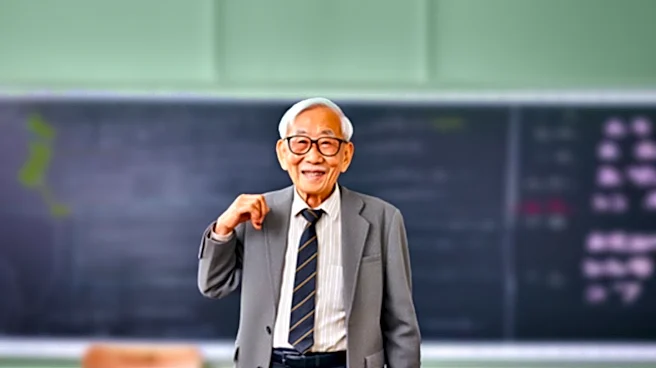
Charley Pritchett, a 100-year-old former professor, continues to embrace lifelong learning by enrolling in university courses at the University of West Florida. Living in a retirement community adjacent to the campus, Pritchett takes advantage of a program
allowing Florida residents aged 60 or older to attend university classes tuition-free. He has completed 51 courses and plans to continue, crediting his love of learning as a key factor in his longevity. Pritchett, a father of four, veteran, former air traffic controller, sports radio announcer, and publisher, shares five tips for a long and happy life: be humble, embrace being a beginner, build community, stay active, and take life one day at a time. His late wife, Sheila, also participated in these courses before her passing three years ago from frontotemporal dementia. Pritchett remains active, swimming twice a week and learning new skills like playing pool.
Why It's Important?
Pritchett's story highlights the significant benefits of continuous engagement and lifelong learning, particularly for the aging population in the U.S. His participation in university courses tuition-free for seniors demonstrates a valuable model for promoting mental and social well-being among older adults. This approach can combat social isolation and cognitive decline, which are growing concerns in an aging society. By sharing his longevity tips, Pritchett offers practical advice that could influence public health initiatives and personal lifestyle choices, encouraging older Americans to remain active and connected. His example underscores the importance of community and humility in fostering a fulfilling life, potentially inspiring policy discussions around accessible educational opportunities for seniors and the broader societal value of intergenerational learning environments.
What's Next?
Pritchett intends to continue enrolling in university courses, further expanding his knowledge and maintaining his active lifestyle. His ongoing participation could inspire more educational institutions to offer similar programs for senior citizens, potentially leading to increased enrollment and engagement from older adults across the U.S. His story may also encourage individuals to adopt his longevity tips, fostering a greater emphasis on continuous learning, community involvement, and physical activity as people age. There could be a growing interest in intergenerational learning environments where older students interact with younger ones, enriching the educational experience for all. Additionally, his narrative might prompt further research into the psychological and physiological benefits of lifelong learning and social engagement in later life.
Beyond the Headlines
Pritchett's narrative transcends simple longevity tips, touching upon deeper societal and cultural implications. His humility in the classroom, despite his extensive background, challenges ageist stereotypes and promotes a culture of mutual respect between generations. His commitment to embracing new experiences, such as learning to play pool, underscores the importance of adaptability and curiosity throughout life. The story also subtly highlights the emotional resilience required to continue pursuing passions after personal loss, as Pritchett did following his wife's passing. Furthermore, the existence of tuition-free programs for seniors raises questions about the accessibility and funding of such initiatives nationwide, and their potential to transform retirement into a period of active contribution and personal growth, rather than passive decline. This could lead to a re-evaluation of how society views and supports its older members.