



What's Happening?
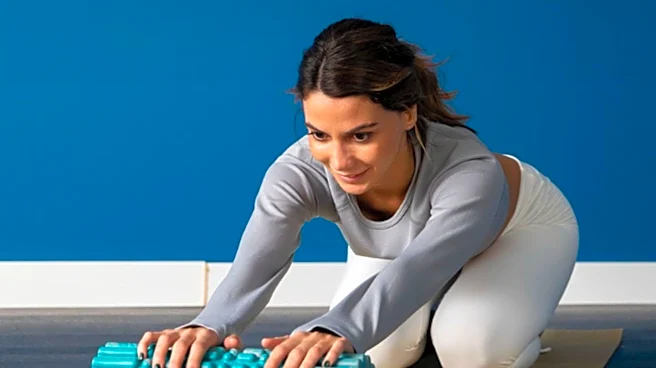
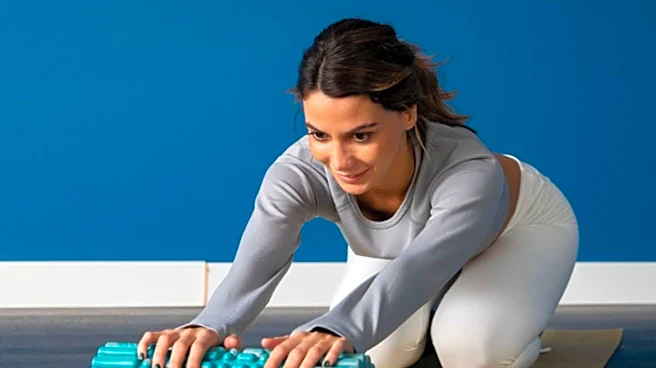
Foam rolling is a self-massage technique used to relax tense areas of the body, optimize muscle relaxation, and reduce tension. It is recommended for use during warm-ups to stimulate blood circulation and prepare muscles for activity. During training,
foam rolling can help relax muscles and potentially improve performance. Post-training, it aids in muscle relaxation, pain reduction, and promotes optimal recovery. While foam rollers are generally recommended for larger muscle groups like calves, hamstrings, quads, glutes, upper back, and lats, massage balls are suggested for smaller, harder-to-reach areas that require more precise pressure. Users are advised to start with lighter pressure, keeping some weight on their hands and feet, and gradually increase pressure as muscles relax. A systematic approach, such as a bottom-to-top routine, is often recommended to ensure all major muscle groups are addressed and to track changes effectively. Research indicates that foam rolling can significantly increase ankle dorsiflexion and improve range of motion, though it may be slightly less effective than static stretching for flexibility goals alone.
Why It's Important?
The widespread adoption of foam rolling highlights a growing emphasis on self-care and injury prevention within fitness and athletic communities. For individuals engaged in regular physical activity, understanding the proper application of foam rolling can lead to improved physical performance, reduced post-exercise soreness, and enhanced overall muscle health. This can translate to fewer training interruptions due to muscle tightness or minor injuries, allowing for more consistent participation in sports and exercise. The distinction between foam rollers and massage balls also underscores the importance of targeted approaches to muscle recovery, catering to the specific needs of different body parts. Furthermore, the emphasis on proper technique, such as avoiding direct pressure on joints and stopping if sharp pain occurs, is crucial for preventing further injury and ensuring the practice remains beneficial rather than detrimental. This knowledge empowers individuals to take a more active role in their physical well-being and recovery processes.
What's Next?
As awareness and accessibility of foam rolling tools continue to grow, there may be further research into optimizing foam rolling protocols for specific athletic populations or conditions. The integration of foam rolling into standard warm-up and cool-down routines in gyms and sports training facilities is likely to become even more prevalent. Educational initiatives from fitness professionals and healthcare providers will continue to emphasize correct technique and the appropriate use of different self-massage tools to maximize benefits and minimize risks. Consumers can expect to see continued innovation in foam roller design, with variations in density, texture, and size to cater to diverse needs and preferences. The ongoing dialogue between practitioners and researchers will likely refine best practices, potentially leading to more personalized recommendations for foam rolling based on individual physiology and activity levels.
Beyond the Headlines
Beyond its immediate physical benefits, the practice of foam rolling reflects a broader cultural shift towards proactive health management and self-efficacy in wellness. It empowers individuals to address muscle tension and discomfort independently, reducing reliance on external therapeutic interventions for minor issues. This self-care approach can foster a deeper understanding of one's own body and its responses to physical activity. Ethically, the accessibility and relative affordability of foam rollers make effective muscle recovery tools available to a wider demographic, democratizing aspects of physical therapy and athletic recovery that were once more exclusive. The emphasis on listening to one's body and distinguishing between normal discomfort and harmful pain also promotes a mindful approach to physical activity, encouraging individuals to be more attuned to their bodily signals and prevent overexertion or injury. This integration of self-awareness with physical practice contributes to a more holistic view of health and fitness.