



What's Happening?
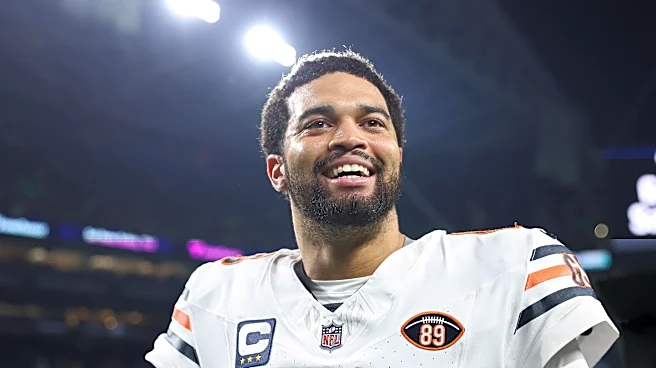
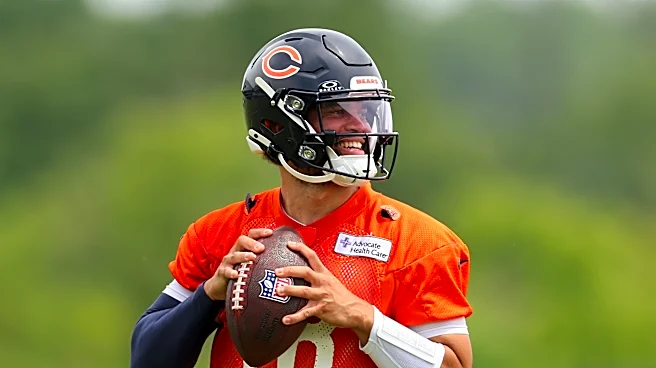
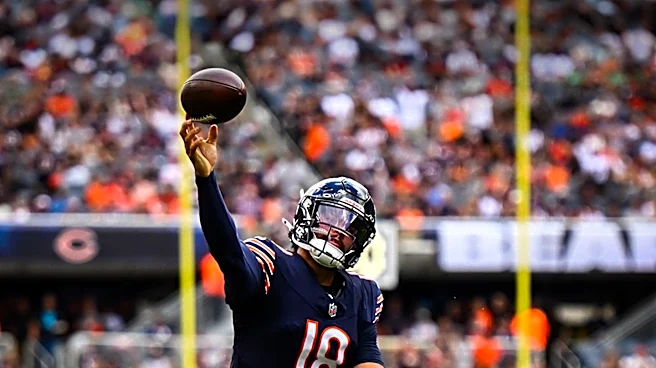
Caddix, a Baltimore-based footwear startup with four employees, has garnered significant national attention after Chicago Bears quarterback Caleb Williams began wearing its cleats. Williams, the No. 1 pick in the 2024 NFL draft, has been fined twice by
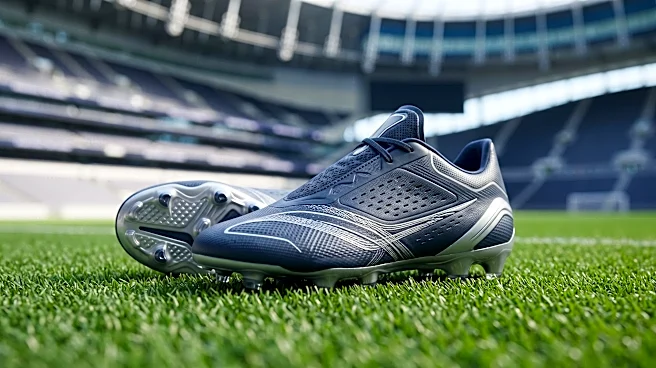
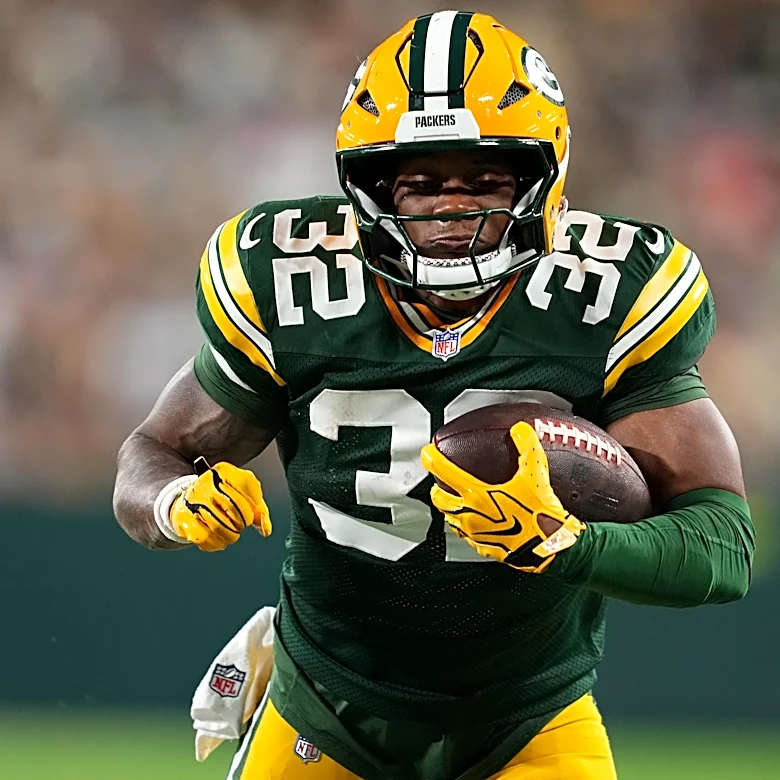
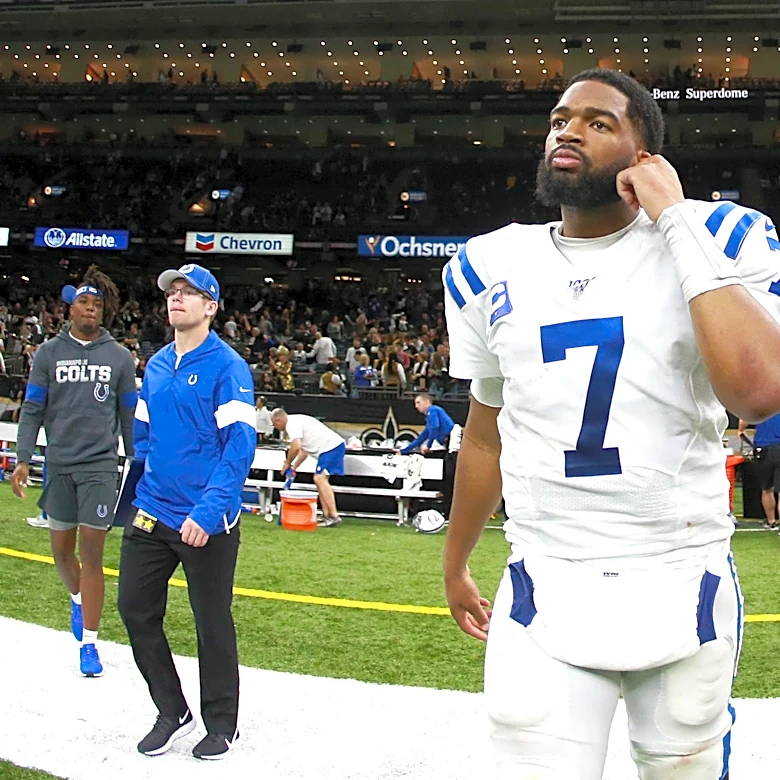
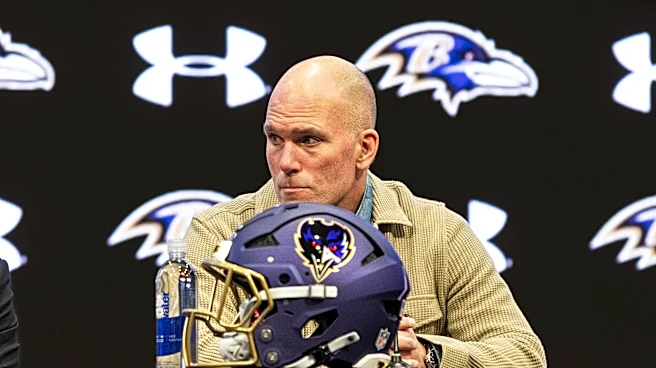
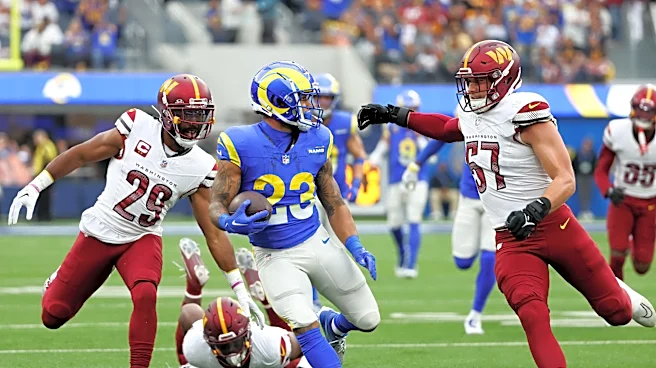
the NFL for displaying an unauthorized logo on his footwear, totaling over $35,000. The NFL's policy restricts players to cleats from Adidas, Nike, and Under Armour, requiring other brands' logos to be removed or covered. Caddix CEO Jack Rasmussen has offered to pay Williams' fines, and the company provided a blank pair of cleats for a recent game to avoid further penalties. More than 80 NFL players, including Cooper Kupp and Jalen Ramsey, are reportedly using Caddix cleats, which feature flexible studs designed to reduce strain on knees and ankles. Veteran quarterback Joe Flacco and former Baltimore Ravens tight ends Todd Heap and Dennis Pitta are investors in the company. Caddix, which has been selling cleats for 19 months and generated nearly $2 million in revenue last year, is currently seeking a funding round.
Why It's Important?
This development is significant for the U.S. sports footwear industry and small businesses. Caddix's unexpected exposure through high-profile NFL players like Caleb Williams provides millions of dollars in free advertising and conversation, a substantial boost for a small company. This organic endorsement, particularly from players who claim the cleats improve performance and reduce injury risk, challenges the dominance of established sports apparel giants like Nike, Adidas, and Under Armour. The situation highlights the power of athlete influence and product innovation in a highly competitive market. For players, the choice to wear unauthorized gear, despite fines, underscores a potential demand for specialized equipment that prioritizes player health and performance over brand exclusivity. This could lead to broader discussions within the NFL about footwear regulations and player choice, potentially opening avenues for smaller, innovative companies to gain official recognition and market share.
What's Next?
Caddix is actively working on a funding round to support its growth, potentially expanding its product line to include recovery or lifestyle shoes. The company's continued visibility in the NFL, especially if more players adopt their cleats, could force the league to re-evaluate its strict footwear policies. If the performance and injury-prevention claims associated with Caddix cleats gain wider acceptance among players and medical professionals, it could pressure the NFL to either approve more brands or relax its logo restrictions. This could create a more diverse and competitive market for athletic footwear. The ongoing fines against players like Caleb Williams will likely keep Caddix in the news, further amplifying its brand recognition. The success of Caddix could also inspire other small sports technology companies to innovate and challenge established industry norms.
Beyond the Headlines
The Caddix story touches on several deeper implications, including the tension between corporate sponsorship and individual athlete choice, and the ethical considerations of player well-being versus league revenue. The NFL's current policy, which prioritizes its official sponsors, faces scrutiny when players opt for alternative gear they believe offers a competitive or health advantage. This raises questions about whether leagues should adapt policies to accommodate player-driven innovation, especially when it pertains to injury prevention. Furthermore, the rapid rise of Caddix demonstrates the disruptive potential of grassroots marketing and product efficacy in an era dominated by massive advertising budgets. It highlights a cultural shift where authenticity and performance, championed by athletes themselves, can sometimes outweigh traditional marketing strategies, potentially influencing consumer behavior and industry standards across various sports.