



What's Happening?
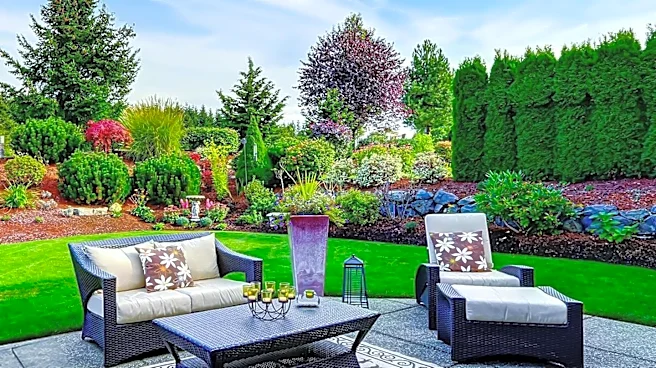
To effectively landscape a small backyard, a balanced design incorporating distinct sections and a central focal point is recommended. This approach can make the space appear larger. Key strategies include using items of similar size, shape, or color
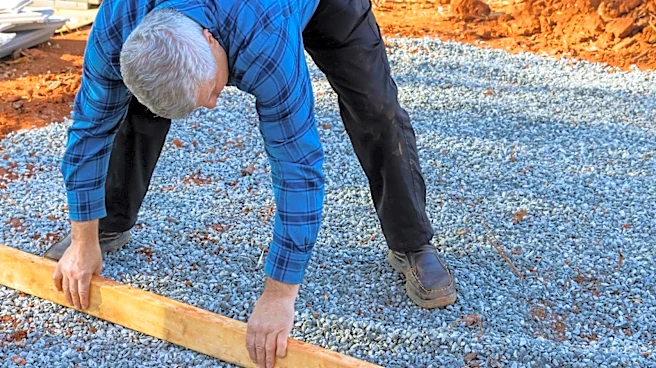
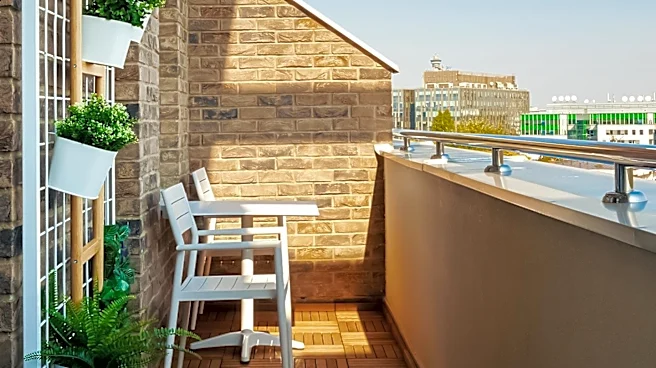
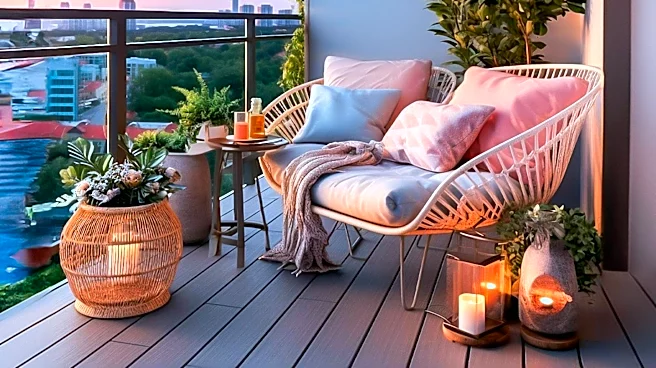
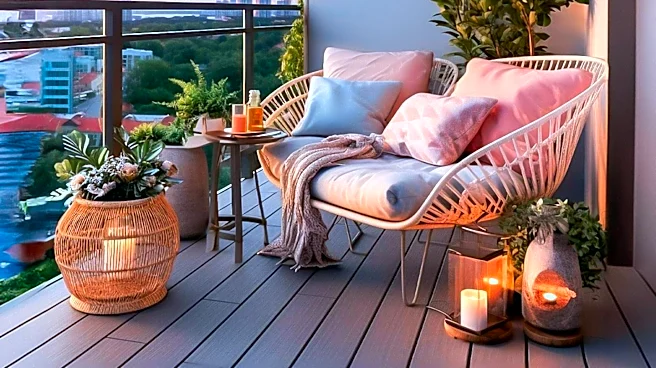
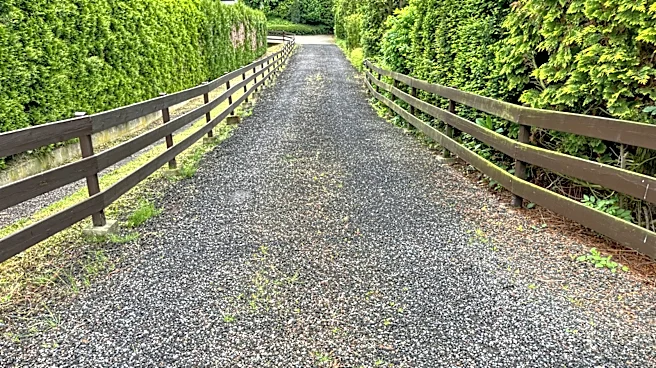
to create symmetry around a main feature like a fire pit or fountain. Simple, budget-friendly enhancements such as laying fresh mulch and installing string lights can also improve aesthetics. For a minimalist design, hardscaping elements like gravel or stone pavers are suggested, paired with a limited selection of one or two plant varieties. Utilizing vertical space through climbing plants, wall planters, and hanging baskets is crucial for maximizing limited ground area. Additionally, defining clear micro-zones with different ground covers or low hedges helps create a sense of journey and discovery, making the yard feel more expansive. Multi-functional furniture with hidden storage and outdoor mirrors can also contribute to a more organized and visually larger space.
Why It's Important?
The strategic landscaping of small backyards holds significant importance for homeowners, particularly in urban and suburban areas where space is often at a premium. By implementing thoughtful design principles, individuals can transform confined outdoor areas into functional and aesthetically pleasing extensions of their homes. This not only enhances property value but also improves quality of life by providing a tranquil retreat or an entertainment hub. Maximizing limited space through vertical gardening and multi-functional elements addresses the practical challenges of small yards, offering solutions for storage and diverse activities without clutter. The emphasis on low-maintenance options like hardscaping and native plants also contributes to sustainability by reducing water usage and upkeep, which can lead to long-term cost savings for homeowners. Furthermore, creating distinct zones and focal points can psychologically make a small space feel larger and more inviting, fostering a greater sense of well-being and enjoyment of the outdoor environment.
What's Next?
Homeowners looking to implement these small backyard landscaping ideas can begin by consulting with professional landscaping companies to develop a tailored design plan. These experts can provide guidance on layout recommendations, material suggestions, and plant selections suitable for specific climates and aesthetic preferences. The next steps would involve defining the primary function of the space, whether it's for relaxation, dining, or gardening, to ensure all design choices align with the homeowner's goals. Budget-conscious individuals can start with simple, impactful changes like adding mulch or string lights, gradually incorporating more significant elements such as fire pits, water features, or built-in seating. As the design progresses, attention to detail in plant selection, ensuring scale-appropriate native species, and the strategic placement of lighting will be crucial for achieving a cohesive and visually appealing outcome. The ongoing trend towards sustainable and low-maintenance landscaping will likely continue to drive demand for such specialized design services.
Beyond the Headlines
Beyond the immediate aesthetic and functional benefits, the thoughtful design of small backyards reflects a broader societal shift towards optimizing living spaces and embracing sustainable practices. In an increasingly urbanized world, the ability to create serene and functional outdoor areas, regardless of size, becomes a vital component of mental well-being and connection to nature. The emphasis on vertical gardening and multi-functional elements highlights an innovative approach to resourcefulness, encouraging homeowners to think creatively about space utilization. This trend also underscores a growing environmental consciousness, as the selection of native plants and low-maintenance hardscaping contributes to reduced water consumption and chemical use, aligning with broader ecological goals. The transformation of small backyards into personalized oases can foster a deeper appreciation for outdoor living and inspire a more mindful approach to home and garden design, influencing future architectural and urban planning trends that prioritize green spaces in compact environments.