




What's Happening?
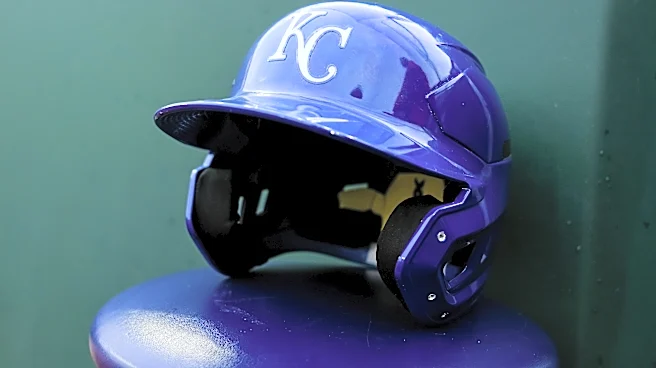
The Kansas City Royals are entering a crucial offseason following a regressive 2026 season, where the team failed to build on previous winning years. The organization faces significant challenges, including the need to bolster one of baseball's worst
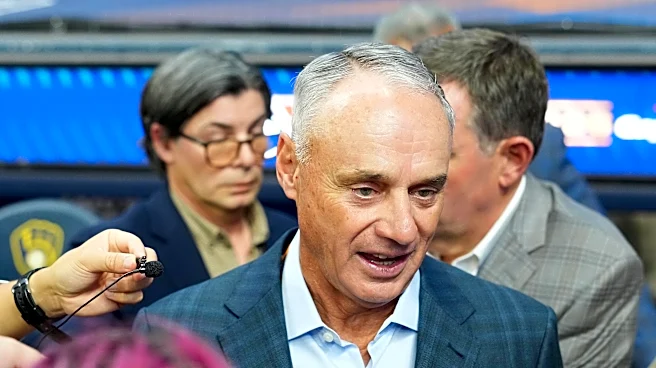
bullpens, enhance outfield production, and increase starting pitching depth to mitigate injury impacts. These strategic objectives are complicated by the impending expiration of Major League Baseball's Collective Bargaining Agreement (CBA) and the high probability of an owner-imposed lockout. This potential work stoppage, set to begin after December 1, would freeze all Major League transactions, halt communications between players and teams, and even lead to the removal of player images from team websites. Teams, including the Royals, must navigate this uncertain period without clear knowledge of baseball's future financial structure, as owners advocate for a salary cap and players push for different revenue redistribution models. The Royals' front office must decide whether to act swiftly before the lockout or wait for market shifts, which could either lower free agent prices or leave them with unaddressed roster gaps.
Why It's Important?
This offseason is pivotal for the Kansas City Royals as they aim to rebound from a disappointing season and build a competitive roster. The looming MLB lockout introduces significant uncertainty, potentially disrupting the team's ability to address critical needs in pitching and outfield. The outcome of the CBA negotiations will directly impact the Royals' financial flexibility and strategic planning. Owners' proposals for a salary cap and floor, along with pooled local TV revenues, could reshape the economic landscape for mid-market teams like the Royals. While these changes might offer more resources, it remains to be seen if ownership will leverage them to invest further in the roster. A prolonged lockout could create a buyer's market for short-term rentals, offering the Royals an opportunity to acquire talent at reduced prices without depleting their farm system. Conversely, a delayed resolution could compress the offseason, forcing rushed decisions and potentially leaving teams unprepared for the upcoming season. The Royals' ability to navigate these complexities will determine their competitiveness in the coming years.
What's Next?
The immediate future for the Kansas City Royals involves critical decisions regarding their offseason strategy before the anticipated December 1 lockout. The team must decide whether to aggressively pursue free agents and trades in November or adopt a more patient approach, waiting for the post-lockout market to stabilize. A flurry of transactions is expected across MLB in the coming weeks as teams attempt to finalize deals before the freeze. Once the lockout begins, all Major League transactions will cease, and interactions between teams and 40-man roster players will be restricted. However, minor league deals can still be signed, potentially allowing injured players to access team medical facilities. The duration of the lockout and the terms of the new CBA will dictate the subsequent pace of activity. Once an agreement is reached, a rapid period of free agent signings and trades is expected, with teams scrambling to complete their rosters. The Royals will need to be agile and potentially take calculated risks to capitalize on market opportunities that may arise from the work stoppage, especially if it leads to a buyer's market for certain players.
Beyond the Headlines
The impending MLB lockout and the Royals' offseason challenges highlight broader systemic issues within professional baseball, particularly concerning competitive balance and player compensation. The debate between owners advocating for a salary cap and players pushing for increased revenue sharing reflects fundamental disagreements over the distribution of wealth in the sport. For teams like the Royals, the outcome of these negotiations could significantly alter their long-term viability and ability to compete with larger market franchises. A new CBA that effectively addresses financial inequities could empower the Royals to invest more in their roster, fostering a more competitive league. Conversely, a system that continues to favor high-revenue teams could further entrench disparities. The lockout also underscores the human element of the business, as players face uncertainty about their contracts and careers, and team personnel navigate a disrupted operational environment. The strategic decisions made by the Royals' front office during this period will not only impact their immediate on-field performance but also serve as a test case for how smaller market teams adapt to evolving league economics and labor relations.